Bungee marketing still defaults to a narrow body type: young, standing unassisted, sprinting toward the camera after retrieval. Reality is wider. People with disabilities - mobility, sensory, neurological, chronic illness, limb difference - already jump, and more would if operators treated access as an engineering and communication problem rather than an awkward no.
First principle: adaptive freefall begins with honest medical and operational fit, not inspiration theatre. Reputable companies publish exclusions and “ask a doctor first” lists that commonly include uncontrolled heart disease, certain spinal conditions, pregnancy, and intoxication; some list neurological and musculoskeletal concerns among factors requiring caution or exclusion.[1][2][4] Regulations in some jurisdictions also place responsibility on jumpers to disclose conditions that could be adversely affected by bungee.[3] A disability is not automatically a ban - and a desire to jump is not automatically a green light. Clinician input and operator judgment both matter.
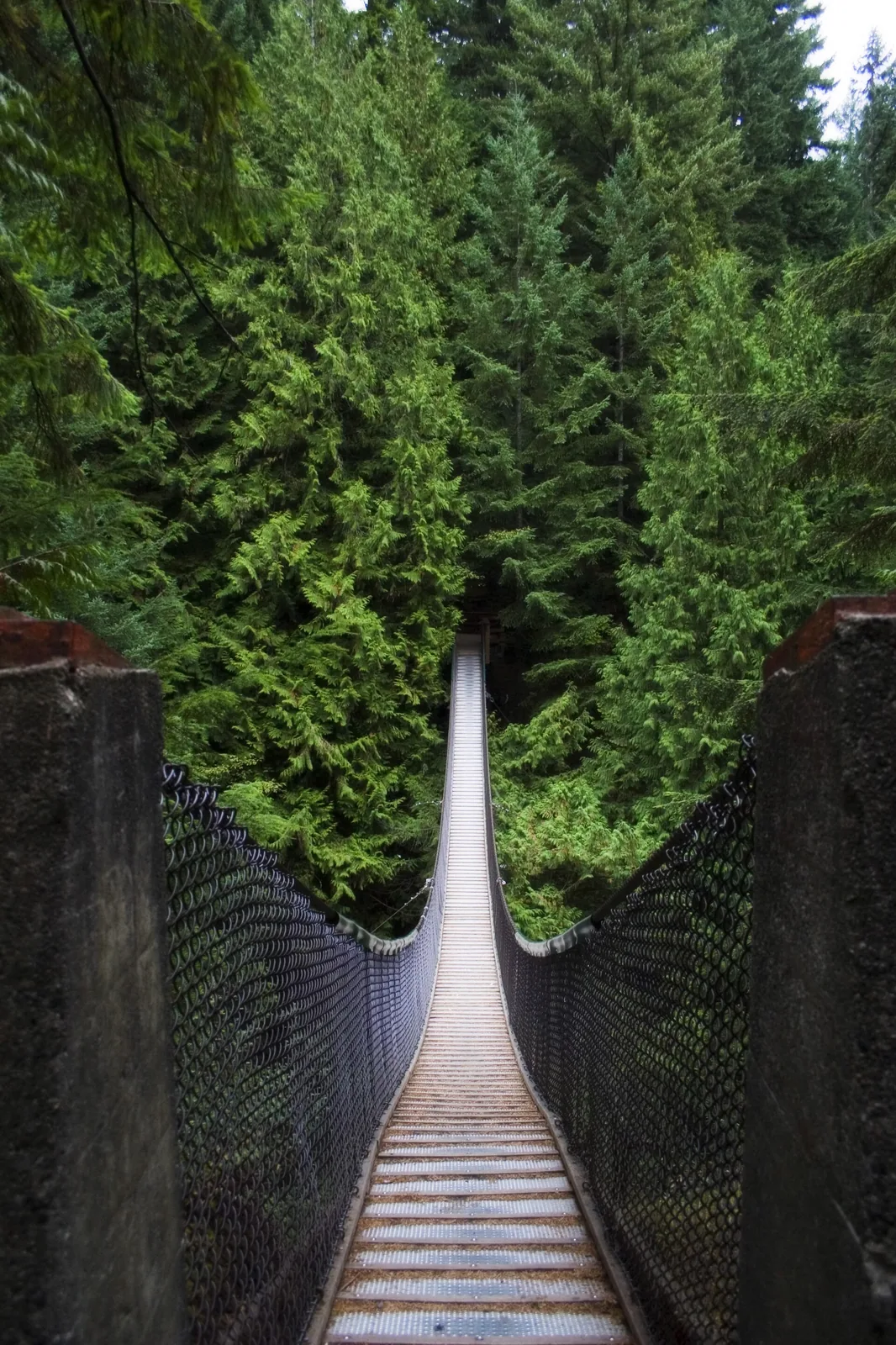
What can “adaptive” look like in practice? Extra briefing time. A quieter slot away from crowd noise for sensory-sensitive jumpers. Seated or supported positioning during harnessing. Modified communication (clear verbal cues, gesture counts, written sequences). Staff who ask how you transfer, how you prefer to be touched during checks, and what pain or spasticity might do under adrenaline. Some sites can accommodate prosthetic considerations or limb difference with alternative harness configurations - but only if you contact them days or weeks ahead, not at the platform rail.
Questions to email an operator before you book: Have you jumped guests with [specific situation] before? Who on the crew leads adaptive harnessing? What are hard limits for independent transfer or neck control? Can a support person access the deck? How do you handle intermediate weight distribution if a wheelchair user’s body mass distribution is atypical? Will you refund or reschedule if on-site assessment says no? The tone of the reply is data. Defensiveness is a red flag. Curiosity is a green one.
Stories matter because they rewrite who “belongs” in freefall, but stories should not pressure you past safety. The useful narrative is not “disabled person proves worth through extreme sport.” It is “skilled crew and prepared jumper solved a logistics puzzle and had a carefully managed adventure.” Celebrate competence on both sides of the harness.
If an operator cannot adapt safely, that is not a moral verdict on your courage. It may be the correct engineering answer. Look for adjacent thrills with stronger adaptive programs - adaptive skiing, sailing, climbing gyms with inclusive routes - and keep bungee as a maybe rather than a must. The adventure industry is still catching up; customer demand for dignified access is how it improves.
Bungee with a disability is possible in more cases than old stereotypes allow, and impossible in more cases than motivational posters admit. Live in the nuanced middle: prepare thoroughly, disclose fully, choose crews who listen, and define success as a safe, respectful day - whether that ends in freefall or a well-reasoned walk back down.
Allies and companions have a role that is easy to get wrong. Helpful support looks like carrying bags, confirming logistics, and defending the jumper’s dignity if strangers stare. Unhelpful support looks like speaking over the jumper during the briefing, posting inspiration videos without consent, or pressuring staff to override a safety no. The adaptive story belongs to the person in the harness. Everyone else is crew - including family who flew across a continent to watch.
Industry improvement will come from design, not charity campaigns alone. Better booking forms, staff training modules, transfer-friendly platform layouts, and clear public guidance about what can and cannot be adapted would open doors without false promises. Guests can accelerate that by writing precise feedback after good and bad experiences. Praise crews who got it right. Document barriers without blaming individual low-level staff who lacked training they should have received from management budgets and priorities.
Whatever the outcome of your assessment day, keep the definition of adventure wide. Adaptive travel is having a full life in motion, with or without a particular freefall. If the cord is available under safe conditions, enjoy it as a sport product. If it is not, you have not failed a test of worth. You have participated in a rigorous conversation about risk - and that conversation is itself a form of respect between human body and engineered system, which is rarer than people admit.
Sources
- UK Bungee - medical conditions guidance (2025)
- 007 Bungy - health prerequisites (2025)
- Massachusetts 520 CMR 5.13 - medical conditions & bungee (2024)
- Bungee Jump Scotland - health and safety (2025)
Image credits
- Photo: Dave Olson / Wikimedia Commons (CC BY-SA 2.0)
- Photo: Tim Hollosy / Wikimedia Commons (CC BY-SA 2.5)