Adventure tourism looks glamorous from a platform photo. Entry paths look less glamorous: seasonal work, internships that pay in housing and tips, volunteer roles that are free labor if you are not careful.
If you want in—guides, ops, retail, media, conservation-adjacent tourism—treat it like a job search with boots, not a gap-year brand.
What “entry” usually looks like
Most people do not start as a bungy jump master. They start in ticketing, driving, gear room, café, retail, social media, or as junior guides on lower-risk products. Jump-master tracks, where they exist, are company-specific training with medical fitness, height comfort, and a long observation period—not a weekend certificate you buy online.
Seasonal hiring is normal. Housing may be bunk-style. Pay can be modest with tips. That is the industry, not a personal insult.
Volunteer vs internship vs paid role
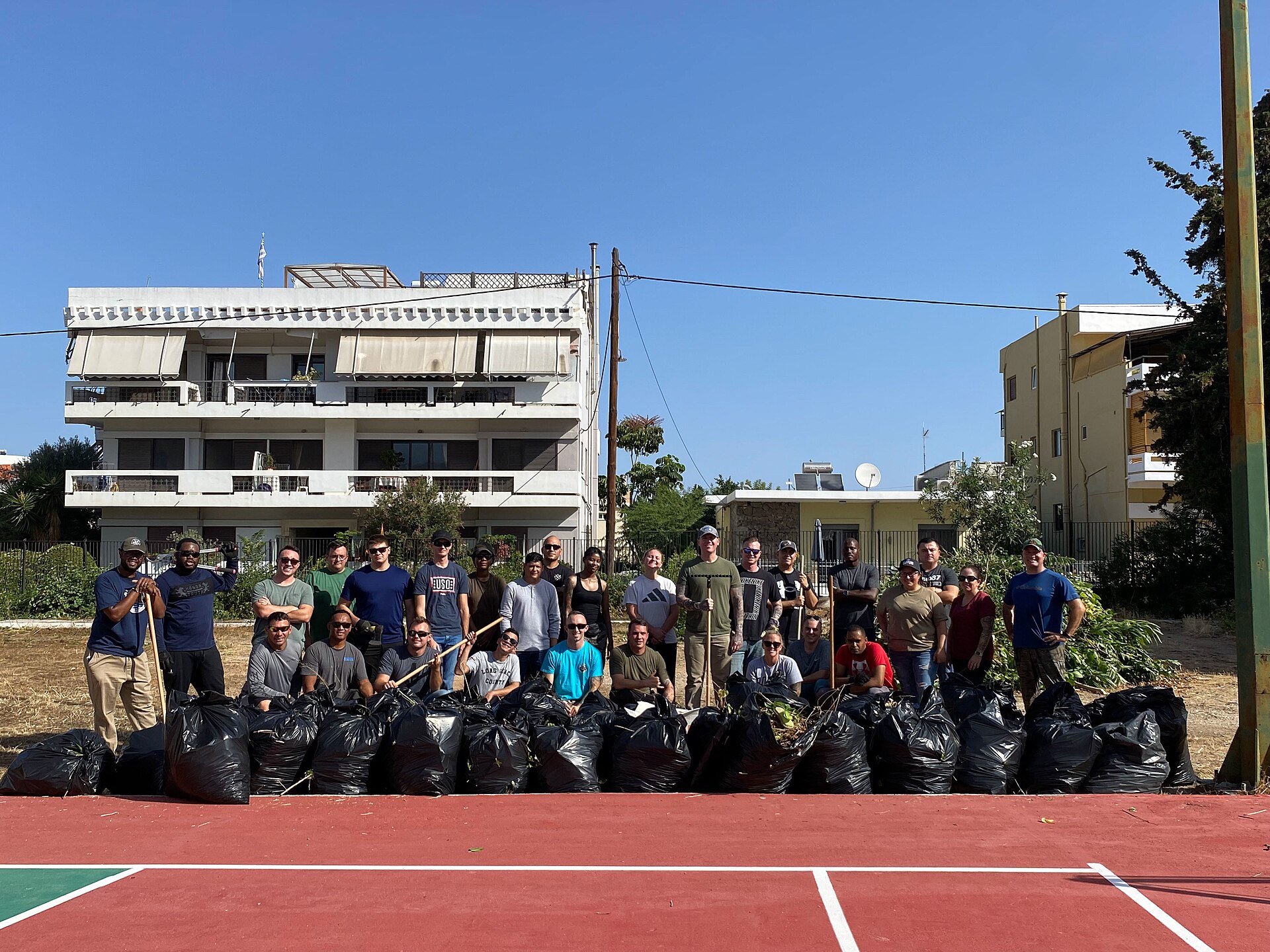
- Volunteer: fine for short conservation or community projects with clear hours and no "pay us for the privilege" fee farm. Bad if you are doing revenue work unpaid while someone else bills tourists.
- Internship: should have a supervisor, learning goals, and legal compliance in that country. Unpaid full-time ops labor dressed as "exposure" is a red flag.
- Paid seasonal: often the honest path. Check outdoor and adventure job boards that actually list field roles.[1][2]
The Adventure Travel Trade Association network is the industry side of the house—operators, lodges, tourism boards—more useful for understanding who hires than for a cold DM asking to "volunteer as CEO for a month."[3]
Skills that transfer onto a jump site
Customer service under stress. Clear radio or hand-signal habits. Gear discipline. Weather judgment. First aid. Language skills at international sites. Comfort saying no to guests who want to break rules.
Bungee-specific: harness fit, weight honesty culture, checklist discipline. Watch how a crew works before you romanticize the job. Related: day in the life of a jump master.
Red flags
- You pay large "training fees" with no written curriculum or employment path
- No insurance talk, no medical screening culture, no weather cancels
- Pressure to work illegal hours or skip rest on height sites
- "Influencer internship" that is unpaid content labor with no mentorship
Guide qualification and sustainability standards exist in the wider adventure sector for a reason—guests and staff both get hurt when cowboy ops cut corners.[4]
A practical sequence
Get first aid. Work one real outdoor season (camp, park, rafting, retail). Learn to be reliable on time and boring about gear. Then apply to adventure hubs with open eyes about cost of living. If bungy is the goal, start where that company actually hires juniors—not where Instagram looks prettiest.
Bottom line: treat adventure entry like seasonal skilled work. Prefer paid roles and real supervision. Unpaid platform labor is not a career plan.
Sources
- Outdoor Industry Jobs — outdoor / adventure job board
- Backdoorjobs — short-term adventure and outdoor work listings
- Adventure Travel Trade Association — industry network
- ATTA — International Adventure Travel Guide Qualification standard (context)
- AJ Hackett Bungy NZ — about commercial bungy operations culture
Image credits
- Photo: Government of Odisha / Wikimedia Commons (CC BY 4.0)
- Photo: U.S. Navy photo by Petty Officer 2nd Class Delaney Jensen / Wikimedia Commons (Public domain)