Mainland Chinese megacities trained a generation to stand high and look down. Observation decks, glass skywalks, and tower tourism make altitude entertainment long before anyone books a cord.
Urban adventure grows from that habit. It is not the same as bungy. Keep the categories straight.
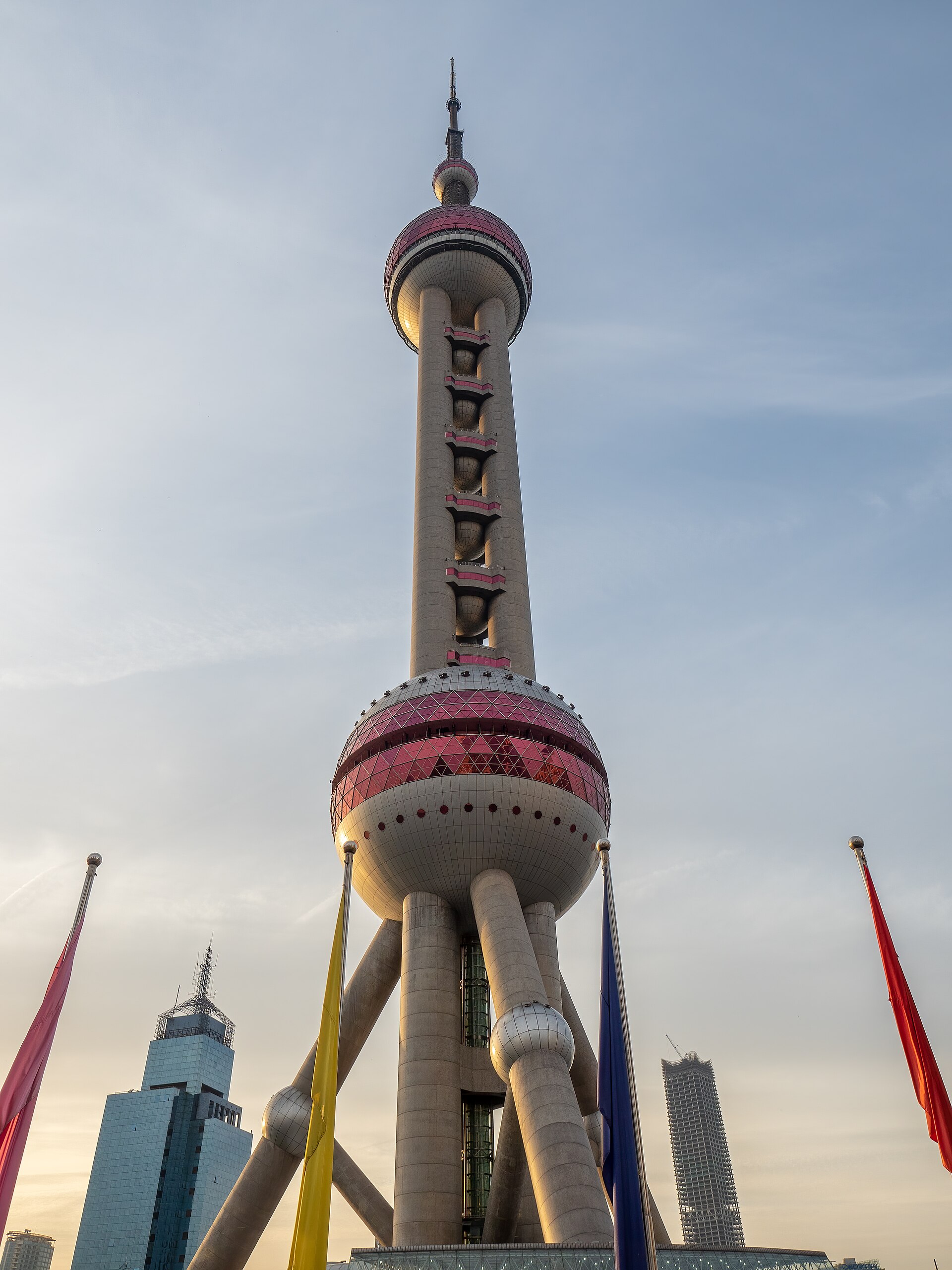
Observation culture is not freefall training—but it helps
Glass floors teach wind noise, crowd behavior, and how small traffic looks from height. Useful if urban freefall is your goal. Useless if you confuse a railing with a harness system.
If you use decks deliberately: stand near the edge longer each visit, notice what spikes fear, practice a longer exhale. Still book a real commercial freefall product if that is what you want.
The regional freefall flagship: Macau Tower
Macau is a Special Administrative Region with its own entry rules—not "just another mainland city deck." Skypark's 233 m building bungy is the serious commercial freefall product in the wider Chinese-language tourism sphere: published weight limits, weather holds, guide-cable system.[1]
Travelers often stack Shanghai or Guangzhou tower tourism with a Macau jump day. Treat immigration time as real. Detail: Macau Tower bungy.
What "urban adventure" menus include
Skywalks, edge walks, drop-tower style rides, and occasional swing or bungy products. Theme-park drops are not bungy. Glass walks are not freefall. Where commercial bungy or swing does operate on the mainland, demand the same transparency you would anywhere: medical list, weight band, what cancels for weather, who inspects gear.[2]
Bottom line: mainland decks normalize height; Macau Tower is the freefall product most travelers actually mean when they want urban bungy in the region. Do not confuse observation tickets with a jump booking.
Sources
- Skypark Macau Tower bungy
- Skypark by AJ Hackett
- AJ Hackett International
- AJ Hackett Kawarau (process comparison)
Image credits
- Photo: Dmitry A. Mottl / Wikimedia Commons (CC BY-SA 4.0)
- Photo: Ermell / Wikimedia Commons (CC BY-SA 4.0)