Scandinavia's vertical drama is geological first: deep fjords, late snow, long summer light. Crowds crush a few cruise viewpoints. Travelers who plan laterally still get height and space—if they respect season and distance.
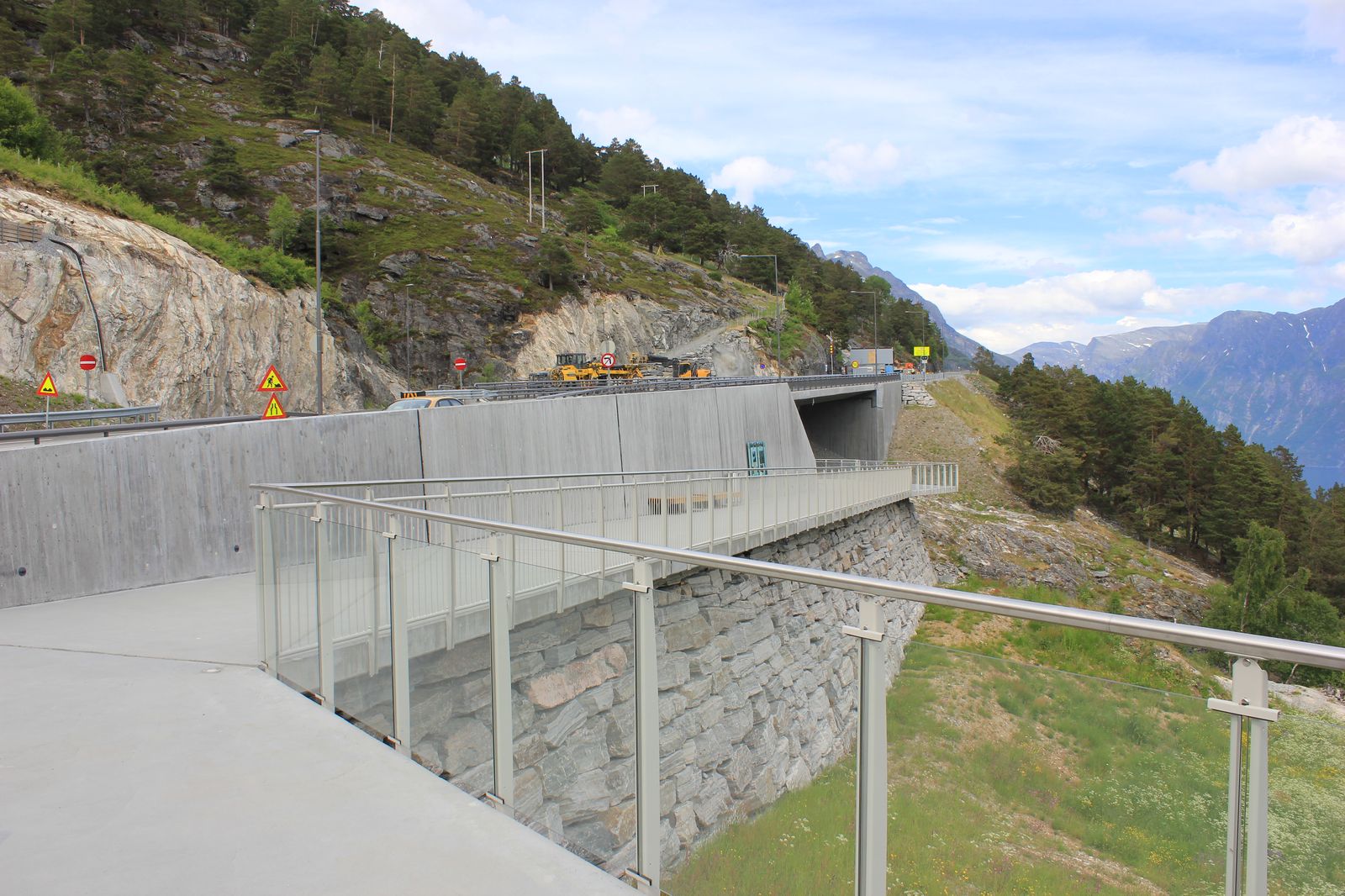
What vertical tourism means in fjord country
Visit Norway groups bungee with canyoning and caving as hardcore options and spends more ink on rafting, ziplines, via ferrata, and climbing parks. Voss gets the "adrenaline capital" nickname for a reason—multi-sport more than a single permanent mega-bungy brand campus.[1]
Commercial freefall products exist in pockets and seasons. Status changes. You verify the operator for the week you travel. Quiet is a feature; sparse product menus are the tradeoff.
Season, light, and the long approach
- Summer is the practical window for many outdoor operators and human ferry/road combinations.
- "Nearby" can mean a scenic half-day transfer. Budget time like a local.
- Weather cancels with authority. Pack a non-height day you would still enjoy: coastal walk, museum, sauna, slow train.
- Midnight light wrecks sleep if you ignore blackout habits—tired jumpers are worse jumpers.
If you need guaranteed high freefall
Many Scandinavia trips stay multi-sport and soft-extreme. Travelers who specifically need published 100 m+ commercial bungy often plan a separate stop in the Alps (Europabrücke 192 m, Verzasca context) or classic global sites rather than inventing a Norwegian Bloukrans clone.[2][3]
Bottom line: Scandinavia rewards planned height and space, not last-minute freefall shopping. Use official tourism adrenaline pages for the activity mix, then confirm each freefall operator for your dates. Distances and weather are the real bosses.
Sources
- Visit Norway: adrenaline experiences (incl. bungee mention)
- Europabrücke bungy (high freefall alternative)
- Switzerland Tourism: Verzasca Dam
- Visit Sweden (outdoor trip planning)
Image credits
- Photo: Sundgot / Wikimedia Commons (CC BY-SA 4.0)
- Photo: Sundgot / Wikimedia Commons (CC BY-SA 4.0)