You don't need elite-athlete fitness to bungee jump. You need to fit the operator's weight band, pass their medical screen, and follow simple instructions while scared.
People still train for freefall like a triathlon. Other people assume you must be a gymnast. Neither matches how commercial sites actually clear jumpers.[1][2]
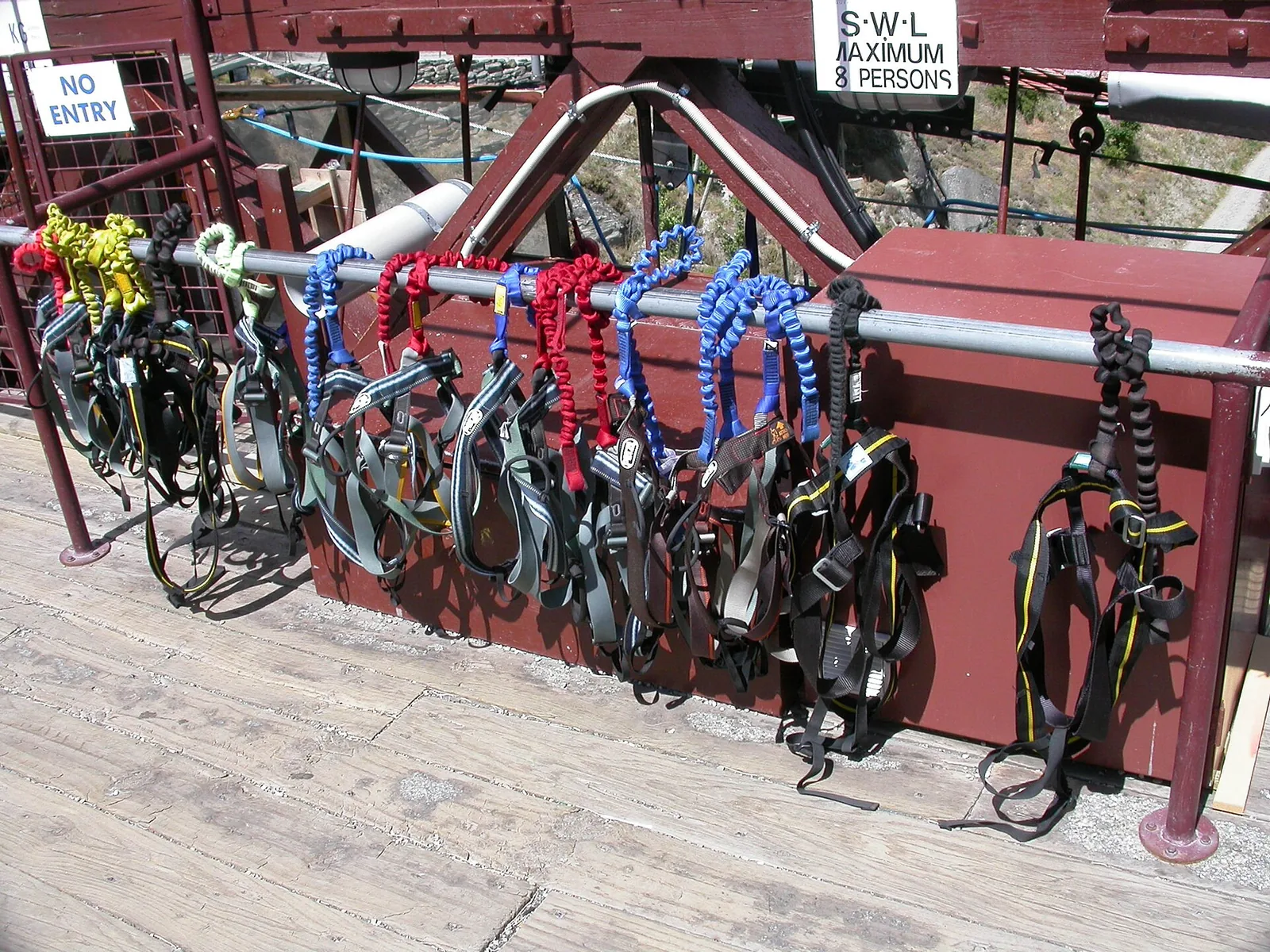
What operators actually check
Weight first. Cord selection and stretch math depend on mass. Published examples from major NZ sites: Kawarau solo roughly 35 kg min / 150 kg max; Nevis bungy about 45–127 kg. Other products sit in different bands. You will be weighed on site. Lying on a form helps no one.[1]
Medical next. Pregnancy is commonly a hard no. High blood pressure, heart conditions, epilepsy, recent fractures, neurological issues, fragile skin, diabetes, asthma, prosthetics, recent surgery — tell staff. Some conditions need a doctor's letter; some mean you do not jump that day.[2][3][4]
Age minima vary by product. Upper age is rarely a magic number; health and the same screens matter more. If you are unsure, email the operator your situation before you book flights.
Fitness myths worth killing
Myth: strong legs stick the landing. Staff manage the line. You hang. You get retrieved. Basic ability to stand, walk, sit, and kneel for harnessing matters more than squat PRs.
Myth: cardio deletes fear. Elite athletes still shake on the plank. Aerobic fitness helps general health. It does not switch off the stress response.[5]
Myth: more muscle makes you safer. Bulk only matters when it changes weight or harness fit. Max bench does not help on a bungy deck.
Myth: older automatically means unqualified. Many sites welcome older adults who pass the same medical and weight rules. "Over 65, bring a doctor's note" shows up at some places — check yours.[4]
What "fit enough" looks like on the day
Walk the site without needing help. Sit and stand on cue. Keep your head clear enough to hear the brief. No alcohol, no drugs — operators refuse intoxicated jumpers for good reasons.[3]
If a bad knee, bad back, or recent concussion is in play, do not DIY the risk call. Get medical advice, then ask the operator in writing. Harness straps and freefall loads are not gentle.
Bottom line: fitness for bungee is mostly weight, medical honesty, and following instructions under stress. Train if you want. Don't pretend a 5K time replaces a clean screen.
Sources
- AJ Hackett Bungy NZ: FAQs (weight ranges by product)
- AJ Hackett: Nevis Bungy weight and medical notes
- AJ Hackett Bungy NZ: safety and medical considerations
- UK Bungee: health and age restrictions
- Harvard Health: understanding the stress response
Image credits
- Hero image: site asset for bungee-jumping-fitness-requirements
- Photo: sussexbirder / Wikimedia Commons (CC BY 2.0)