Dehydration will not make you braver on a high platform. It will make you foggy, headachey, and shorter-tempered in the queue — which makes fear louder.
Most commercial bungee sites are not extreme high-altitude mountaineering. Some are still dry, windy, hot, or in mountain towns where you flew in yesterday. Treat water like part of prep, not an afterthought.[3][4]
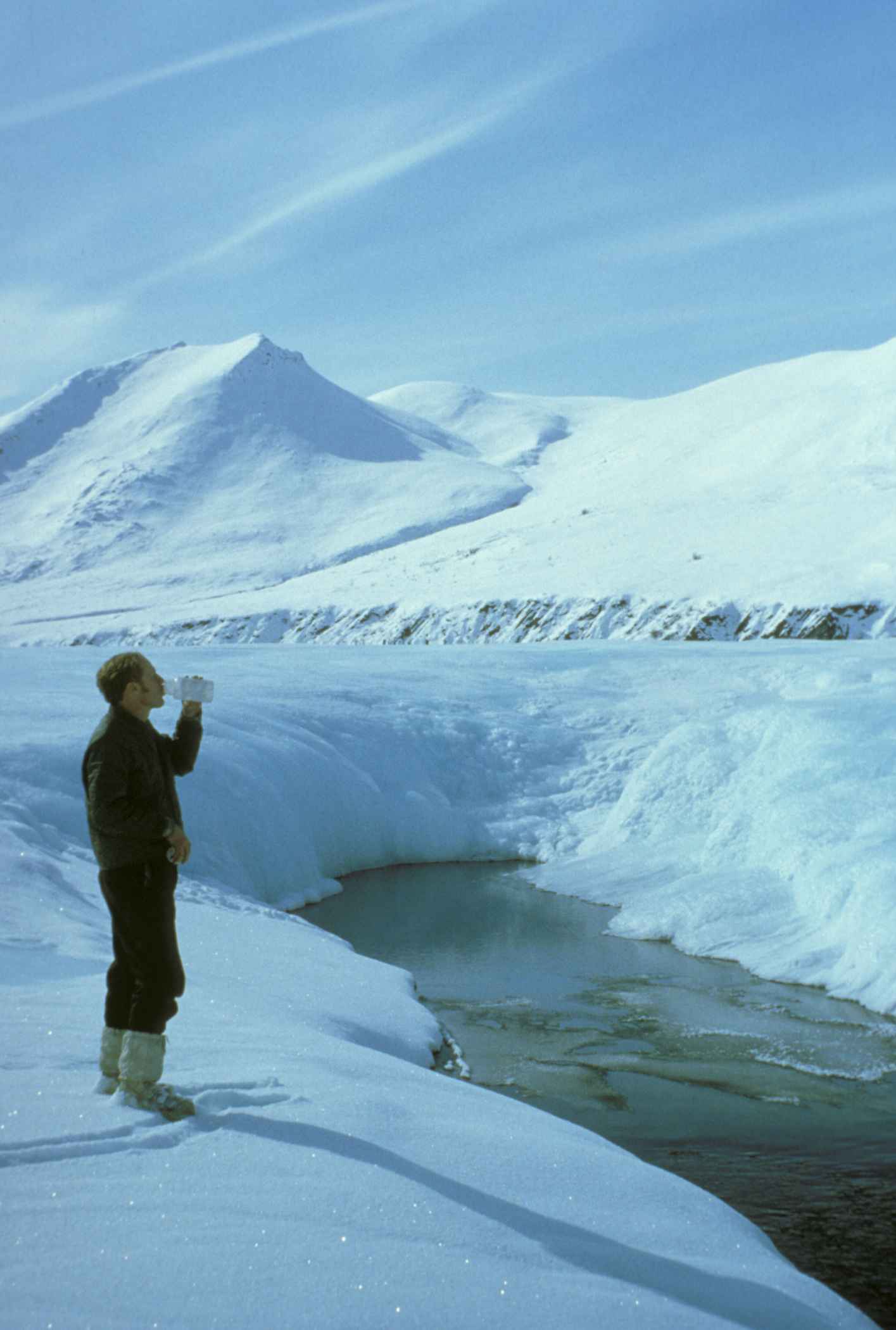
Hydration that is boring and useful
Start the day before. Pale-ish urine, not clear-as-glass from overdoing it in one hour. Sip through the morning. Do not down a huge bottle in the last ten minutes before harnessing — you will either feel sloshy or invent a toilet emergency.
Wind on bridges and towers increases fluid loss you do not notice. Heat and alcohol the night before make it worse. Coffee counts as fluid for most people, but it is not a full water replacement if you also slept badly.[4]
When altitude actually matters
Altitude illness risk rises as you sleep and spend time much higher — CDC guidance flags elevations around 8,000 feet (about 2,450 m) and above as the zone where planning matters. Flying from sea level to a high town and stacking hard activity the same day is a classic way to feel awful.[1][2]
Tips that travel medicine repeats for a reason: ascend gradually when you can; avoid heavy exercise and alcohol for the first day or two at high elevation; do not treat “I am fit” as immunity.[1][2]
A high urban tower (for example commercial tower products) is a height product, not the same physiology as sleeping at 3,000 m. Still: wind, cold, queues, and nerves apply.[5]
Symptoms that mean slow down
Headache, unusual fatigue, dizziness, nausea, shortness of breath at rest that is not just nerves — do not white-knuckle a jump to save a booking. Tell staff. Delay or reschedule. Mild altitude symptoms are not the same as “ready for freefall.”
If you feel truly unwell, that is a medical day, not a content day.
Practical kit for platform days
- Water bottle you can actually use in the car and queue
- Light snack if the slot slips
- Layers for wind (high decks are colder than the parking lot)[4]
- Sunscreen and a hat for the wait
Bottom line: sip water starting the day before, respect mountain arrival if you flew high fast, and do not jump through dizziness to protect a ticket. Feeling good enough to follow the brief beats a heroic thirst story.
Sources
- CDC: travel to high altitudes
- CDC Yellow Book: high-altitude travel and altitude illness
- AJ Hackett Bungy NZ: FAQs (weather ops, readiness)
- AJ Hackett Bungy NZ: winter comfort and layering tips
- Skypark Macau: high commercial tower bungy context
Image credits
- Photo: Jason Hollinger / Wikimedia Commons (CC BY 2.0)
- Photo: U.S. Fish and Wildlife Service / Wikimedia Commons (Public domain)