"First thing when I’m home" jumps sound clean in a group chat. Real leave is short, jet-lagged, and full of family logistics. A bungee can be a great marker. It can also be a forced performance if you plan it badly.
No invented war-hero diary here—just planning that respects leave time and safety rules.
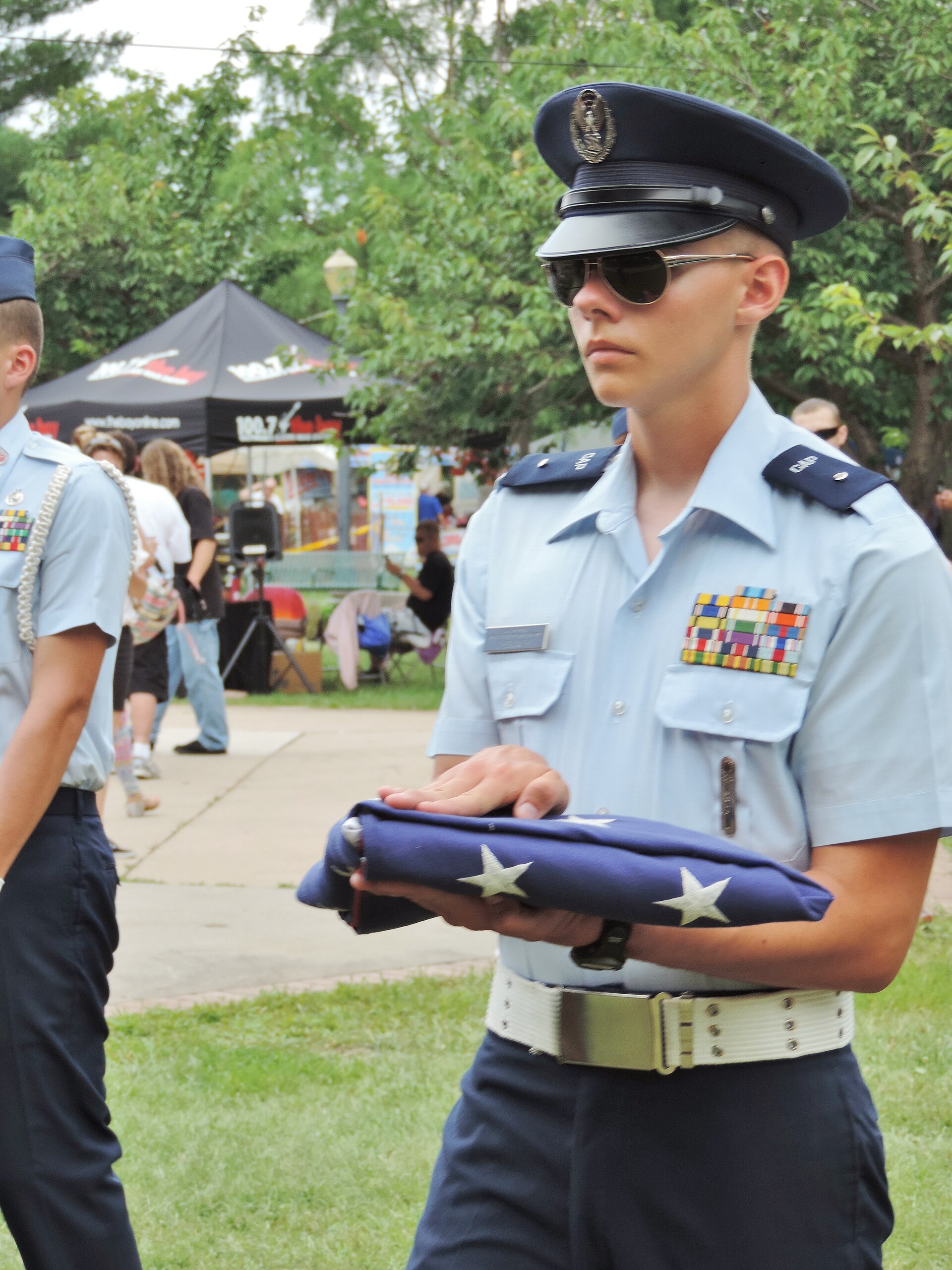
Timing on short leave
Do not put the jump in the first six foggy hours after a long haul if you can help it. Sleep, eat normal food, hydrate, then adventure. Weather and operator cancel windows still apply—build a buffer day if the jump is the emotional centerpiece.[1]
Book a reputable site near where you will already be. Crossing the country for a 10-second freefall on a 96-hour leave is a choice; own the travel cost.
Medical and body honesty
Recent injuries, meds, concussion history, surgery timelines—tell the operator. Weight limits are real product rules, not suggestions.[2][3] "I am fine" to protect a surprise party is how people get hurt.
If you are still in a recovery window your clinician would hate, skip the cord. Do a dinner. The bridge will still be there on the next leave.
Group pressure is the main failure mode
Homecoming energy can turn into a dare. Same rules as any first jump: small audience, no alcohol for the jumper, permission to stop before commitment.[4]
If the jump is a gift, make sure the recipient actually wants it. Surprise medical exclusions are an awkward party trick.
A clean plan
- Confirm operator, weight band, and cancel policy before buying nonrefundable travel add-ons
- One calm friend, not a parade on the lip
- Photo package optional—ask before forcing cameras
- Backup activity if weather kills the day
Mental prep still applies: how to prepare.
Bottom line: homecoming jumps work when leave logistics, medical honesty, and consent come first. Celebration second. Dare culture never.
Sources
- AJ Hackett Bungy NZ — FAQs (cancel windows, process)
- AJ Hackett Bungy NZ — product weight rules example (Kawarau)
- AJ Hackett Bungy NZ — Is bungy jumping safe?
- Harvard Health — Understanding the stress response
Image credits
- Photo: U.S. Navy / Wikimedia Commons (Public domain)
- Photo: David Robert Crews / Wikimedia Commons (CC BY-SA 2.0)