Every commercial bungee jump has a human center of gravity on the platform: the jump master (titles vary - jump operator, site leader, senior instructor). They are not there only to cheer. They verify connections, read jumper psychology, control timing, and hold the authority to stop a jump when something is off. Their voice is a safety control surface.[1]
Technical duties include confirming jumper identity and weight band, selecting or approving the cord system, checking harness routes, redundant clips, and platform readiness, and coordinating with retrieval teams. In mature operations influenced by commercial pioneers such as AJ Hackett’s model, roles and call-outs are standardized so that any trained staff member can predict the sequence.[2]
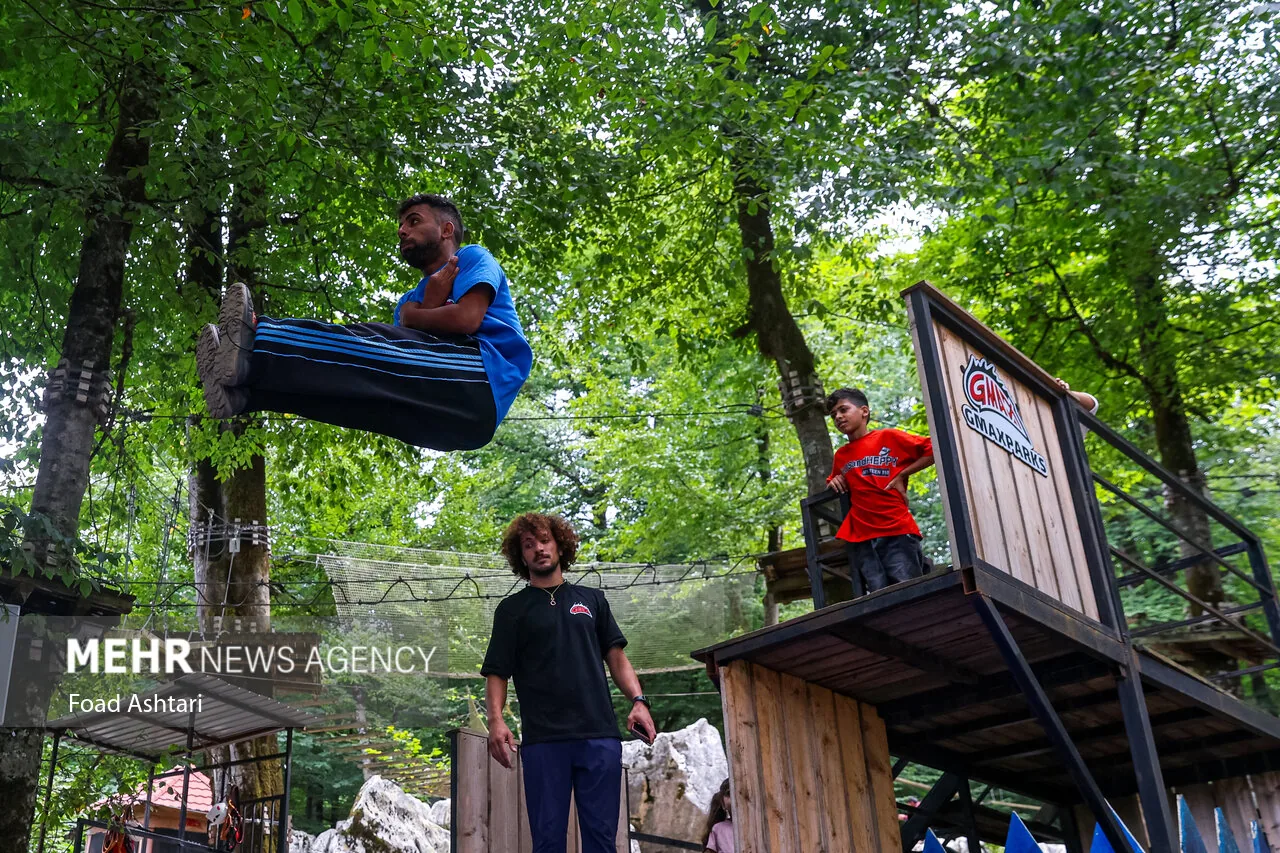
Communication duties are why the voice matters. Under stress, working memory shrinks. Clear, short commands - “look ahead,” “arms out,” “3-2-1 jump” - beat long speeches at the edge. Tone calibrates arousal: too much hype can push a panicked person into a bad exit; too flat can leave them frozen. Great jump masters adjust without mockery. They normalize fear and still hold a boundary: if you are not safe to jump, you do not jump.
Veto power is non-negotiable in healthy culture. Wind shift mid-queue, harness doubt, medical disclosure at the last second, or a jumper who is intoxicated - any of these should abort the leap. Customers sometimes pressure staff because they flew across the world for this moment. A jump master’s job includes absorbing that disappointment rather than absorbing a preventable incident. Media coverage of adventure accidents often circles back to ignored stop conditions; the lesson is cultural as much as mechanical.[3]
Psychology on the platform is a skill. Some jumpers need quiet. Some need jokes. Some need a hand on the shoulder and a factual reminder of the backup system. The jump master reads micro-signals: hyperventilation, joking too hard, sudden silence, arguments with friends egging them on. Peer pressure is a hazard; good staff interrupt it.
For jumpers, the practical advice is simple: pick an operator whose staff sound professional in reviews; on the day, listen more than you perform; answer weight and medical questions honestly; and treat “no” as expertise, not insult. If you cannot understand the jump master’s language, ask for a briefing in a language you do - or reschedule. Misheard commands are avoidable risk.
After the jump, the same voice may coach breathing as you hang and laugh. That continuity - from edge to rebound - keeps the experience held. You are not alone in the void; you are on a team channel.
The jump master’s voice matters because bungee is a human system wearing rubber and steel. Trust the person who would rather lose a sale than lose control of the sequence. Then, when they count you down, let their cadence carry you off the edge.
Team choreography surrounds the jump master. Someone may handle harnessing while another manages the gate, another the camera, another the retrieval radio. The jump master’s voice is often the final integration point - the person who will not start the count until each role reports ready. If you notice overlapping chatter or unclear ownership on a platform, that is useful data about culture.
Language and accent clarity become safety equipment in tourist zones. Multilingual briefings, hand signals, or translated cards help when guests freeze mid-English countdown. If you do not fully understand, say so before you are on the edge. Embarrassment is cheaper than a confused exit. Good masters would rather re-brief than re-rescue.
Emotional labor is real and underpaid in many adventure jobs. Masters absorb terror, bravado, tears, marriage-proposal gimmicks, and influencer demands. Respect their attention by being ready when called, following gear rules, and not surprising them with last-second stunts. The platform is a workplace first.
Training pathways into the role usually combine technical drills with supervised live jumps and scenario practice. Charisma alone is insufficient; quiet competence beats loud hype. When you remember a jump years later, you may not recall the joke they told - but you will remember whether you felt held by their certainty.
Honor the voice that counted you down by listening to the same voice if it says stop. The jump master is the human embodiment of the idea that bungee is optional freefall under professional control. Their words are part of the harness. Treat them that way, and the edge becomes a place of trust rather than chaos.
Sources
- Wikipedia - Bungee jumping (2024)
- AJ Hackett (2024)
- The Guardian (2024)
Image credits
- Photo: Steve & Jem Copley / Wikimedia Commons (CC BY-SA 2.0)
- Photo: Fouad Ashtari / Wikimedia Commons (CC BY 4.0)