It is a seductive idea: if you are afraid of heights, force the ultimate height experience and “break” the fear in one heroic afternoon. That story makes terrible clinical sense. Exposure therapy for acrophobia is real, effective, and structured. A commercial bungee jump is a recreational product. Confusing them can worsen fear or simply waste money and trust in yourself.[1][2]
What clinical exposure actually does
Exposure therapy helps people gradually face feared situations in a planned way so the brain learns that predicted catastrophes do not arrive, and that anxiety peaks and falls. For heights, that might mean a hierarchy: looking at photos, standing near a sturdy second-floor railing, climbing open stairs, walking a wide bridge, then narrower viewpoints - repeated, measurable, and ideally supported by a trained clinician.[2][4]
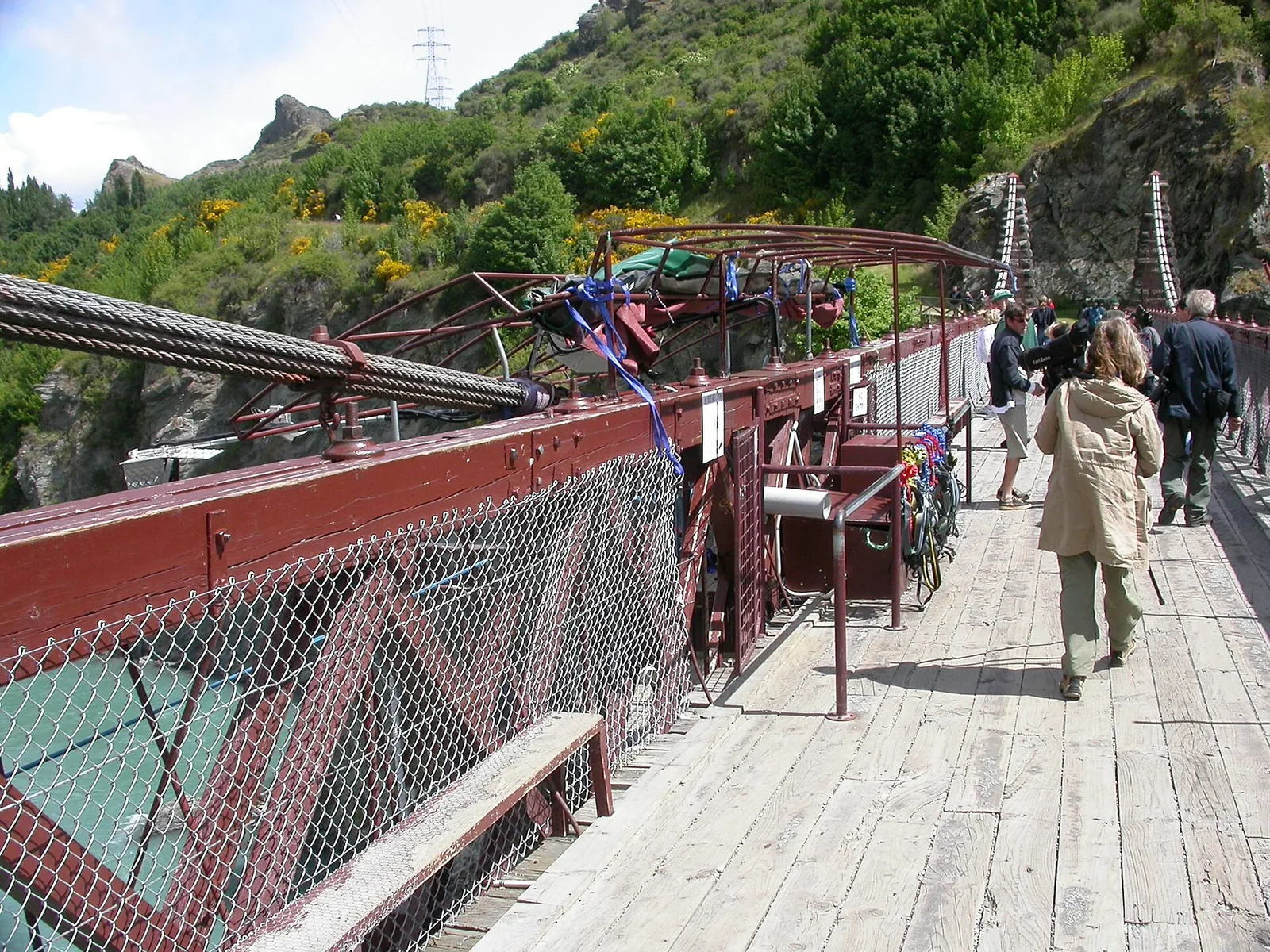
Virtual reality exposure has a substantial research footprint for acrophobia, partly because therapists can titrate height and context without booking a canyon.[1][3] The point is control, repetition, and learning - not maximum terror.
Where bungee fails as DIY therapy
Bungee is brief, extreme, and hard to grade. You cannot easily do “10% bungy” three times a week. If you panic on the platform and descend, you may strengthen the belief that escape is the only safety behavior. If you jump while dissociated, you may not encode a clean mastery memory. If friends cheer while you feel coerced, social safety and body safety collide.
Flooding - massive exposure all at once - is not the first-line modern approach most people should self-administer on a tourist bridge. Even when flooding is discussed in clinical history, it is not the same as an unsupervised leap with a GoPro and a countdown.[2]
When a jump might sit near a treatment plan
Occasionally, someone later in therapy chooses a bungy experience as a celebratory “graduation” challenge after months of graded work - with clinician input, optional framing, and no career or relationship consequences for declining. That is different from using bungy as session one.
If heights significantly limit your life, look for evidence-based care for specific phobia rather than an adventure voucher. Ask about CBT with exposure, therapist-guided VR, and how progress will be measured.[1][4]
Bungee jumping can be meaningful after fear shrinks. It is a poor substitute for the slow, skillful work of teaching your nervous system that height and doom are not synonyms.
Building a real heights hierarchy (and where thrills fit later)
A practical hierarchy might start with watching steady first-person bridge videos, then standing on a second-floor interior atrium, then an outdoor staircase with solid rails, then a wide pedestrian overpass, then a glass platform with a support person, then optional adventure products only after those steps feel boring in the best way. Each step is repeated until anxiety drops within the session without pure white-knuckle endurance.
Track data: peak fear 0 - 10, what you predicted would happen, what happened, and whether you used safety behaviors like death-gripping rails or refusing to look. The learning is in disconfirming predictions, not in collecting adrenaline badges. Therapists help spot subtle avoidance that masquerades as “I’m fine if I just don’t look down.”
Medication questions sometimes arise. Temporary anxiety relief can help some people engage exposure, but that is a medical decision, not a tip from a travel blog. Likewise, virtual reality tools are adjuncts with evidence in acrophobia care - still best nested in a plan, not bought as a one-off gadget cure.
If you eventually book bungee as a values-based celebration, keep the framing clean: this is optional, this is not a test of whether therapy “worked,” and declining on the day is allowed. Tell the operator you prefer calm coaching. Bring the support person who knows your hierarchy language.
Using bungee as exposure therapy is usually a category error. Using exposure therapy so that heights no longer own your choices - and then maybe jumping because you want to - is a coherent life. Choose the coherent path if fear of heights is genuinely limiting you.
Whatever path you choose after reading a guide like this, keep the hierarchy of values straight: safety procedures, honest consent, and recovery time always outrank content, peer applause, and sunk-cost pride. BungeeFinder’s bias is simple - we want you to jump when it is right, walk away when it is not, and keep enough clarity afterward to tell the story without rewriting the fear into something it was not.
If you take one habit from the professionals who run platforms day after day, take their love of checklists. Check the operator, check your body, check your motives, check your gear rules, and check that the people with you will respect a last-minute no. That checklist is how extraordinary minutes stay good stories instead of cautionary ones.
Sources
- Cleveland Clinic - acrophobia (fear of heights) treatment (2021)
- Cleveland Clinic - exposure therapy overview (2023)
- Coelho et al. context - VR and acrophobia research summary via ScienceDirect record (2009)
- Psychology Tools - exposures for fear of heights (clinical education resource) (2024)
Image credits
- Photo: Jocelyn Kinghorn / Wikimedia Commons (CC BY-SA 2.0)
- Photo: sussexbirder / Wikimedia Commons (CC BY 2.0)