Every extreme sport collects urban legends. Bungee jumping collects them with special enthusiasm because freefall is easy to imagine and hard to measure from a sofa. The result is a cloud of half-true stories that either terrify people unnecessarily or, worse, make them careless. Myth-busting is not cheerleading. It is about putting fear and caution in the right places.[1]
Myth 1: “Bungee cords snap all the time”
Catastrophic cord failure is rare when professional operators use rated equipment, redundant systems, and retirement schedules. Serious incidents more often involve human factors - wrong cord for body weight, incomplete attachment checks, or poor site design - than Hollywood-style midair explosions of elastic.[1] That does not mean risk is zero. It means your first filter should be operator reputation and process, not a viral clip of a fringe setup.
Myth 2: “You always black out”
Most jumpers do not lose consciousness. You may feel tunnel vision, ringing ears, or a surreal time warp as adrenaline floods the system, but blackout is not the default ending of a commercial jump.[4] If you have a history of fainting, uncontrolled blood-pressure issues, or neurological conditions, disclose them; operators screen for reasons, not for drama.[2]
Myth 3: “Height is the only thing that matters”
Macau’s roughly 233-meter commercial building bungy is a legitimate engineering spectacle, and bridge jumps at classic sites sell a different kind of drama over water and rock.[3] Yet a shorter jump with excellent crew culture can be safer and more satisfying than a taller one with sloppy briefings. Height is a product feature. Safety is a system.
Myth 4: “Anyone who wants to can jump”
No. Weight limits, medical exclusions, age rules, and intoxication policies exist for physics and liability reasons. Reputable companies ask about heart conditions, recent fractures, epilepsy, pregnancy, and other issues precisely because the rebound loads the body in unusual ways.[2][1] Being turned away is not a character flaw; it is the system working.
Myth 5: “If you freeze, staff will push you”
Professional crews do not shove paying guests off platforms. They coach, wait, and sometimes reschedule. A freeze is common enough that good operators have scripts for it. Anyone advertising a “we’ll make you jump” culture is selling peer pressure, not adventure hospitality.
Myth 6: “Waivers mean the company has no standards”
Waivers acknowledge residual risk; they do not license negligence. Look past the signature page to what you can observe: cord condition, dual checks, clear weight procedures, emergency plans, and whether staff seem bored or precise.[1] A thick waiver plus thin operations is a red flag. A clear waiver plus meticulous operations is normal.
Myth 7: “Bungee is basically skydiving with a rubber band”
Shared vibe, different physics. Skydiving involves aircraft, freefall duration, canopy flight, and landing technique. Bungee is a short freefall, elastic deceleration, and rebound near a fixed structure. Training, insurance, and injury profiles differ. Treat them as cousins, not twins.
Myth 8: “The more extreme the marketing, the better the jump”
Marketing loves crocs, volcanoes, and night jumps. Some of those products are real and carefully run; others are mostly poster art. Ask operational questions: who designs the rigging, how often gear is inspected, what happens in high wind, and how medical emergencies are handled at that exact location.[1][2]
Where the real stories live
Eye strain and temporary visual effects from inverted blood pressure changes, ankle or back strain from poor body position, and the rare severe incident tied to procedure failures - those are the conversations worth having.[1] So is the emotional aftershock: adrenaline and euphoria are powerful, and they fade on a human timeline, not a mythic one.[4]
Believe the sport is serious. Doubt the claim that it is either perfectly safe or pure suicide. Between those poles sits the truth most veterans already know: choose carefully, listen hard, jump deliberately, and leave the folklore for campfires.
Another sticky myth is that “more elastic equals safer.” Cord design is a balance of stretch, diameter, material aging, and the jump geometry of a specific site. Too much stretch can mean ground or water impact; too little can mean a harsher catch. That is why weight matching and professional cord programs matter more than folk wisdom about rubber looking “strong.”[1]
Social media also invents myths in reverse - that nothing bad can happen if the brand logo is famous. Reputation helps, but every jump still depends on that morning’s checks, that hour’s weather, and your honest medical disclosure.[2] Myths that erase residual risk are as unhelpful as myths that invent constant catastrophe. The mature stance is simple: rare does not mean impossible, and professional does not mean magical.
When friends recycle folklore, answer with process questions rather than competing horror stories. Who inspected the gear? Who verified the attachment? What is the rescue plan? Those questions scale across countries and marketing styles. They also retrain your own attention toward what actually keeps people intact when they leave a platform on purpose.
Sources
- XINSURANCE - Bungee Jumping Risks and Safety Tips (2023)
- AJ Hackett Bungy NZ - guest guidance and conditions (2026)
- Skypark Macau - commercial high bungy (2026)
- Medical News Today - adrenaline response overview (2021)
Image credits
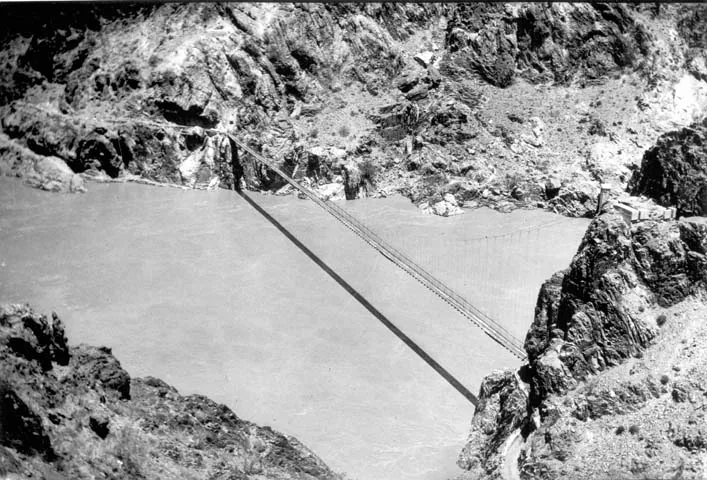
- Photo: Grand Canyon National Park / Wikimedia Commons (CC BY 2.0)
- Photo: Grand Canyon National Park / Wikimedia Commons (CC BY 2.0)