From a distance, bungee and BASE can look like cousins: humans leaving bridges, cliffs, or towers toward the ground. Up close, they are different sports with different equipment philosophies, legal landscapes, and fatality statistics. Conflating them is how casual conversation becomes dangerous advice.[1][2]
Equipment and stop method. Bungee uses an elastic cord (and harness system) sized so you never need a parachute; the cord catches and rebounds you for retrieval. BASE jumping is parachuting from fixed objects - Buildings, Antennas, Spans, Earth - with very little altitude and time to deal with malfunctions compared to skydiving from aircraft.[2] One sport removes ground impact with rubber; the other flies a canopy after a short freefall.
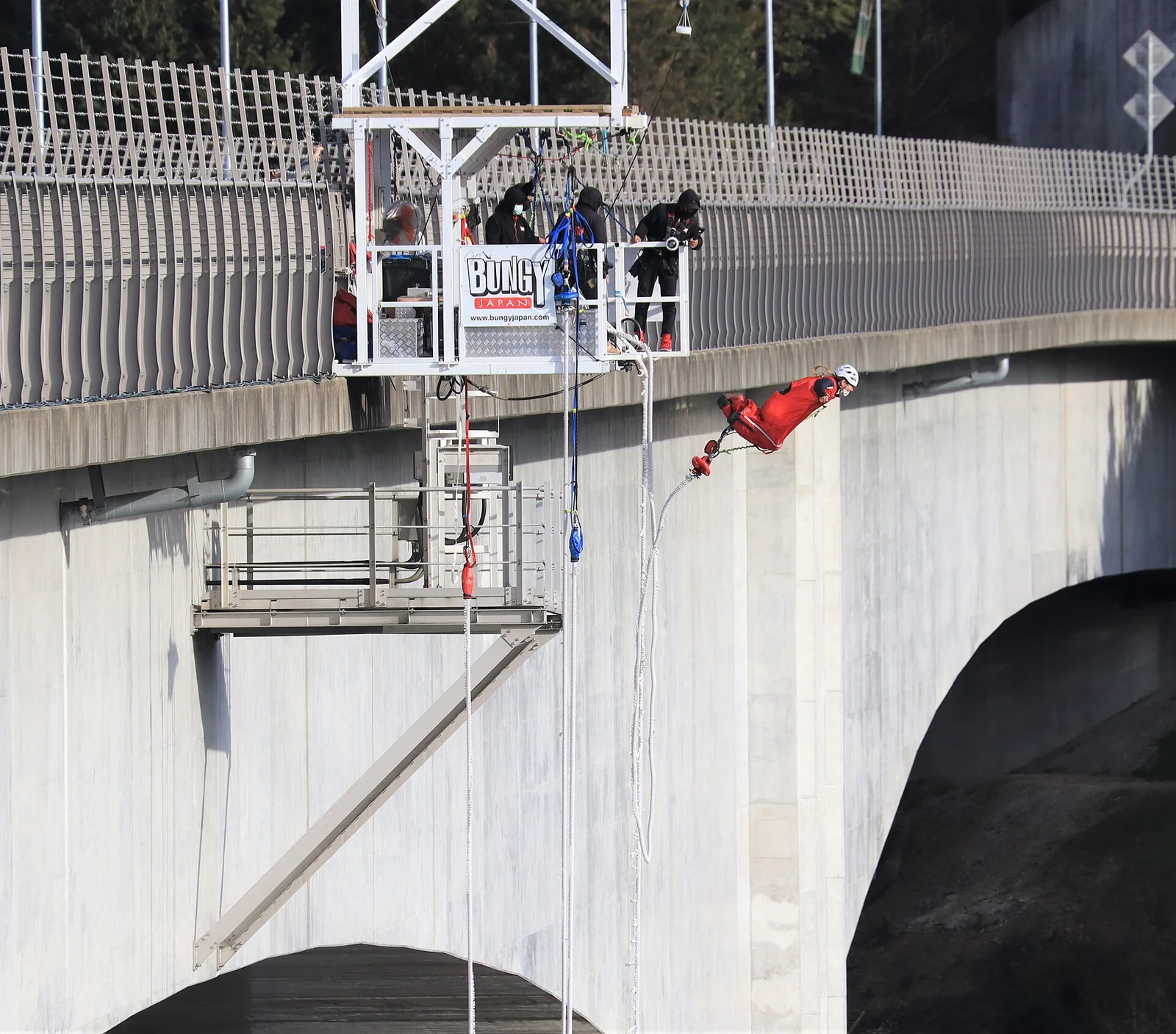
Risk profile. Commercial bungee, while not risk-free, operates inside tourism frameworks: repeated procedures, public sites, staff redundancy, and customer screening. BASE jumping is widely recognized as a high-fatality extreme sport relative to participant numbers; low pull altitudes, object proximity, and legal gray areas compound danger.[2] Many skydiving organizations focus on aircraft-based sport parachuting education; BASE is a specialized, often self-directed path that assumes extensive prior experience.[3]
Accessibility and cost. Almost any healthy adult traveler can book a commercial bungee at a major site with a same-day briefing and a few hundred dollars (highly variable by country and height). BASE is not a walk-up tourist product in the same way. It typically requires serious skydiving experience, mentorship, specialized gear, travel to permitted or clandestine objects, and acceptance of legal and physical risk. The “price” includes training years, not only a ticket.
Legality and ethics. Bungee sites exist because they are permitted businesses. BASE often collides with trespass law, event restrictions, and site bans after accidents. Responsible discussion never treats illegal jumps as content goals. Where BASE is legal and organized, it still demands elite judgment.
Psychologically, both attract people who want to confront void and control fear. That shared motive is not a shared safety case. Wanting “more extreme than bungee” should not auto-translate to BASE; progression might mean higher commercial bungee, skydiving licenses, canopy precision, or other regulated sports.
If you are choosing: pick bungee for a contained, commercial freefall experience with elastic catch. Pick skydiving if you want parachute flight and a training ladder. Consider BASE only after deep research, extensive parachuting experience, legal venues, and honest risk acceptance - and never as a vacation impulse because a bridge looked tempting.
Respect both sports by describing them accurately. Bungee’s miracle is engineered elasticity and ops discipline. BASE’s reality is low-margin parachuting near solid objects. The edge is real in both; only one is designed as a mainstream adventure ticket.
Media blur is part of the problem. Action films and social clips use “BASE” loosely, sometimes labeling bungee or swings as if categories were interchangeable. That sloppiness recruits novices into the wrong fantasy. If a video shows an elastic cord and a rebound, it is not BASE. If it shows a canopy opening after a short freefall from a cliff, it is not bungee. Learn the silhouettes before you learn the hashtags.
Insurance and travel medical policies often treat these activities differently. Many standard policies exclude BASE and may limit coverage for bungee depending on the insurer and declaration rules. Read the PDF before you jump abroad; adventure sports riders exist for a reason. A commercial bungee ticket is easier to reconcile with travel insurance than an unsanctioned object jump at dawn.
Progression ethics for adrenaline lovers should prefer regulated ladders: bungee with pros, indoor skydiving for body flight feel, tandem then licensed skydiving, canopy courses, and only much later - if ever - mentored BASE in legal contexts. Skipping rungs because a bridge looked “free” is how tragedies write themselves. The void will still be there after you train.
Cost comparison in one line: bungee is a product; BASE is a lifestyle risk with gear and travel overhead that is not meaningfully “cheaper” once you count training and consequences. Accessibility comparison in one line: bungee welcomes screened tourists; BASE assumes expert parachutists. Keep those lines handy when someone frames BASE as bungee’s edgy sibling. Siblings can share a family resemblance and still require totally different respect.
Choose bungee when you want freefall joy with commercial scaffolding. Choose skydiving when you want flight. Treat BASE as a specialist domain you do not enter on vacation bravado. That clarity is not gatekeeping for its own sake; it is how more people get to keep jumping in the sports that actually match their preparation.
Sources
- Wikipedia - Bungee jumping (2024)
- Wikipedia - BASE jumping (2024)
- USPA (2024)
Image credits
- Photo: Lorem Picsum / Unsplash photographers / picsum.photos (Unsplash License)
- Photo: Alpsdake / Wikimedia Commons (CC0)