Somewhere between the trust fall and the quarterly offsite, a manager will suggest bungee jumping as team-building. The pitch is tidy: shared challenge, memorable metaphor for leaping together, great photos for the careers page. The risk is equally tidy: employees who feel career-penalized for saying no, or who leave more stressed than aligned.[3]
Adventure education has a long track record of using carefully facilitated challenge to grow communication, cooperation, and trust - when participation is appropriate and reflection is built in.[1][2] A raw freefall without facilitation is not automatically “teamwork.” It is a high-arousal event that teams may or may not metabolize into culture.
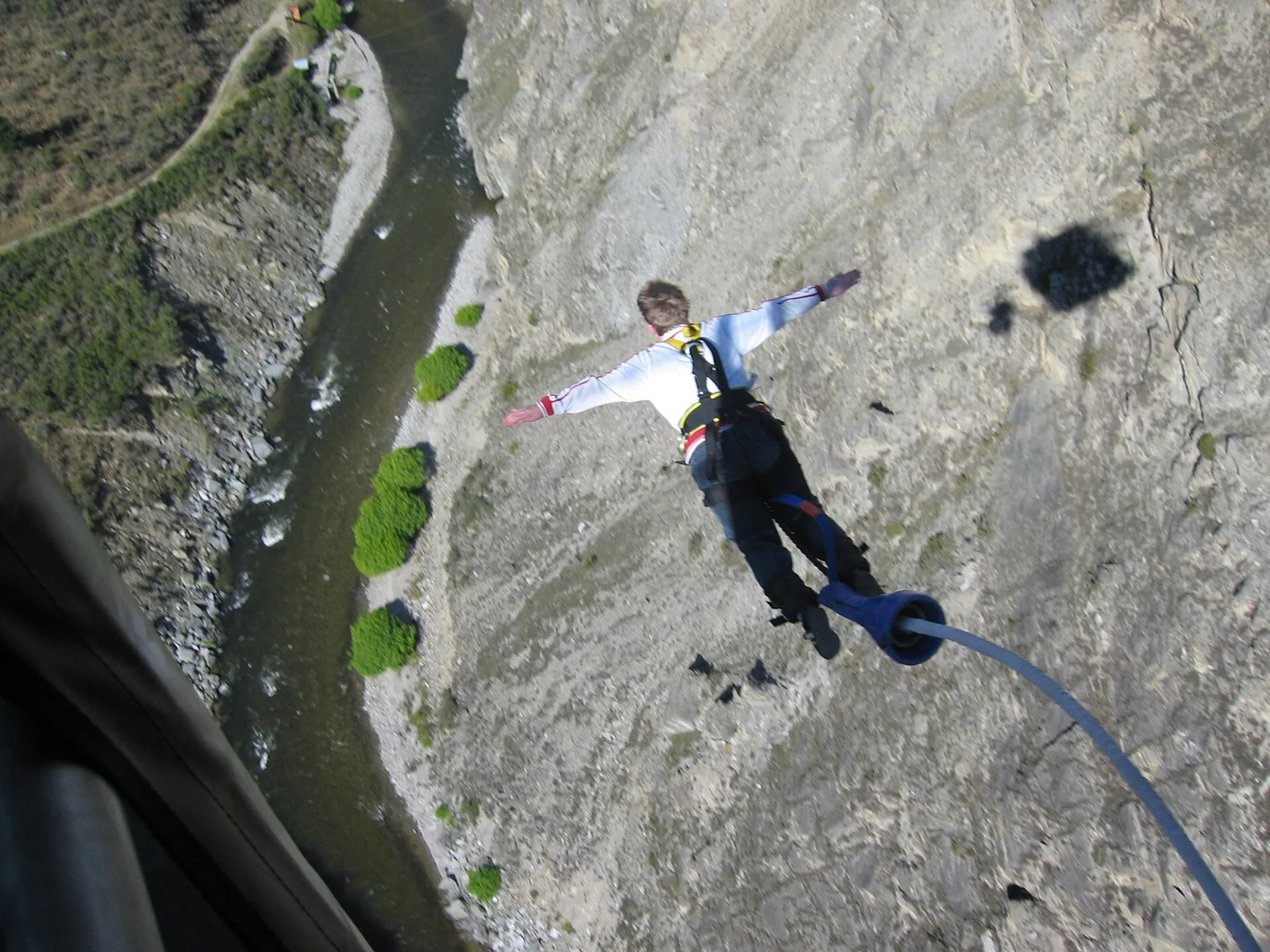
When shared fear helps
Optional bungee elements can work for teams that already have psychological safety, where status is not tied to bravado, and where leadership jumps last or not at all if that reduces pressure. The bonding often happens in the queue and the debrief: colleagues trading strategies for nerves, celebrating different forms of courage, including the courage to spectate supportively.
Pair the jump with structured reflection. What did you notice about how you handle uncertainty? Who did you rely on? How does that map to product launches, incident response, or client crises? Without a debrief, you mostly bought an expensive scream.
When it backfires
Mandatory “fun” is a known workplace stressor. Employees with medical limits, trauma histories, religious or cultural concerns, or simple preference against extreme sports should not need to disclose private details to keep their reputation. If the only path to looking like a “culture fit” is stepping off a platform, the offsite is already failing.[3]
Also consider equity: not every body meets weight or health requirements for commercial bungy. Build parallel high-quality tracks - facilitated problem-solving courses, scenic challenges, strategy workshops - so non-jumpers are not parked in a second-class lounge.[2]
Design checklist for organizers
State in writing that jumping is optional and unrelated to performance reviews. Book reputable operators with clear group procedures and insurance.[4] Offer professional facilitation if the goal is development, not only thrills. Schedule recovery time; do not stack a bungee morning with a high-stakes afternoon presentation for the same people.
Measure success by inclusion and learning outcomes, not by jump completion rate. A team that returns more honest about support and risk is a win. A team that returns with a new hierarchy of “who is fearless” is a loss dressed as content.
Corporate bungee can be a vivid chapter in a team’s story. Treat fear as a guest, not a performance review metric, and the shared leap - or the shared decision not to leap - can still build trust.
Facilitation, liability, and leadership modeling
If the company is paying, involve HR or risk early. Waivers, insurance riders, and medical self-declarations are not party favors; they are how you avoid turning a culture initiative into an incident report. Document that participation is voluntary in the invitation, the calendar hold, and the morning briefing. Managers should never improvise jokes about “who wants that promotion.”
Leadership modeling cuts both ways. A CEO who jumps can signal humility and shared risk. A CEO who jumps and then ranks the screams can signal dominance theater. Better: leaders who celebrate opt-outs publicly, who thank the logistics team, and who join the debrief questions even if they stayed on the viewing deck with coffee.
Connect the metaphor carefully. “We take leaps in product” is fine if your actual culture funds experiments and tolerates failure. If your culture punishes mistakes, a bungee metaphor will ring hollow and even cynical. Experiential learning works when the real workplace systems match the lesson you claim to teach on the bridge.
Consider smaller cohorts rather than one massive queue. Intimate groups allow real conversation between jumps. Huge groups create cattle-line energy and hidden shame. Follow with a structured hour: paired storytelling, team norms about support under pressure, and one operational change you will test back at the office within two weeks - otherwise the day evaporates into photos.
Shared fear can humanize colleagues when the container is optional, inclusive, and reflective. Without that container, corporate bungee is only an expensive way to learn who already felt safe taking risks - which is usually the people who needed the lesson least.
Sources
- Association for Experiential Education - experiential learning principles (2024)
- Outdoor adventure education and team-building program models (2024)
- APA - workplace stress and well-being (2024)
- AJ Hackett - commercial group adventure operations (2025)
Image credits
- Photo: Lorem Picsum / Unsplash photographers / picsum.photos (Unsplash License)
- Photo: Che010 / Wikimedia Commons (CC BY-SA 3.0)