A bungee cord does not emit carbon while it stretches. The flights, buses, diesel generators, single-use media packaging, eroded paths, and poorly managed sewage of tourism systems do. If we love freefall landscapes, we have to love them enough to measure the footprint of arriving.[1]
Where the impacts actually hide
Sustainable tourism frameworks ask operators and destinations to balance environmental, social, and economic effects over the long term - not only visitor satisfaction scores.[1][2] For bungee, key pressures include:
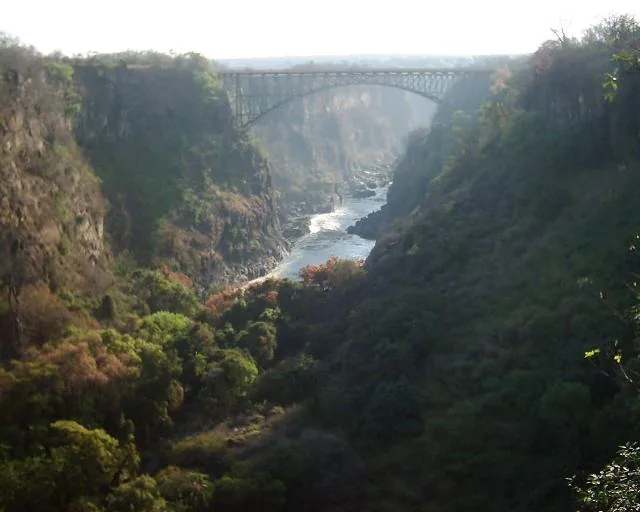
- Long-haul aviation to iconic sites
- Last-mile vehicles idling at trailheads and bridges
- Construction and maintenance of platforms in sensitive terrain
- Waste from food vendors and photo packaging
- Noise and crowding that disturb wildlife or village life
- Water and energy use in support facilities
A single jump’s direct ecological damage can be small compared with the hotel week around it. That is not an excuse; it is a systems view.
What greener operators look like
Greener does not mean “posts more leaf emojis.” Look for concrete practices: local hiring, waste sorting, limits on group sizes, maintenance that prevents oil and trash entering rivers, transport partnerships that fill vans instead of spawning redundant shuttles, and honest weather cancellations that do not push unsafe operations to protect a day’s revenue.[3][4]
Ask where photo prints and soft plastics go. Ask whether the company contributes to trail or bridge heritage maintenance. Established operators with permanent sites sometimes invest in place because their brand depends on that place remaining beautiful.[3]
Traveler choices that move the needle
Stay longer in fewer destinations rather than collecting freefalls with maximum flights. Use shared transport. Carry a bottle and refuse needless merchandise packaging. Stay on marked paths. Jump with companies that publish or can describe environmental policies, even imperfect ones - engagement beats purity theatre.
Choose midweek slots to reduce peak crowding externalities when your schedule allows. Crowding is an environmental and social stressor, not only a vibe issue.[2]
Respect living cultures near jump sites
Some regions have indigenous or traditional jumping and height rituals that modern tourism can caricature. Learn the difference between commercial bungy and cultural practice; pay for authorized experiences; follow photography rules. Sustainable tourism includes cultural respect, not only carbon math.[1]
Offsetting is not a full solution
Carbon offsets can be a partial tool if you vet them, but they do not fix trampled vegetation or local waste streams. Reduction first, then offset. The hierarchy matters.
A practical eco-audit before you book
- Can I combine this jump with a trip I was already taking?
- Does the operator hire and train locally?
- Is the site managed to protect riverbanks, cliffs, and paths?
- Are cancellations handled without pressuring unsafe jumps?
- Will my money stay partly in the host community?
Freefall feels weightless. Responsibility should not. The greener future of bungee tourism is operators competing on care for place as openly as they compete on height, and travelers rewarding them with bookings that keep both people and landscapes ready for the next careful leap.[1][2]
Media production is an overlooked footprint. Helicopter B-roll, diesel generators for events, and disposable promo materials can outweigh the impact of ordinary guests on foot. If you are hiring a private media team for a luxury jump, ask about battery power, drone permissions, and leave-no-trace rules. Spectacle should not require a trash signature.
Material life cycles matter on the operator side: cords, harnesses, and uniforms eventually retire. Responsible companies track soft-goods retirement and disposal rather than dumping gear into informal waste streams. Travelers rarely see that backstage work, but you can ask about it when touring a facility or writing a pre-booking email.[3]
Destination stewardship also means accepting limits. Caps on daily jumps, seasonal closures for wildlife, or path repairs that block the perfect photo are features of a living place, not inconveniences invented to annoy tourists.[1][2] Reward operators who explain limits clearly instead of whispering workarounds.
Your lightest-footprint jump might be the one closest to home with a reputable crew, funded by a train ride rather than a long-haul flight. Iconic overseas sites will always call to some travelers - and when they do, longer stays, local spending, and careful operators turn a high-impact flight into a higher-benefit visit for the host region.[4]
Keep a simple personal rule: if a jump requires a brand-new long-haul flight and only a 24-hour turnaround, wait until you can stay longer or combine it with deeper local travel. That single rule cuts pure trophy emissions without banning iconic experiences forever.
Sources
- UN Tourism - sustainable tourism definition and pillars (2026)
- ILO / UNWTO sustainable tourism for development guidebook (PDF) (2013)
- AJ Hackett Bungy NZ - long-running site operations context (2026)
- Shearwater Bungee - destination-based adventure activity (2026)
Image credits
- Photo: Citikiwi / Wikimedia Commons (Public domain)
- Photo: The original uploader was Vberger at French Wikipedia. / Wikimedia Commons (Public domain)