Some jumps sell scenery and a first-time hit. Extreme commercial sites answer a simpler question: how long can freefall last while you are still on a professional system with published limits?
Height is the headline. The real product is empty air under your heels for longer than your brain likes—plus wind, retrieval, and a medical form that does not bend for ego.
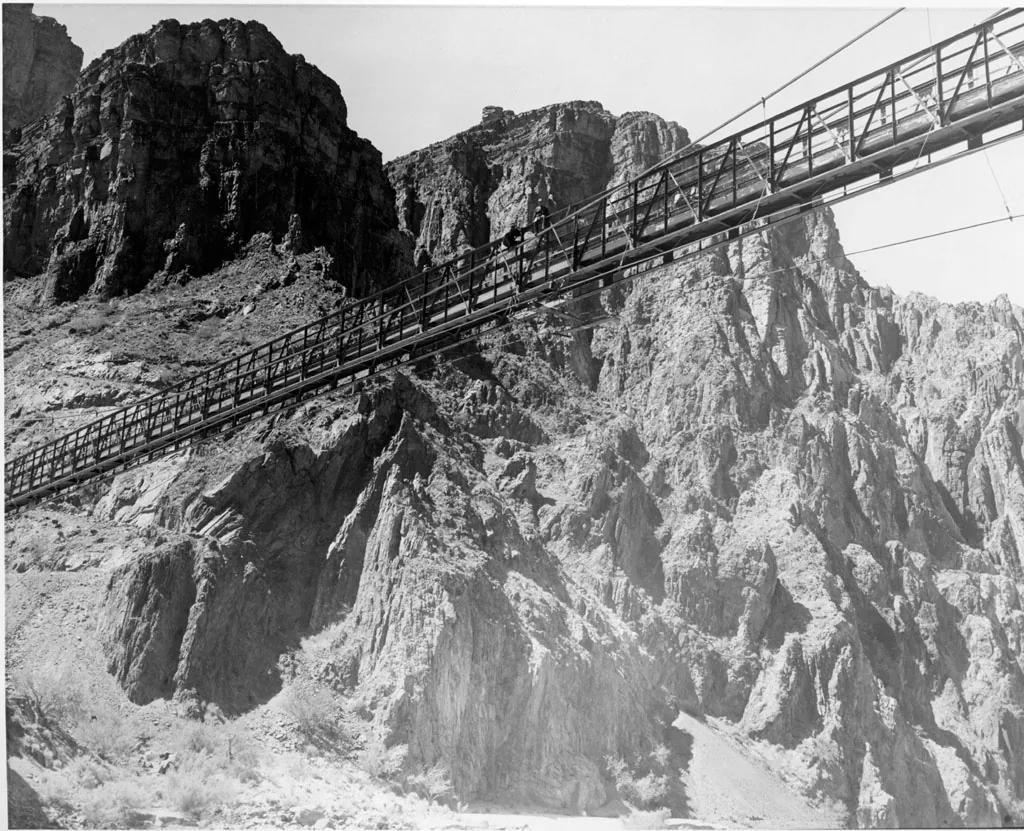
Bridge and gorge extremes
Bloukrans Bridge, South Africa — 216 m. Face Adrenalin's flagship: full-body harness with ankle connection, winch recovery, catwalk exit. Weight 35–150 kg, age 14+, year-round operations except gale winds and thunderstorms. Check in an hour early. This is the benchmark "highest commercial bridge bungy" conversation for a reason.[1]
Europabrücke, Austria — 192 m. Rupert Hirner Bungy Jumping's parade station on the Europe Bridge near the Stubai valley, with additional high dam products (e.g. Kölnbreinsperre listed at 165 m on their site). Alpine scheduling and event days matter—do not assume walk-up every afternoon of the year.[2]
Verzasca Dam, Switzerland — 220 m wall. Film-famous dam; Switzerland Tourism pegs the wall height at 220 m. Jump availability is operator- and season-dependent (Trekking Team / 007bungy lineage). Treat dam tourism and jump tickets as separate bookings.[3]
Nevis Bungy, New Zealand — 134 m. Highest in NZ, ~8.5 second plunge from a suspended pod. Weight 45–127 kg. Shuttle access only. Cold wind on the platform is part of the bill even in summer.[4]
The Last Resort, Nepal — ~160 m gorge bridge. Tropical gorge, serious river below, day-trip logistics from Kathmandu. Extreme is as much road and recovery as meters.[5]
Building extreme: Macau Tower
Skypark markets the Macau Tower bungy as the world's highest commercial bungy facility from a building at 233 m, guide-cable system, solo and tandem. Solo weight roughly 40–140 kg. Typhoon and wind holds are real. The freefall is over city and harbor—not a river gorge—and that changes how fear feels.[6]
Detail page: Macau Tower bungy.
What extreme still demands
Extreme height does not cancel basic safety culture. You still need:
- Honest medical disclosure
- Weight inside the published band on the day
- Willingness to stop if crew or weather looks wrong
- A travel day that is not a sprint from an overnight flight into a countdown
If you have never jumped, read beginner-friendly spots first. Max meters on day one is optional.
Bottom line: Bloukrans, Macau Tower, Verzasca, Europabrücke, Nevis, and a few gorge bridges are where commercial bungee gets genuinely long. Confirm live limits and season. Height without a serious operator is not extreme—it is reckless.
Sources
- Bloukrans Bungy: 216 m, limits, process
- Rupert Hirner: Europabrücke 192 m and related products
- Switzerland Tourism: Verzasca Dam 220 m
- AJ Hackett: Nevis Bungy 134 m
- The Last Resort Nepal: ~160 m gorge bungy
- Skypark Macau: 233 m building bungy
Image credits
- Photo: chee.hong / Wikimedia Commons (CC BY 2.0)
- Photo: Grand Canyon National Park / Wikimedia Commons (CC BY 2.0)