You will want the clip. Everyone wants the clip. The question is whether filming supports the jump or steals it - and whether your setup is something the operator will even allow. Many of the cleanest bungee videos online come from staff-operated multi-cam packages, not from a phone taped to a wrist with hope.[2]
Filming your own jump is possible at some sites with approved action cameras and mounts. It is impossible, unsafe, or both when gear can detach, block harness hardware, or distract you at the worst second.
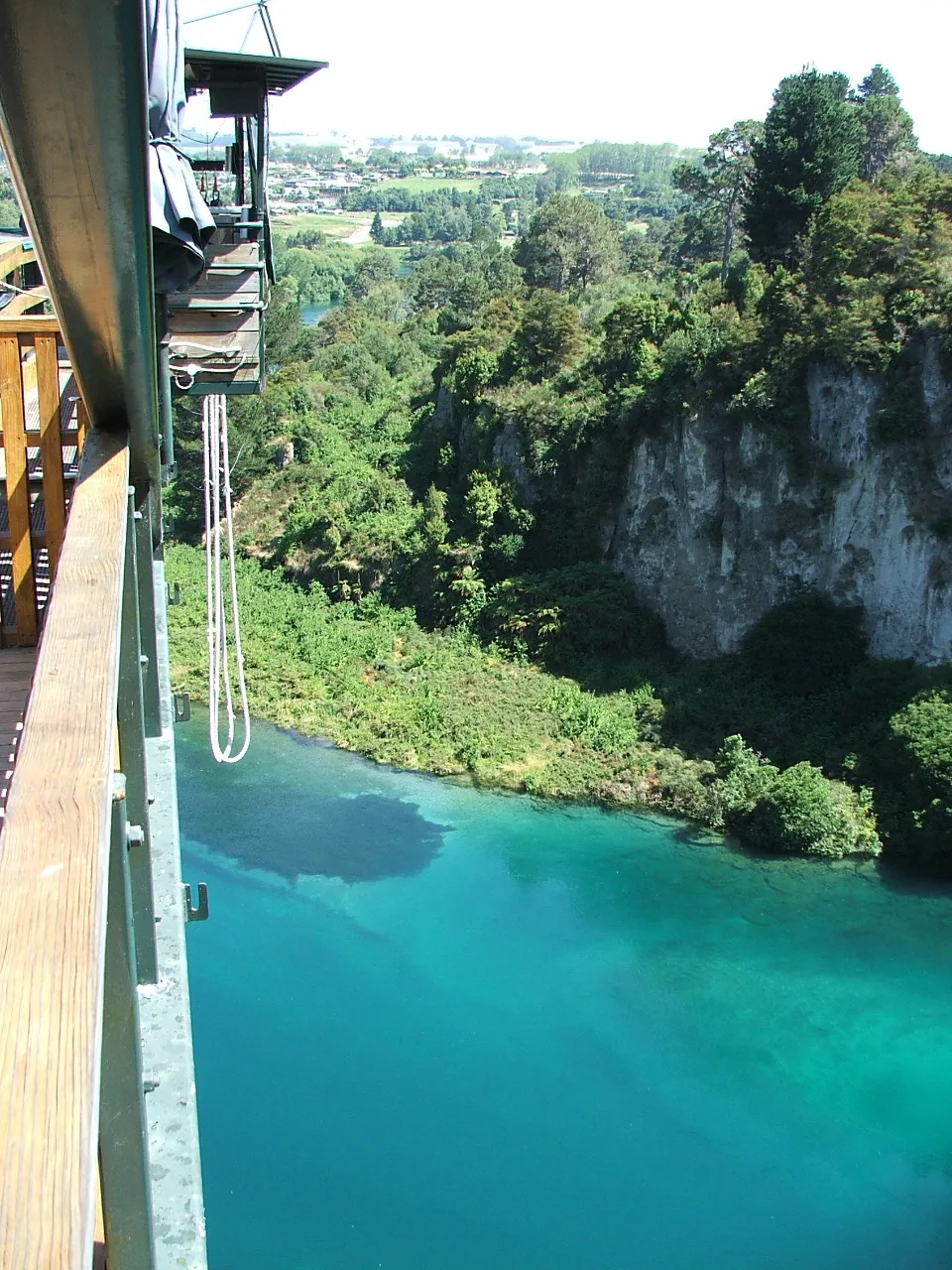
Prefer official packages when the moment matters
Commercial operators often place cameras on the platform, on the jumper, and sometimes remote angles that you cannot replicate alone. Buying the package frees you to jump with empty hands and a full attention span. If budget forces a choice, many veterans pick video over stills because the sound of the scream is half the souvenir.[2]
If you hire a friend as ground shooter, give them a fixed, permitted vantage point. Do not ask them to lean over barriers or freestyle on restricted catwalks. Their job is framing and safety, not becoming a second stunt performer.
Personal cameras: rules before resolution
Ask the operator in writing: Are personal GoPros allowed? Which mounts? Is a mouth mount banned? Chest mount or helmet only? Any tethering requirements? Sites differ, and staff can ground a camera on the day if it conflicts with harness paths.[1][4]
Use redundant security: manufacturer mount plus safety tether rated for the camera’s mass. Check every knuckle and screw on solid ground. Enable the right field of view before you climb; you will not reliably fix settings in gloves with tunnel vision. Start recording early so you do not fumble at the edge.
Skip handheld phones. Skip selfie sticks. Skip anything that can become a projectile. Drones are a separate regulatory and site-permission problem; many jump sites prohibit them outright, and recreational drone rules still apply wherever you fly.[3]
Direct the day without directing your nervous system
Decide your “coverage plan” the night before: official cam on, personal cam as backup, ground friend for arrival and exit only. Then put the plan away. Ritualizing camera checks five times on the platform is a great way to spike anxiety and annoy the jump crew.
Afterward, resist the urge to watch the footage immediately if you feel shaky. Eat, hydrate, sit. Edit later with fresh eyes. The best films of a bungee jump still leave room for the unfilmed second when you simply felt alive.
Capture the leap. Do not let the leap become unpaid camera assisting with your own body as the rig.
Shot list, sound, and post without obsession
A simple shot list keeps filming from swallowing the day: (1) arrival and landscape establishing shots on the ground, (2) brief and smile-to-camera before harness stress peaks, (3) continuous POV through the jump if allowed, (4) immediate landing reaction from a friend angle, (5) wide celebration after unclip. Anything beyond that is optional gravy.
Sound is half the memory. Wind will destroy unprotected mics. Official packages often place mics more intelligently than a chest cam in a gale. If you narrate, do a short pre-jump intention and a post-jump one-sentence reflection rather than a monologue on the plank while staff wait.
In post, resist over-scoring with epic music that drowns the real breath and countdown. Color grade gently; freefall already provides drama. Cut away from endless platform pacing unless that anxiety is part of the story you want to own. Many of the most rewatched clips are under thirty seconds of pure commitment and first rebound.
Ethics matter when groups jump. Get consent before you publish friends’ panic faces. Not everyone who said yes to the activity said yes to becoming a meme. Private albums and public edits can be different cuts of the same day.
Finally, schedule a phone-away window after the jump where nobody reviews footage. Let the body finish the experience before the brain becomes a film critic. You can always edit tonight. You cannot re-take the first unmediated minute of still being alive in the open air.
Whatever path you choose after reading a guide like this, keep the hierarchy of values straight: safety procedures, honest consent, and recovery time always outrank content, peer applause, and sunk-cost pride. BungeeFinder’s bias is simple - we want you to jump when it is right, walk away when it is not, and keep enough clarity afterward to tell the story without rewriting the fear into something it was not.
If you take one habit from the professionals who run platforms day after day, take their love of checklists. Check the operator, check your body, check your motives, check your gear rules, and check that the people with you will respect a last-minute no. That checklist is how extraordinary minutes stay good stories instead of cautionary ones.
Sources
- GoPro - camera mounting and adventure filming guidance (2025)
- AJ Hackett - photo and video package context via site FAQs (2025)
- FAA / general drone awareness - recreational drone rules overview (US) (2024)
- Manufacturer-style safety: secure mounts and tether principles (GoPro support) (2025)
Image credits
- Photo: Thajsko / Wikimedia Commons (CC BY 3.0)
- Photo: Thajsko / Wikimedia Commons (CC BY 3.0)