Queenstown will happily sell you freefall, jet boats, canyons, and nightlife until you cannot feel your own face. A 48-hour visit built around one bungee works when you refuse that stack. One signature leap. Then food, scenery, and sleep.
Kawarau Bridge is the heritage option many first-timers mean: shorter freefall than Nevis, river gorge setting, free transport options from central Queenstown on operator pages, spectators often possible. Read age, weight, and medical rules before you book. Kawarau solo weight band on AJ Hackett’s FAQ is roughly 35–150 kg; under-15 rules and consent apply.[1][2]
Arrive the night before if you can
Central or Frankton base. Familiar food. Hydrate. Skim medical and weight guidance again. Confirm pickup times and weather rebooking language. AJ Hackett says they operate in most weather including rain, and if conditions exceed limits you get transfer, reschedule, or refund. Your own cold feet are usually non-refundable - read that before you pay.[2]
A quiet night beats a late bar crawl when freefall is morning business. Alcohol policy at check-in is sober-only; influence means refusal without refund at serious sites.[2]
Jump morning: keep the circle small
Light breakfast. Closed shoes. Layers that work under a harness. Someone else holds the bag. On site, the briefing is the only briefing that counts.
After recovery, protect two hours: photos if you want them, slow walk, real meal. Zero pressure to stack another extreme product before your nervous system settles.
Book ahead in peak seasons. Operator FAQ recommends booking at least 48 hours out for preferred slots.[2]
Afternoon of contrast
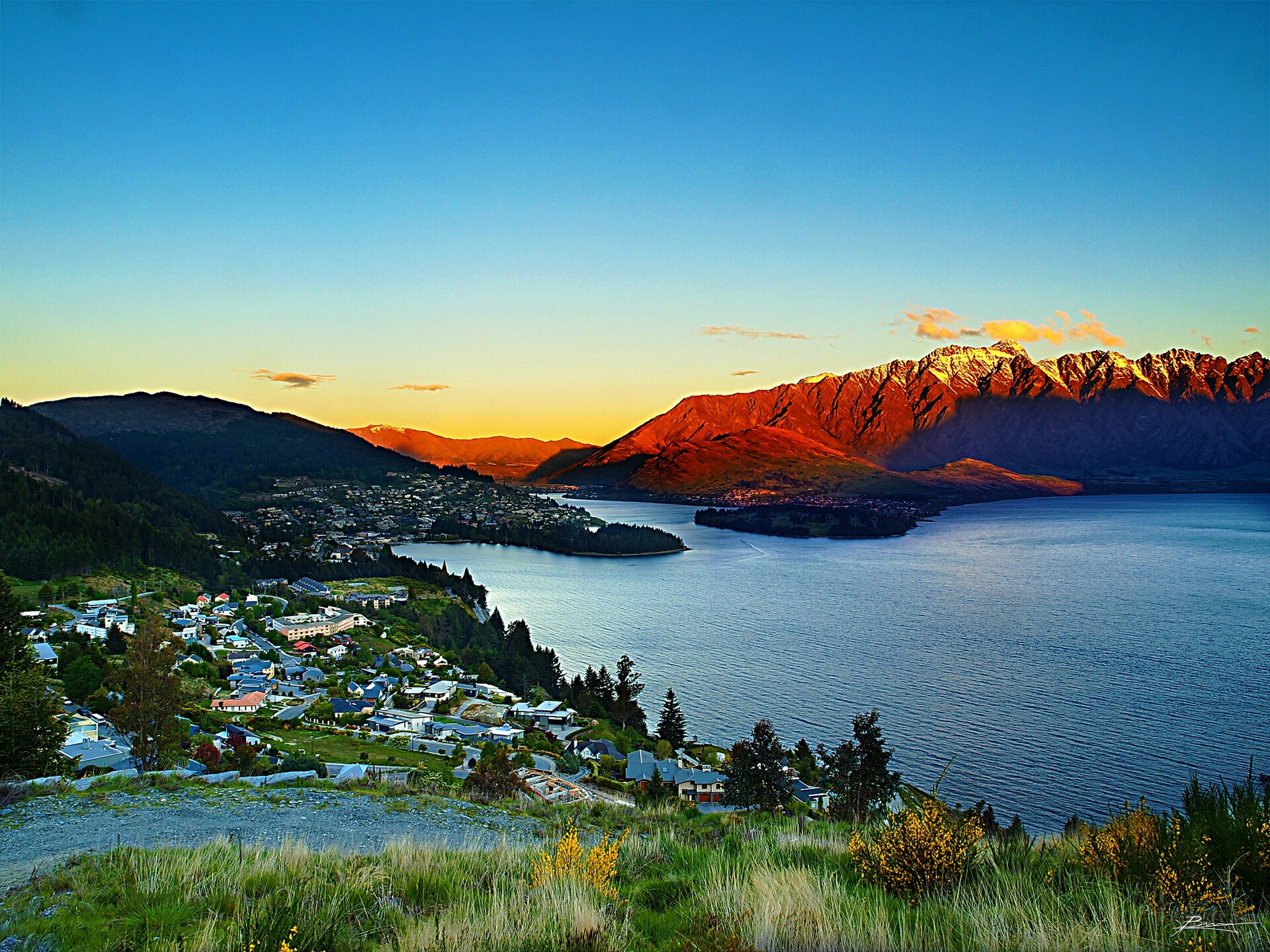
Gondola views, lakeside stroll, winery half-day, or sitting on the waterfront watching seaplanes. Destination Queenstown exists to sell the mix of wilderness and town comfort - use it.[3]
If companions did not jump, this is their payoff window. Shared pizza beats forcing everyone onto another platform.
Day two: scenery without a countdown
Moderate hike, quieter trail, boat hour. Keep one optional adventure slot only if breakfast honesty says yes. Many people find the jump already delivered the peak. Day two is integration.
Before you leave: media downloads, any weather credit paperwork, insurance notes if a niggle shows up later.[4]
If rain rewrites the schedule, swap days. Do not panic-buy three indoor substitutes you hate. A delayed jump with clear heads beats a stubborn slot in sideways wind.
Bottom line: one trusted operator, one leap, blank space after, lake time on day two. Leave wanting a little more Queenstown, not three days of sleep.
Sources
- AJ Hackett Bungy NZ: Kawarau Bridge Bungy
- AJ Hackett Bungy NZ: FAQs
- Destination Queenstown
- InsureMyTrip: adventure and sports travel cover notes
Image credits
- Photo: Floreana at German Wikipedia / Wikimedia Commons (Public domain)
- Photo: paul (dex) bica from toronto, canada / Wikimedia Commons (CC BY 2.0)