Friend groups who once shared late nights and identical schedules eventually scatter into careers, kids, time zones, and knees that have opinions. A reunion bungee trip can compress years of distance into one vivid weekend - if you plan for the people you are now, not the fearless composite memory of who you were at twenty-two.[1][4]
Start with a survey, not a decree: who wants to jump, who wants to watch, who has medical constraints, who has a tight budget. Reunion stress is real when expectations are unspoken; clarity is affection.[2]
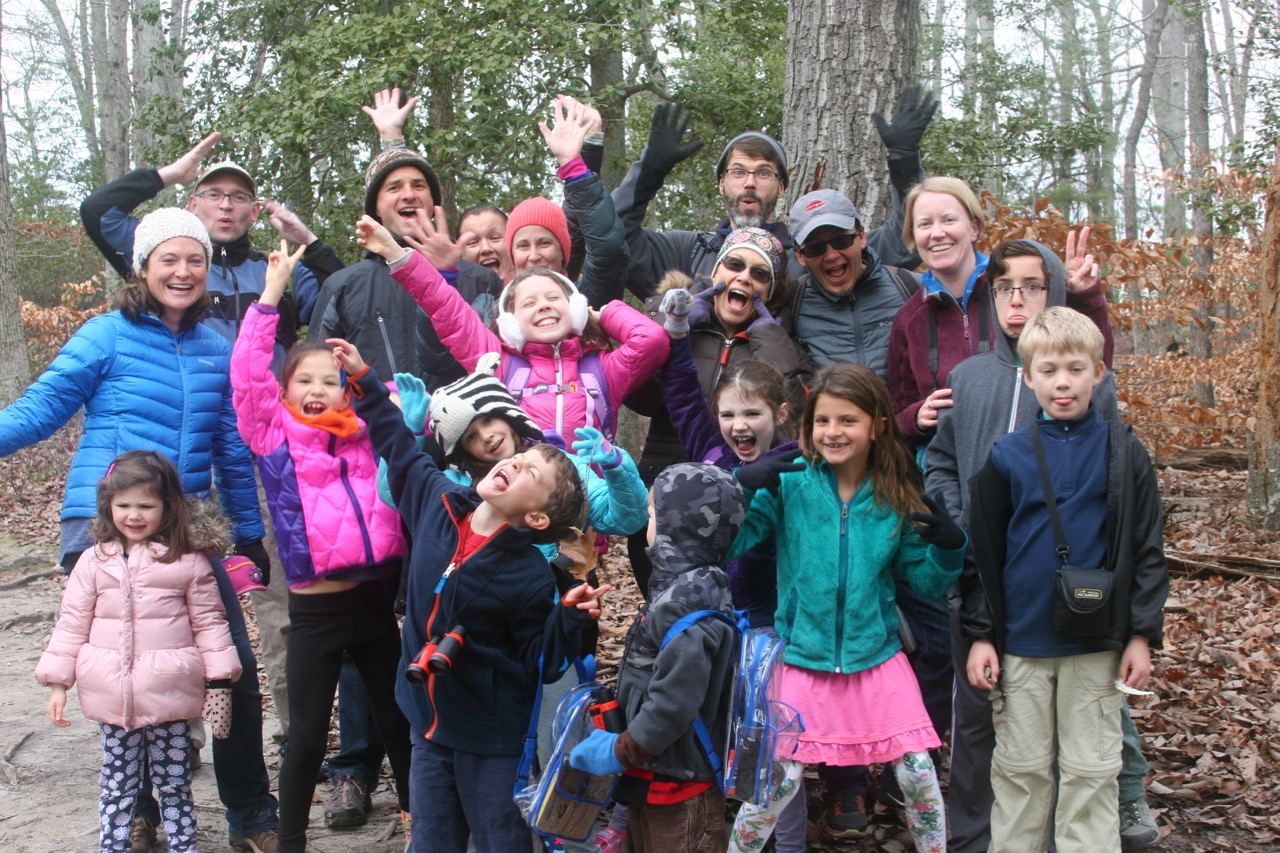
One jump, many roles
Not everyone must leave the platform. Spectating is a full role - bag boss, hype person, photo lead, calm presence for the friend who freezes. Mocking non-jumpers is how reunions acquire scars. Choose operators who handle mixed groups professionally.[1][3]
Budget bands without embarrassment
Publish a cost range early: jump ticket, optional media, lodging tiers, dinners. Let people opt into a dorm-and-street-food track or a nicer hotel track without moralizing. The point is shared presence, not identical receipts.
Schedule like adults with jobs
Arrive with a buffer night. Jump late morning. Protect an unstructured afternoon for the conversations you cannot have in a harness line. Book one excellent group dinner. Leave a free morning before departures so goodbyes are not a sprint through security.
Adventure towns make logistics easier with shuttles and activity desks - use that infrastructure so the organizer friend does not burn out before freefall.[4]
Safety culture for people who “used to be wild”
Years later, bodies and medications change. Enforce honest medical disclosure and no alcohol before jumping.[3] Nostalgia is not a harness inspection.
When the weekend works, the jump becomes a bright bead - but the real product is eye contact across a table with people who knew your old haircut. Plan freefall as optional glue, not as the only reason you flew across the country. Old friends deserve both courage and couch time.[2]
Facilitation without a bossy hero
Rotate micro-roles: one person books lodging, one handles the jump reservation, one plans the dinner, one manages the shared cost spreadsheet. Reunion failure modes include the forever-organizer burning out and the forever-passenger complaining. Distributed ownership keeps affection intact.[4]
Create a shared note with medical reminders, weather plan, and a “no ribbing non-jumpers” rule written in plain language. Humor is great until it targets the person already managing fear.[2][3]
Plan one activity that matches who you are now - a long breakfast, a museum, a gentle hike - so the weekend is not only a museum of your wild past. People change; good reunions make room for the updates.
If budgets vary widely, choose a jump product with optional extras rather than a luxury package that quietly excludes someone. Friendship math should not require debt.[1]
End with a ritual that is not freefall: a toast, a photo in the same pose as a decade-old picture, or a calendar hold for the next gathering. The cord can be the exclamation point. The sentence is still the friendship.
When someone freezes - or thrives
Decide in advance that a freeze is not comedy material. The group’s job is to make space, follow staff guidance, and continue friendship either way. Some of the strongest reunion memories are the arm around a shoulder on the walk down, not only the mid-air scream.
Conversely, if someone thrives and wants a second product, do not shame them for having more gas in the tank - and do not force the whole group to match. Parallel tracks for the afternoon keep autonomy alive: spa for some, second activity for others, dinner for all.
Capture a group voice note the night after while details are fresh. Years from now, the audio of everyone talking over each other will outlast another identical GoPro angle. Reunions are oral history projects with better snacks.
Before you scatter to airports, put a lightweight next date on the calendar - even a video call. Freefall is a peak; friendship needs foothills. The jump weekend works when it restarts contact rather than becoming a once-a-decade museum piece.
Sources
- AJ Hackett Bungy NZ - group planning and FAQs (2026)
- American Psychological Association - relationships and stress (2024)
- XINSURANCE - group adventure safety mindset (2023)
- Destination Queenstown - group travel inspiration (2026)
Image credits
- Photo: brewbooks from near Seattle, USA / Wikimedia Commons (CC BY-SA 2.0)
- Photo: vastateparksstaff / Wikimedia Commons (CC BY 2.0)