Fear loves an unguided stare. On a bungee platform, eyes that flick from cord to river to friends to boots create a private horror montage. Choosing a gaze strategy gives your brain a job other than inventing catastrophe. Mid-fall, that choice also shapes whether freefall feels like a blur or a vivid scene you actually get to keep.[1][2]
On the platform: horizon first
Many coaches prefer eyes on the horizon or a fixed distant point during the lean. Looking straight down too early can freeze the step; looking back at the crowd can twist the exit. Pick one target the jump master validates and practice finding it while still in the harness checks.[1]
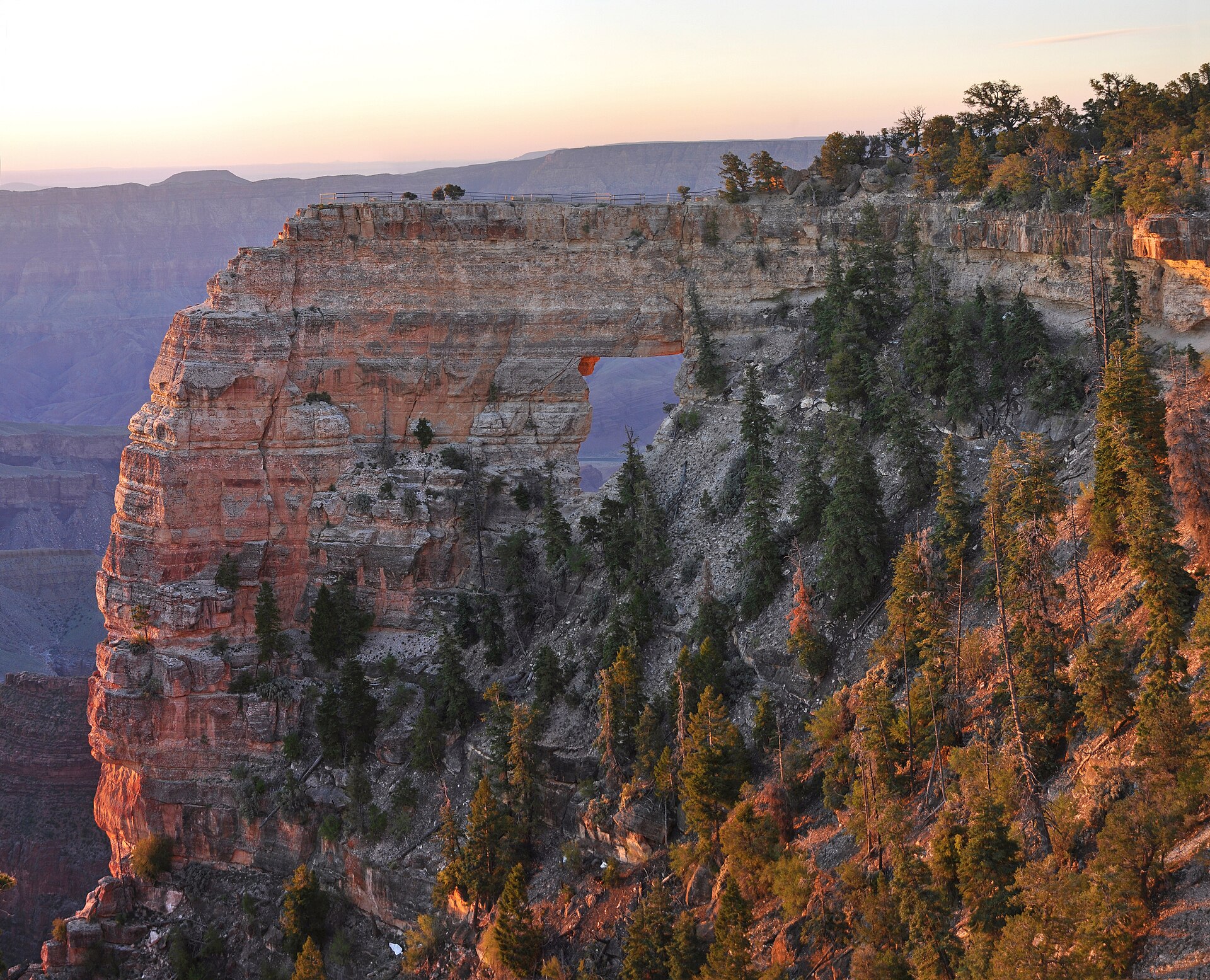
If heights trigger you, a soft gaze - not a hard lock - often works better than a death stare. Soft gaze keeps peripheral awareness without drilling into the void. Pair it with a breath count so vision and breathing share a rhythm.[4]
Mid-fall: down versus out
Looking down maximizes visual speed: the ground expands, details rush, and some people love that zoom. Looking out toward the canyon walls or horizon can feel more spacious and less impact-focused, especially on deep gorge sites where the scenery is half the product.[3] Neither is morally braver. Try “out” for jump one if you want orientation; try “down” for jump two if you want the full visual hit.
Closing your eyes for the entire freefall is allowed by physics and often regretted by memory. A compromise: eyes open for the exit, soft blink if needed, eyes open again before the catch so your brain can map the bounce.
On the rebound
Upward motion confuses people who were staring only at the approaching ground. Shift to the horizon when you rise; it re-centers balance and reduces the “wrong way” panic that makes the bounce feel hostile.[1][2]
Under stress, attention narrows. That is normal physiology, not personal failure.[4] Pre-committing to a gaze plan is how you ride that narrowing instead of being hijacked by it. Tell a friend your plan - “horizon to exit, open eyes for the ride” - so you have a phrase to remember when language gets thin.
Look on purpose. The void is still the void, but a chosen focal point turns freefall from a flinch into a view - and views are why you came to a bridge with a view in the first place.[3]
Sources
- AJ Hackett Bungy NZ - coaching cues on platform and freefall (2026)
- Medical News Today - fear, arousal, and attention under stress (2021)
- Face Adrenalin Bloukrans - visual drama of a deep gorge jump (2026)
- APA - attention and stress performance basics (2024)
Image credits
- Photo: Michael Quinn (National Park Service) / Wikimedia Commons (Public domain)
- Photo: Grand Canyon National Park / Wikimedia Commons (Public domain)