There is the face you make when you book the jump, and the face you make at the bottom of the freefall. Accepting both is the beginning of post-bungee style. You can still plan hair and makeup that survive wind, tears, strap lines, and the occasional misty gorge.[1]
Hair that does not become a subplot
Secure long hair so it cannot wrap hardware or whip your face raw. Braids, low buns, and strong elastics beat elaborate crowns of bobby pins that eject mid-air. Avoid heavy loose extensions that shift under harnesses. If you have a fringe, expect it to invent new directions; pack a small brush and leave perfectionism on the bus.
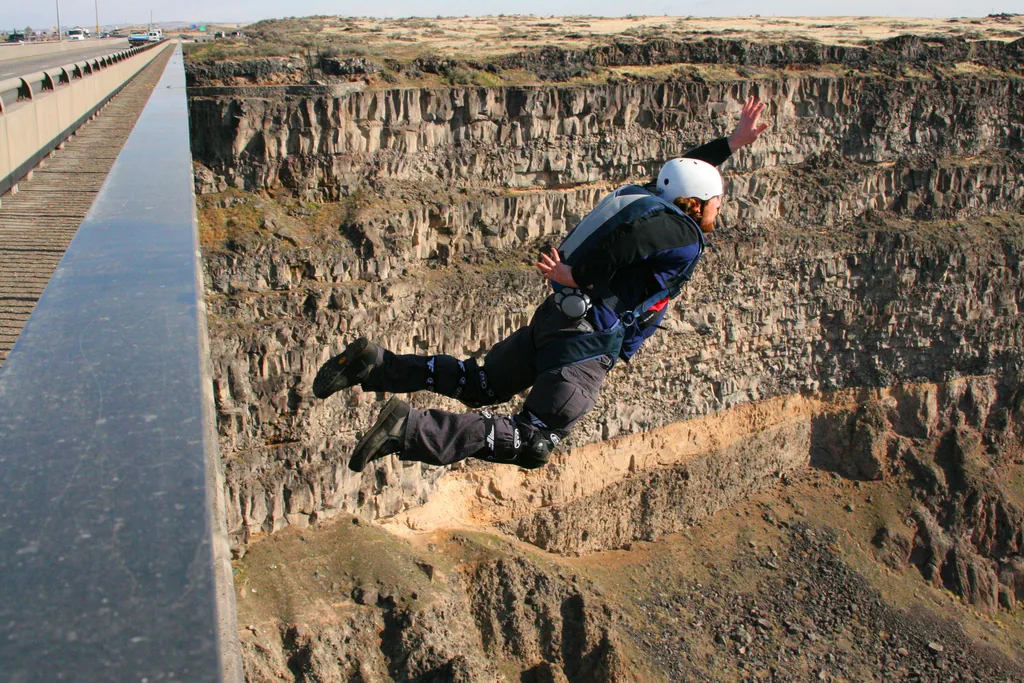
Hats are often incompatible with certain harness or camera setups - confirm before you rely on one for the photo walk-up.
Makeup that expects weather and feelings
Think sport, not gala. Primer and waterproof mascara are reasonable; full contour that runs into abstract art is a choice. Cream products often fare better than powders in wind. Skip glitter that migrates into eyes. If you cry when you are brave - many people do - plan for a tissue and a wipe, not shame.
Sunscreen still matters on bridges and towers. Use a formula that will not blind you with sweat runoff, and reapply on land after if you will be outdoors for hours.[2]
Skin, straps, and the post-jump reset
Harness marks fade. If you bruise easily, a high-neck or crew shirt can reduce visible rub for dinner photos. After unclipping, take five minutes in a bathroom: blot, re-tie hair, optional lipstick, drink water. That small ritual helps your nervous system notice the stunt is over.
Contact lens wearers should pack solution and a case; wind and watery eyes happen. Wash hands before you touch lenses if facilities allow.[3][4]
Photo strategy
Official jump stills sometimes catch mid-scream glory - lean into it. For “I still look like myself” shots, pose after you have stopped shaking, with the landscape behind you and the harness story in your smile. Looking decent after bungee is less about hiding the experience than integrating it. You did something hard. A little flyaway hair is on-brand.
Product minimalism, skin barrier, and confidence after the messy-face feeling
Wind and tears can leave skin inflamed. Pack a simple kit: blotting papers, a hydrating mist without strong fragrance, lip balm, one multi-use cheek-lip color, and a mini brush. Skip a twelve-step reapplication on a portable toilet sink. The glow you want after bungy is circulation and relief, which no highlighter fully fakes.
If you are prone to cold sores or eczema, stress and sun can trigger flares. Bring your usual preventative care and do not experiment with new actives the morning of. Strong acids the night before a windy jump are how people photograph as flaky adventurers.
Hair texture changes the strategy. Coily and curly hair may prefer protective styles that minimize manipulation after wind exposure. Fine straight hair may need a stronger elastic and a soft touch-up rather than tight styles that leave a headache under residual adrenaline. Everyone benefits from a detangling plan that does not require a full vanity.
Confidence after a messy jump face is a mindset skill. You can laugh first in the group chat caption. You can choose the still where your eyes look alive rather than the one where the harness turned your shirt into modern art. Looking decent is partly curation, not only cosmetics.
If makeup is part of how you feel armored, you are allowed to care. Just keep products compatible with safety rules and weather. The most stylish post-bungee look is a person who clearly did something unforgettable and still knows how to meet their own eyes in the mirror afterward.
Whatever path you choose after reading a guide like this, keep the hierarchy of values straight: safety procedures, honest consent, and recovery time always outrank content, peer applause, and sunk-cost pride. BungeeFinder’s bias is simple - we want you to jump when it is right, walk away when it is not, and keep enough clarity afterward to tell the story without rewriting the fear into something it was not.
If you take one habit from the professionals who run platforms day after day, take their love of checklists. Check the operator, check your body, check your motives, check your gear rules, and check that the people with you will respect a last-minute no. That checklist is how extraordinary minutes stay good stories instead of cautionary ones.
Sources
- AJ Hackett - jump day practicalities (2025)
- American Academy of Dermatology - sunscreen and outdoor skin basics (2024)
- American Academy of Ophthalmology - contact lens hygiene basics (2023)
- CDC - hand hygiene when removing contacts or touching face (2024)
Image credits
- Photo: Xof711 / Wikimedia Commons (CC BY-SA 3.0)
- Photo: Chris McNaught from Twin Falls, Idaho / Wikimedia Commons (CC BY 2.0)