Not every bungee site is “high altitude” in the mountaineering sense - but many place you on elevated platforms, dry ridges, hot decks, or after flights into mountain towns where mild dehydration stacks with excitement. Feeling good at height is partly courage and partly water, electrolytes, and pacing.[1][3]
Why fluids matter more than you think
Dehydration can show up as headache, fogginess, heavier fatigue, and a shorter temper in the queue - all of which make fear louder. Dry wind on bridges and towers increases insensible water loss. If you also drank coffee and forgot lunch, the platform is a rough place to discover your deficit.[1]
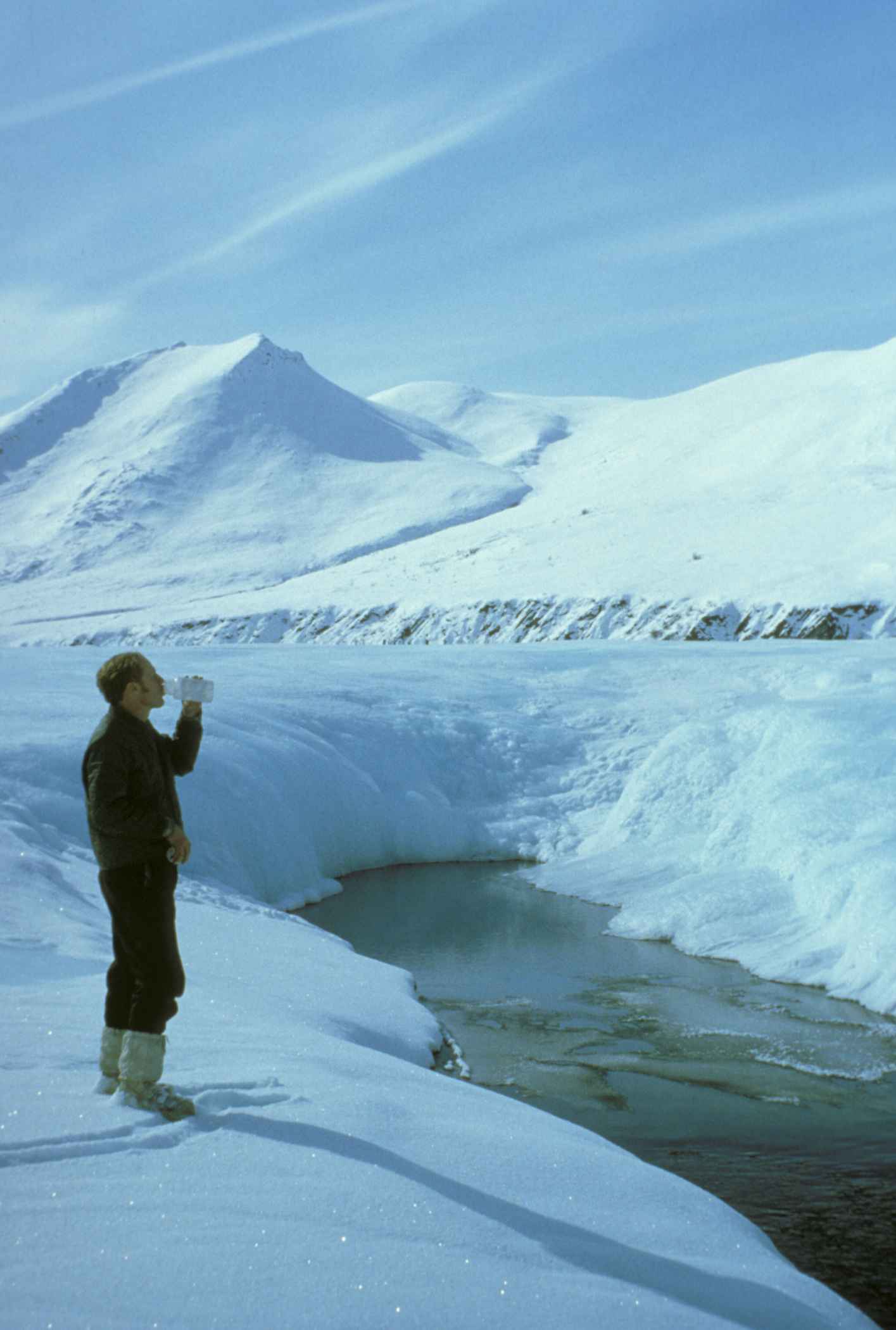
Altitude and travel stacking
When your trip includes real elevation gain - alpine towns, high plateaus, rapid flights - respect acclimatization basics: ascend sensibly when you can, avoid overexertion on day one, and know that alcohol and heavy exertion worsen how altitude feels.[1][2] Mild altitude symptoms are not the same as harness readiness; if you feel unwell, talk to staff and delay rather than hero through.
A simple jump-day hydration plan
Start the day before: regular water with meals, not a midnight gallon. Jump morning: steady sips, a normal breakfast, and a bathroom stop before final briefings. Light electrolytes help some people in heat; sugary sports-drink overkill helps fewer. Stop chugging in the last minutes so you are not uncomfortable in the harness.[3][4]
Heat, cold, and clothing
Hot decks demand shade and fluids; cold wind demands layers so you do not avoid drinking to avoid more cold. Either extreme is easier when you are not starting from dry.
Hydration will not jump for you. It will keep the person who jumps closer to their best judgment - which is the whole point of preparing for high platforms in the first place.[1][2]
Sources
- CDC - Travel to high altitudes (2024)
- Wilderness Medical Society - altitude illness context (2025)
- AJ Hackett Bungy NZ - mountain and bridge environments (2026)
- Skypark Macau - high commercial platform context (2026)
Image credits
- Photo: Jason Hollinger / Wikimedia Commons (CC BY 2.0)
- Photo: U.S. Fish and Wildlife Service / Wikimedia Commons (Public domain)