Every commercial bungee site has a moment that does not appear on the brochure: the last chance to back out. Harness on, jokes thinning, toes at the painted line. Friends may chant. A camera may hover. Your nervous system files a formal complaint. What you do next is less about “bravery” than about how humans make decisions under social and bodily pressure.
Fear on the platform is not a character flaw. It is a predictive system doing its job - treating freefall as a threat because freefall is a threat that modern equipment has made statistically manageable. Clinical psychology has long used graded exposure and fear hierarchies to help people approach avoided situations in controlled steps; the platform edge is simply the top rung arriving early if you skipped the ladder.[1][2] Understanding that framing can reduce shame. You are not broken for shaking. You are intact for noticing.
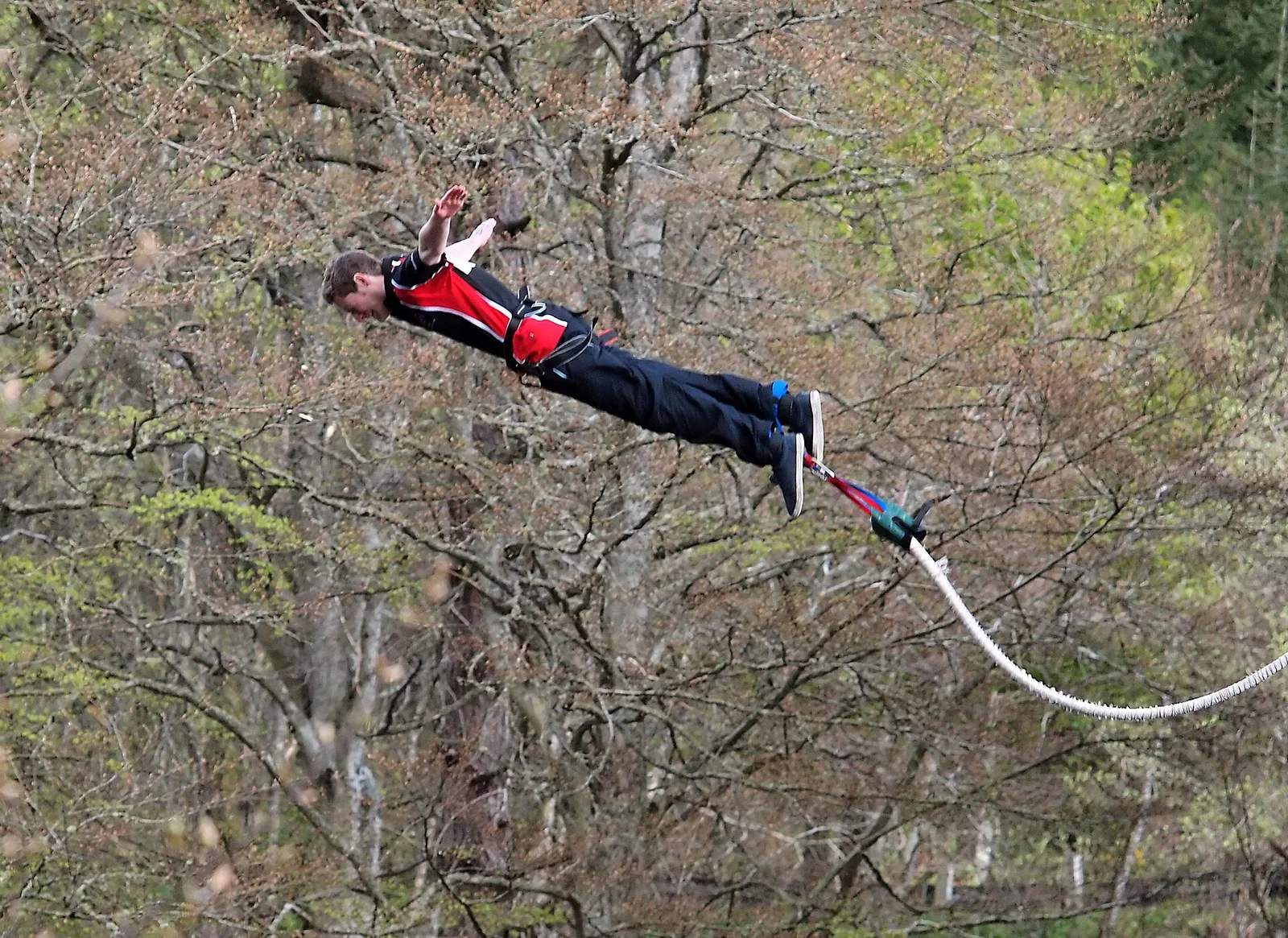
The ethical core of the last-chance moment is autonomy. A jump you are coerced into is not a triumph; it is a consent failure. High-quality operators know this. They brief clearly, allow questions, and would rather unclip a guest than force a viral clip. They also refuse people who are intoxicated - not only for physiology and liability, but because alcohol and drugs scramble the very decision you are trying to own.[3][4] If a crew mocks you for pausing, you are standing on the wrong deck.
Social pressure is the silent co-pilot. Group trips create identity stakes: nobody wants to be “the one who bottled it.” That narrative is optional. Walking down the stairs can be the most self-respecting act of the day if your body is in full veto. Conversely, some people use a short, pre-agreed personal rule - “I can pause once, then I choose” - to prevent infinite rumination. Pre-commitment works when it is self-authored, not when a friend authors it for you on the car ride.
Cognitive tricks help without becoming denial. Name five things you see. Feel your feet. Breathe out longer than you breathe in. Focus on the crew’s instructions rather than the gorge’s depth. Remember that the cord system is a practiced routine for them; your panic is not a surprise guest. If tears come, let them. Emotional discharge is common and not a medical emergency by itself.
There is also a quieter after-story: the people who back out and feel relief mixed with grief. That mixture is human. You can reschedule. You can choose a lower jump. You can decide freefall is not your metaphor. What you should not do is rewrite the day as proof you are permanently small. Courage is the capacity to choose under fear - and sometimes the courageous choice is “not today.”
Operators can protect the last chance by designing for it: no alcohol sales before jump slots, private opt-out paths away from the jeering deck, staff trained to lower arousal rather than raise it. Jumpers can protect it by deciding their values before the harness clicks. Is this for you, or for an audience? When the countdown begins, only one answer should be allowed to speak.
Physiological signs at the edge are easy to misread. Shaking legs, tunnel vision, nausea, and a sudden urge to joke nonstop can all be normal fear expressions. They can also overlap with medical red flags. If you feel chest pain, severe dizziness, or confusion, say so immediately - that is not “backing out,” that is communicating. Good crews would rather unclip you than manage an emergency mid-count. Your job is to report symptoms without self-editing for coolness or for the camera hovering near your shoulder.
Pre-agreements with friends help. Try: “Please do not chant if I pause.” Or: “If I say the word stairs, walk with me without debate.” Social scripts can be rewritten before anyone is harnessed. Solo jumpers can make a private contract: one full minute of breathing at the line is allowed; insults toward yourself are not. The last chance to back out works best when it is structured, not when it is a pure chaos negotiation between ego and amygdala with a queue watching.
After either choice - jump or walk - debrief kindly. If you jumped, avoid immediately promising a higher jump to prove the fear is gone; integration takes longer than the bounce. If you walked, consider a smaller exposure later rather than a shame spiral. The platform is a classroom. The lesson is agency under pressure. That lesson sticks whether or not the cord stretched today, and it travels into ordinary life more usefully than any freefall certificate.
Sources
- American Psychological Association - Exposure therapy overview (2023)
- Psychology Tools - Fear Ladder (2024)
- UK Bungee - health and intoxication rules (2025)
- Bungee Jump Scotland - alcohol policy (2025)
Image credits
- Photo: Tyrone Madera / Wikimedia Commons (CC BY-SA 4.0)
- Photo: David Baird / Wikimedia Commons (CC BY-SA 2.0)