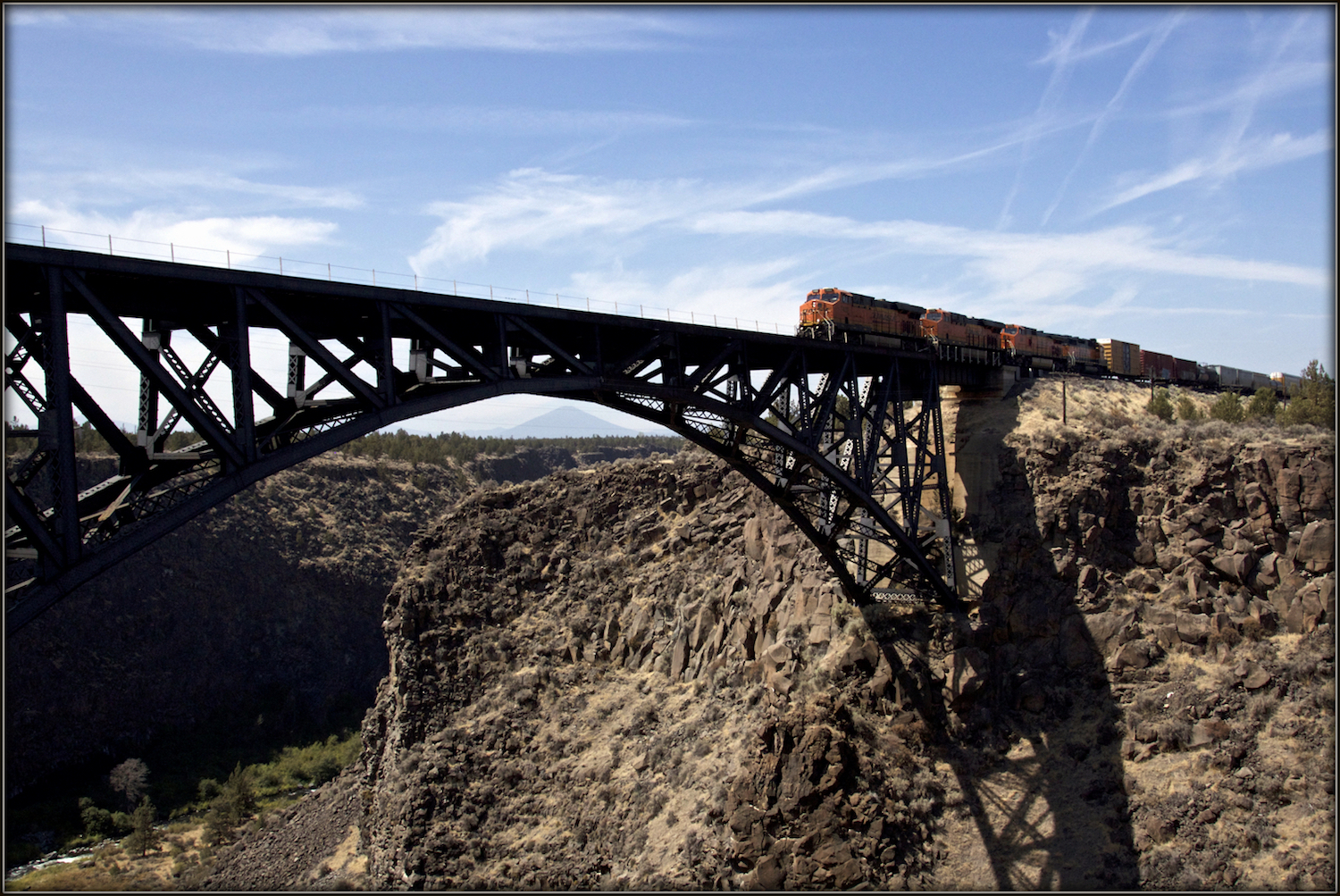
Fear is not a single switch. It is a stack of cues: height, exposure, sound, social pressure, and whether the void below looks like water, trees, or traffic. That is why Macau Tower’s commercial bungy - marketed among the world’s highest building jumps at roughly 233 metres - can feel psychologically alien even to people who have already leaped from a river bridge in open country.[1][4] Urban freefall and canyon drop share physics. They do not share the story your nervous system tells.
Understanding that difference is practical. It helps you choose a first big jump, prep the right way, and interpret the emotions afterward without assuming something is “wrong” with your courage.

What a gorge teaches your brain
On a classic bridge over rock and river - think Kawarau’s intimate scale or deeper canyon arches - the environment reads as wilderness theatre. Wind smells like water or forest. The drop has a “natural” logic even when the cord is pure engineering. Many jumpers report that nature’s vastness oddly soothes even as it terrifies: you are small in a landscape that was dramatic before you arrived.[2]
Socially, gorge sites often feel like outdoor adventure culture - board shorts, river noise, a crew that looks like it lives in harnesses. That culture can normalize fear as part of play.
What a tower teaches instead
Macau Tower stacks different cues. You ascend through a building’s systems - lifts, observation culture, city haze, glass and steel. The void is framed by skyline and sea rather than a single river ribbon. The height number is famous; the urban grid below can make scale feel more numerical and less pastoral.[1][4] For some people, that is harder: cities imply safety and rules, so leaving a man-made deck can feel like violating a category. For others, it is easier: the environment feels controlled, inspected, and “official” in a way a remote canyon never will.
Neither response is more mature. They are different fear dialects.
Adrenaline, attention, and the countdown
Regardless of setting, the body’s stress chemistry still floods attention toward immediate cues - harness, horizon, countdown, the edge under your feet.[3] Urban sites may add sensory load (city hum, spectators, media production energy). Gorge sites may add weather drama and longer approaches. Your job is the same: reduce avoidable novelty before the platform so the remaining novelty is the jump itself.
If city height scares you more, practice with observation decks and glass floors in ordinary towers before jump day. If wilderness exposure scares you more, spend time on open bridges and lookouts with solid railings. Match the rehearsal to the dialect of fear you expect.[3]
Choosing your fear on purpose
Pick Macau when you want flagship height, urban spectacle, and a jump that feels like a skyline story.[1] Pick a gorge or river bridge when you want landscape immersion, classic bungy culture, and a freefall that photographs like an expedition even when it is fully commercial.[2] Veterans sometimes collect both precisely because the psychological aftertaste differs: one feels like conquering a building; the other feels like joining a canyon for a moment.
Rewiring fear is not erasing it. It is teaching your brain that the same leap can wear different costumes - neon city or green void - and that courage is the decision to step, not the costume you stepped from.[3][4]
When friends ask which is “scarier,” answer with cues, not competition. Scary is personal. Smart is knowing which cues you are signing up to meet.
Memory encoding differs too. Gorge jumps often glue themselves to sensory nature tags - cold air, river color, bird sound - while tower jumps glue themselves to social and architectural tags - lift doors, city haze, the knowledge that millions of people live in the grid below. When you later tell the story, you may find one version sounds like travel writing and the other like a skyline confession. Collecting both is less about bragging rights and more about mapping your own fear cartography.[2][4]
Training week suggestions diverge accordingly. For tower anxiety, practice ordinary high buildings, elevators with exterior glass, and timed looks downward from safe rails. For gorge anxiety, practice open trails, suspension footbridges, and sitting with unobstructed drop views while breathing on a slow count. Match the rehearsal environment to the product's emotional dialect and you spend less of the real countdown translating novelty.[3]
On the day itself, reduce category conflict. If you are tower-bound, do not spend the morning doom-scrolling wilderness accident folklore. If you are gorge-bound, do not fixate on building height records that have nothing to do with your bridge. Eat a familiar meal, arrive early, and let the crew's process become the only authority in the room. Fear rewires faster when it is given one clean storyline at a time.[1]
Sources
- Skypark Macau - World’s Highest Commercial Bungy (2026)
- AJ Hackett Bungy NZ - classic bridge bungy context (2026)
- Medical News Today - adrenaline and thrill-seeking (2021)
- Wikipedia - Macau Tower (2025)
Image credits
- Photo: Nelson48 at English Wikipedia / Wikimedia Commons (Public domain)
- Photo: Bob M ~ from Eugene, USA / Wikimedia Commons (CC BY 2.0)