Operators know the second jump is psychologically easier to sell once you have survived the first. Multi-jump packages, same-day doubles, cross-product combos, and loyalty discounts formalize that insight into price lists. Used well, they save money and deepen skill. Used poorly, they buy freefalls you do not want with validity dates you will miss.[1]
The common deal types
Same-site second jump: Often the best pure value. The crew, weighing, and orientation are already done; marginal cost for the operator is lower, and some of that savings returns as a discount.
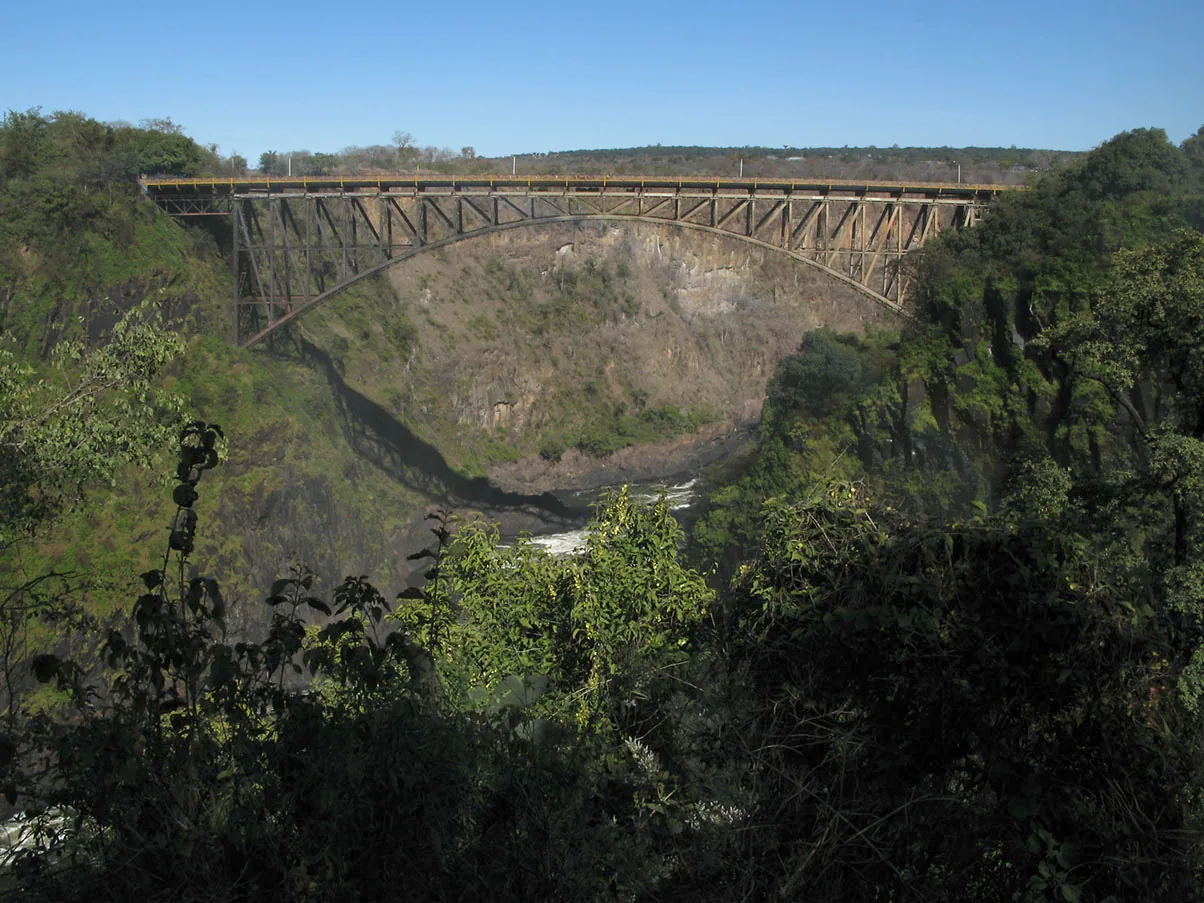
Cross-product combos: Bungy plus bridge swing, zip, or canyon side-quest. Adventure brands in places like Queenstown openly merchandise these ladders.[1][2] Great if you want variety; wasteful if you only came for one clean freefall.
Multi-day or multi-site passes: Useful on regional circuits where the same company runs several products. Check transport realities between sites.
Loyalty / return jumper rates: Some companies reward prior jumps even years later. Bring proof if required. Loyalty pricing assumes you liked the culture enough to return - a good sign if safety was part of why you liked it.[2]
Group packages: Per-person prices drop as headcount rises, until logistics get chaotic. Appoint one organizer; chaos taxes nerves.
Value math without romance
Write two columns: package price versus sum of separate tickets you would truly buy. Ignore theoretical add-ons you would never choose. If the package only wins by including a product you feel “meh” about, it is not a win. Time and recovery are costs too - a third jump on sore ankles is not free even if the voucher says otherwise.[4]
Fine print that matters
- Validity windows and blackout dates
- Weather reschedule rules for multi-product days
- Whether photo deals stack or reset per jump
- Weight or medical changes between jumps
- Transferability - can a scared friend gift their second jump slot?
- Whether the second jump must be the same harness style
Premium single icons - think marquee tower jumps - may discount less than regional playgrounds because demand stays hot.[3] Do not force a package where the product is naturally a one-masterpiece experience.
Who should buy multi-jump deals
Buy if you already know you love freefall, you have recovery capacity, and the operator’s process made you feel safe the first time. Consider waiting if this is your absolute first exposure; some people prefer to buy one jump, learn their reaction, then unlock loyalty pricing later without pressure.[2]
Safety does not stack for free
Every jump resets the need for checks. Fatigue, complacency, and “I already know this” energy are enemies. Treat the fifth freefall of your life with the same harness seriousness as the first.[4] Packages sell volume; you must supply discipline.
A clean buying strategy
Decide your story first: one perfect jump, a same-day double, or a two-day adventure sampler. Then open the price list. Let narrative lead discounts - not the reverse. When the package matches the story, loyalty economics feel like a high-five from a company that expects to see you again in one piece.[1]
Training-wise, multi-jump days are a chance to experiment with one variable at a time: eyes open versus a longer horizon focus, different hand positions, or a calmer exit posture - only within what staff allow. Do not invent freestyle that conflicts with harness design. Creativity belongs inside the safety envelope.[4]
Loyalty programs sometimes unlock merchandise, priority booking, or member events. Evaluate whether those perks change your year of adventure or merely clutter a drawer. The best loyalty benefit is institutional knowledge: crews who remember good process and guests who return because they trust it.[1][2]
If you are traveling internationally to use a multi-site pass, confirm each location’s seasonal status and transfer time. A pass that looks brilliant on a website map can be impractical when mountain weather and bus schedules intervene. Build a primary plan and a reduced plan that still feels like a win if one site closes.
Gift the second jump carefully. Some packages allow transferring a discounted leap to a friend on the same day; others do not. If your goal is shared joy, read transfer rules before you promise anyone freefall. And remember the emotional truth packages cannot price: the second jump’s value is often the quieter courage of someone who already knows what is coming and chooses it again anyway.[3]
Sources
- AJ Hackett Bungy NZ - combos and multi-product offers (2026)
- AJ Hackett Kawarau Bridge - product experience baseline (2026)
- Skypark Macau - premium single-site product context (2026)
- XINSURANCE - residual risk remains across every jump (2023)
Image credits
- Photo: Carl Lindberg / Wikimedia Commons (CC BY-SA 3.0)
- Photo: Surreal Name Given / Wikimedia Commons (CC BY-SA 2.0)