Search long enough and you may find a shocking clip or a forum rumor about someone jumping while pregnant. Do not treat that as a permission slip. Across mainstream commercial bungee, pregnancy is one of the clearest, most consistent exclusions - listed beside intoxication as a hard no rather than a “maybe with a note.”
Operator policy language is blunt for a reason. UK and European company FAQs commonly state that you cannot jump if you are pregnant, full stop, sometimes with a warm “congratulations, come back later.”[1][2] Dam and Alpine operators similarly list pregnant women among participants explicitly excluded from bungy jumping.[3] This is not a vibe. It is risk management grounded in the physics of harness loads, abrupt deceleration, abdominal pressure, and the impossibility of running a controlled clinical trial of freefall in pregnancy.
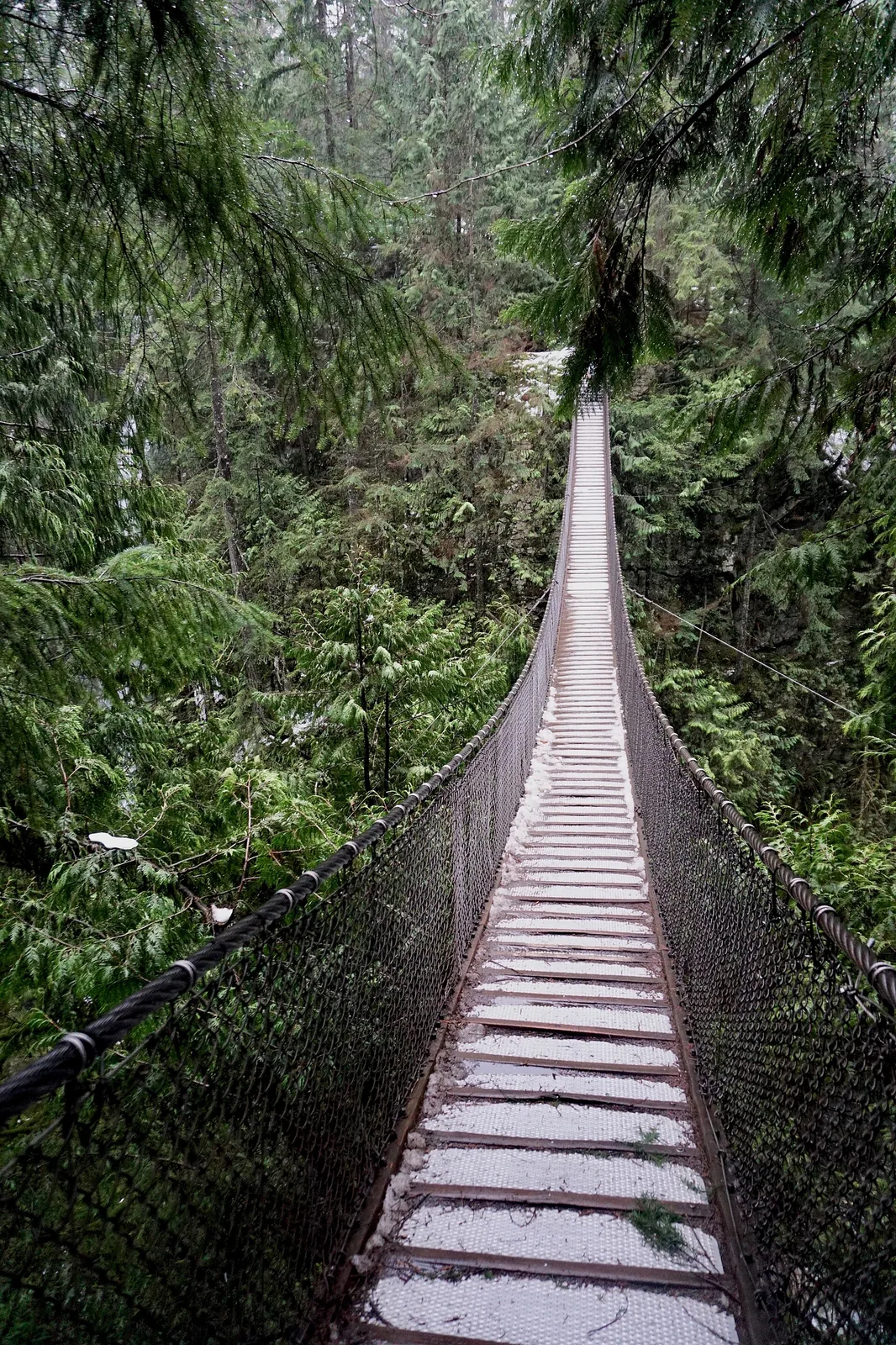
Medical caution around pregnancy and high-fall or trauma-risk activities is broader than bungee alone. Consumer health guidance on exercise in pregnancy typically steers people away from sports where falling or abdominal trauma is a major risk.[4] Bungee is engineered to prevent ground impact, but it is still a high-G, high-startle, harness-compressed event. No responsible article - including this one - can invent a safe gestational week for commercial freefall.
What about “rare exceptions”? You may hear of private stunts, misinformed operators in weakly regulated markets, or people who jumped before knowing they were pregnant. Those anecdotes are not protocols. An exception in the wild is often a failure of screening, not a carefully designed medical pathway. If a company offers to “make an exception” for a pregnant guest, treat that as a red flag about their whole safety culture, not as VIP service.
If you are trying to conceive or could be pregnant, take waivers seriously when they ask. If you discover a pregnancy after a jump, contact your clinician with the facts rather than doom-scrolling. If you are booking a honeymoon adventure and pregnancy is possible, choose activities with clearer pregnancy-safe profiles and keep bungee for a later chapter.
Partners and friends: do not tease a pregnant person about missing the jump. The deck will still be there. The pregnancy timeline will not rewind for a group discount. Celebrate the trip’s other joys - views from solid ground are still views.
Most bungee operators say no to pregnancy because the ethical and medical math is simple: the upside is a story; the downside is unacceptable. Rare exceptions do not rewrite that math. Choose the operators who refuse you kindly, and save freefall for a time when the harness holds only the person who signed the waiver.
Commercial pressure can muddy the message. A travel group may have prepaid a package. A partner may have planned the freefall as a centerpiece. None of that renegotiates anatomy or duty of care. Reputable companies would rather refund, rebook for later, or convert the booking to a spectator experience than accept a pregnant jumper. If you encounter pushback for choosing not to jump, that social dynamic is the problem - not your caution, and not the operator who enforces the rule without drama.
For operators and marketers, clarity prevents harm. Put pregnancy exclusions in large type before payment, not only in a PDF waiver at the edge when emotions are already high. Train staff to refuse warmly and consistently. Never joke that someone does not look pregnant. Never encourage concealment to keep a group discount intact. The rare viral exception is not a growth channel; it is a warning light about markets with weak oversight and weaker ethics.
If freefall is a long-held dream, it can wait beside other deferred adventures without becoming a symbol of loss. Pregnancy and postpartum life rewrite timelines for many sports. The bridge will still be high. The cord will still stretch. What will not be available again is this particular season of creating a human. Choosing not to jump is not the opposite of adventure. Sometimes it is the most precise risk decision you will ever make on a trip that can still be full of other carefully chosen joys.
Postpartum return-to-sport questions are related but separate. After birth, ask a clinician when high-impact and harness-compressed activities are appropriate for your recovery, especially after cesarean birth or pelvic floor injury. Do not treat a cleared six-week checkup as automatic permission for freefall; bungee is a specific load pattern. Operators may still apply their own wait periods. Patience here is not timidity - it is how you keep both long-term health and future adventure on the table without turning a healing body into a content deadline.
Sources
- UK Bungee - pregnancy exclusion (2025)
- Bungee Jump Scotland - pregnancy policy (2025)
- 007 Bungy - pregnant women excluded (2025)
- Speaking of Women’s Health - exercise cautions in pregnancy (2016)
Image credits
- Photo: kallerna / Wikimedia Commons (CC BY-SA 4.0)
- Photo: kallerna / Wikimedia Commons (CC BY-SA 4.0)