The evening after a bungee jump can feel oddly loud inside a quiet body. Adrenaline has mostly left the building; residual muscle tension, emotional afterglow, and the day’s logistics remain.[1] A recovery walk and gentle stretching are not athletic punishment. They are a soft landing for a hard thrill.
Commercial jumps are short, but harness pressure, inverted moments, and full-body bracing still leave marks - sometimes as mild soreness, sometimes as a restless mind that will not sit still.[2][3]
Why walking helps
Easy walking supports circulation, gives stiff hips and calves a chance to move through range, and offers a low-demand rhythm after a high-demand day. Public health guidance has long treated walking as a simple wellbeing tool; after adventure sports it is also a nervous-system downshift - scenery without a countdown.[4]
Keep it flat or gently rolling. Twenty to forty minutes is plenty for most people. Leave the hill sprints and “earn your dinner” mindset for another week.
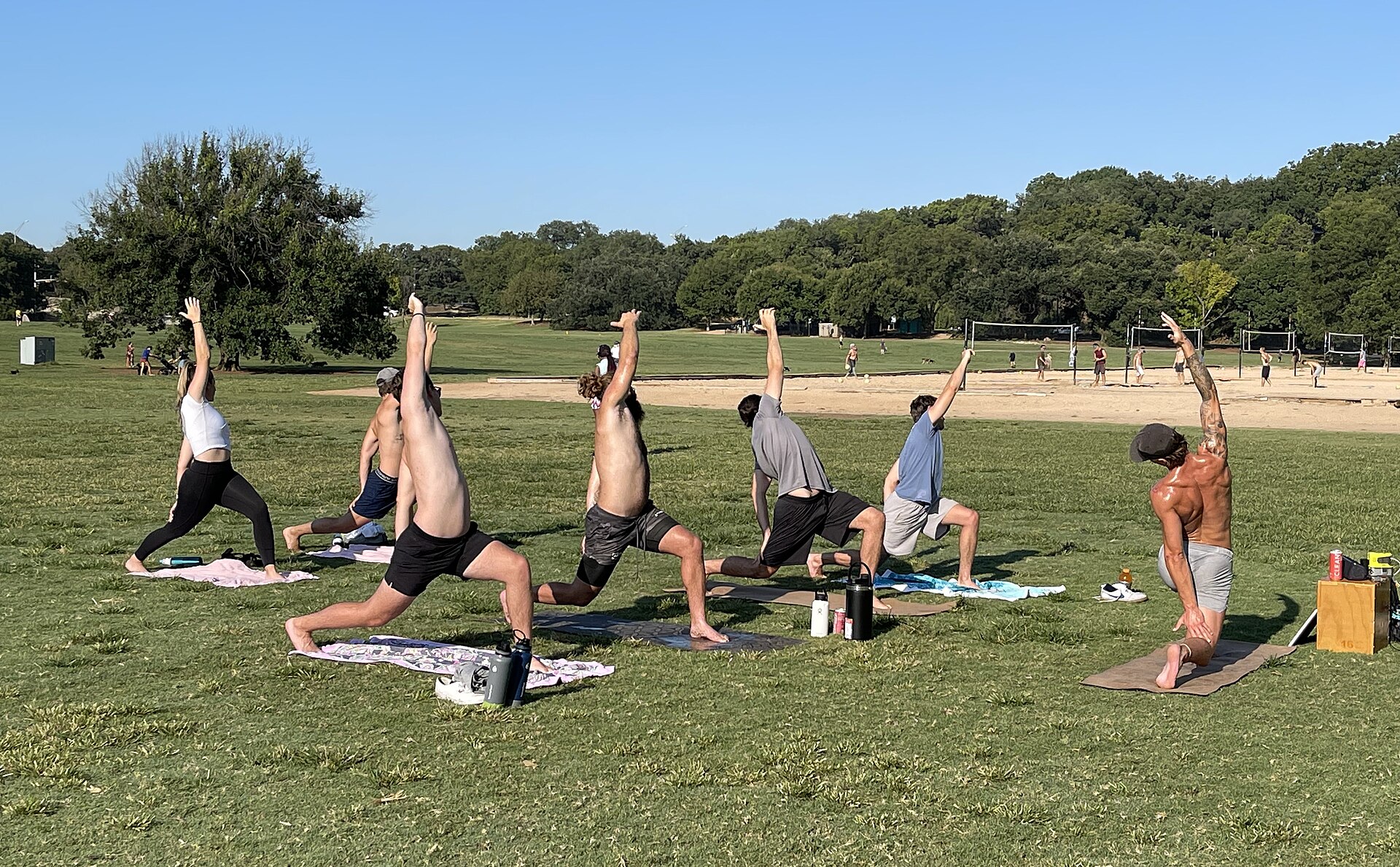
Gentle stretching, not a yoga exam
Focus on areas that commonly feel odd after freefall and rebound: calves, hamstrings, hip flexors, chest, and neck. Move slowly. Breathe. Stop at mild stretch sensation - pain is a hard stop. Inversions and neck craning for views can leave upper traps grumpy; slow shoulder rolls and supported neck mobility often feel better than aggressive pulls.[3]
- Standing calf stretch against a wall
- Seated or standing hamstring hinge with a soft knee
- Figure-four hip stretch on the floor or bed
- Doorway chest opener after harness compression
- Diaphragmatic breathing for two quiet minutes
What to skip the same evening
Heavy lifting, intense core work, deep backbends, and alcohol-as-recovery are poor partners for a body that already had an unusual day. If anything feels sharp, asymmetric, or neurologically strange - numbness, severe headache, visual changes - seek medical advice rather than stretching harder.[3]
Pair movement with basics
Hydrate, eat a normal meal with protein and carbohydrates, and protect sleep. The walk is optional if weather or injury says no; rest is never optional. Some jumpers prefer a hot shower before the stroll; others walk first and stretch after. Either sequence works if intensity stays honest.[1][4]
Emotional recovery on foot
Talk the jump through with a friend while you walk, or stay silent and notice ordinary sounds. Both are valid. The goal is integration: your brain filing freefall under “I did that” instead of replaying the edge at 2 a.m. without context.[1]
By bedtime, you want a body that feels used, not punished, and a mind that has taken a few steps back toward everyday scale. Tomorrow can hold bigger adventures. Tonight only needs gravity to feel friendly again.[2]
If you are traveling, choose a familiar loop near your lodging rather than a navigation puzzle. Cognitive load after adrenaline spikes is real; save complex city routes for a fresher morning. Comfortable shoes from your jump day still apply - blister care is not a badge of honor.
Couples and groups can walk together without turning recovery into a debrief competition. Agree that nobody has to perform how “fine” they feel. Shared pace, shared quiet, and an early night often beat a loud celebration that steals the sleep your tissues wanted.[1][4]
Sources
- Medical News Today - adrenaline and thrill-seeking recovery context (2021)
- AJ Hackett Bungy NZ - jump-day expectations (2026)
- XINSURANCE - residual physical risk awareness (2023)
- NHS - benefits of walking for general wellbeing (2026)
Image credits
- Photo: Zach Dischner / Wikimedia Commons (CC BY 2.0)
- Photo: Vuemobi Media / Wikimedia Commons (CC BY-SA 2.0)