The night before a bungee jump, sleep becomes a personality test people fail with honor. Anticipation is stimulating; hotel pillows are foreign; your brain helpfully rehearses freefall at 1:00 a.m. The goal is not Olympic recovery. The goal is enough rest to be a cooperative, honest participant tomorrow.[1][3]
Set a wind-down window, not a perfect bedtime
Give yourself 45–60 minutes of dimmer lights, slower inputs, and no planning arguments. Lay out clothes, charge devices, confirm pickup times earlier in the evening so bed is not an admin office.[1]
Caffeine, alcohol, and late feasts
Cut caffeine earlier than usual if you are sensitive. Alcohol may make you drowsy then fragment sleep - a poor trade before a judgment-and-coordination morning. Keep dinner satisfying but not heroic.[2][1]
Anxiety tools that do not require enlightenment
Write a one-page brain dump: fears, logistics, questions for staff. Close the notebook. Try a body scan or slow breathing - four counts in, six out - without demanding instant calm. Watch a familiar show, not horror or doomscrolling freefall fails.[4]
If sleep is still bad
You can jump after a mediocre night if you are otherwise well - many people do. What you should not do is stack a terrible sleep with heavy stimulants, skipped breakfast, and denial about feeling awful. Tell a friend; move gently; keep caffeine modest. If exhaustion is extreme or you feel unwell, rescheduling is a professional choice, not a moral failure.[3][2]
Wind-down routines are hospitality for your future self on the platform. Be boring tonight so tomorrow can be vivid for the right reasons.[1]
Sources
- CDC - Tips for better sleep (2024)
- NIH / NHLBI - Sleep deprivation and deficiency (2024)
- AJ Hackett Bungy NZ - preparing for jump day (2026)
- Medical News Today - arousal and anxiety patterns (2021)
Image credits
- Photo: Linn, Royan M., photographer; J.B. Linn & Co., photographer / Wikimedia Commons (Public domain)
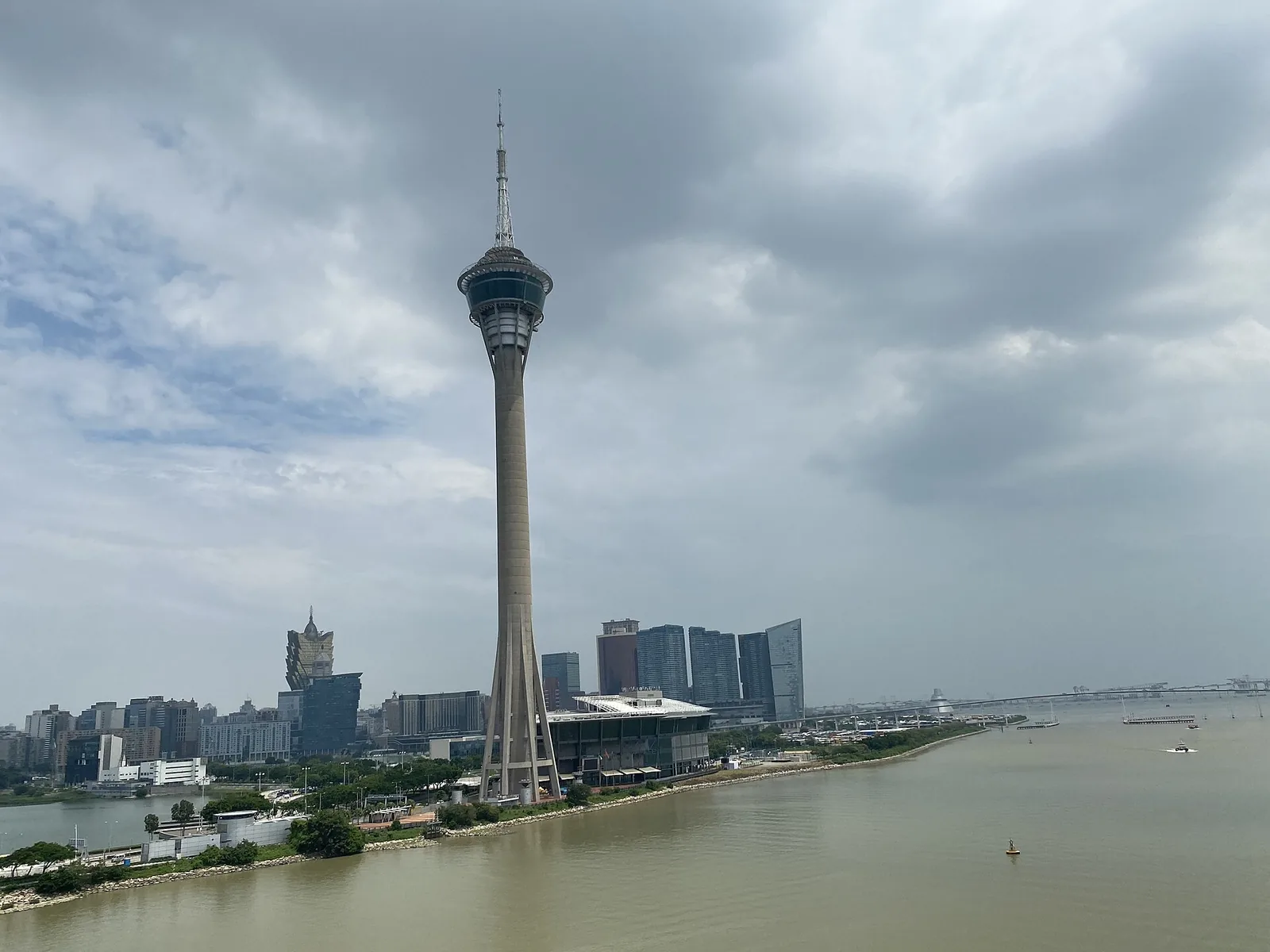
- Photo: LN9267 / Wikimedia Commons (CC BY-SA 4.0)