Africa does not dabble in half-measures when it comes to bungee. The continent’s signature jumps are framed by canyons, rivers, and waterfalls that make the freefall feel like a scene rather than a sports product. For many travelers, the first image of African bungee is the arch of Bloukrans or the spray of Victoria Falls - and those classics still define the map. But the story is wider now: operators refine systems, secondary sites appear, and domestic thrill-seekers treat high bridges the way Europeans treat ski resorts.
Start with the heavyweight. Bloukrans Bridge Bungy, run by Face Adrenalin on South Africa’s Garden Route, is one of the world’s highest commercial bridge jumps at 216 metres (about 709 feet) above the Bloukrans River.[1] The operation has been commercially active since 1997 and markets a long safety record alongside the raw height of the plunge.[2] What makes Bloukrans special is not only the number on the ticket. You walk out onto a structure that already feels exposed; the gorge swallows sound; the cord does the rest. It is a classic because the setting is honest - no theme-park framing, just air and rock.
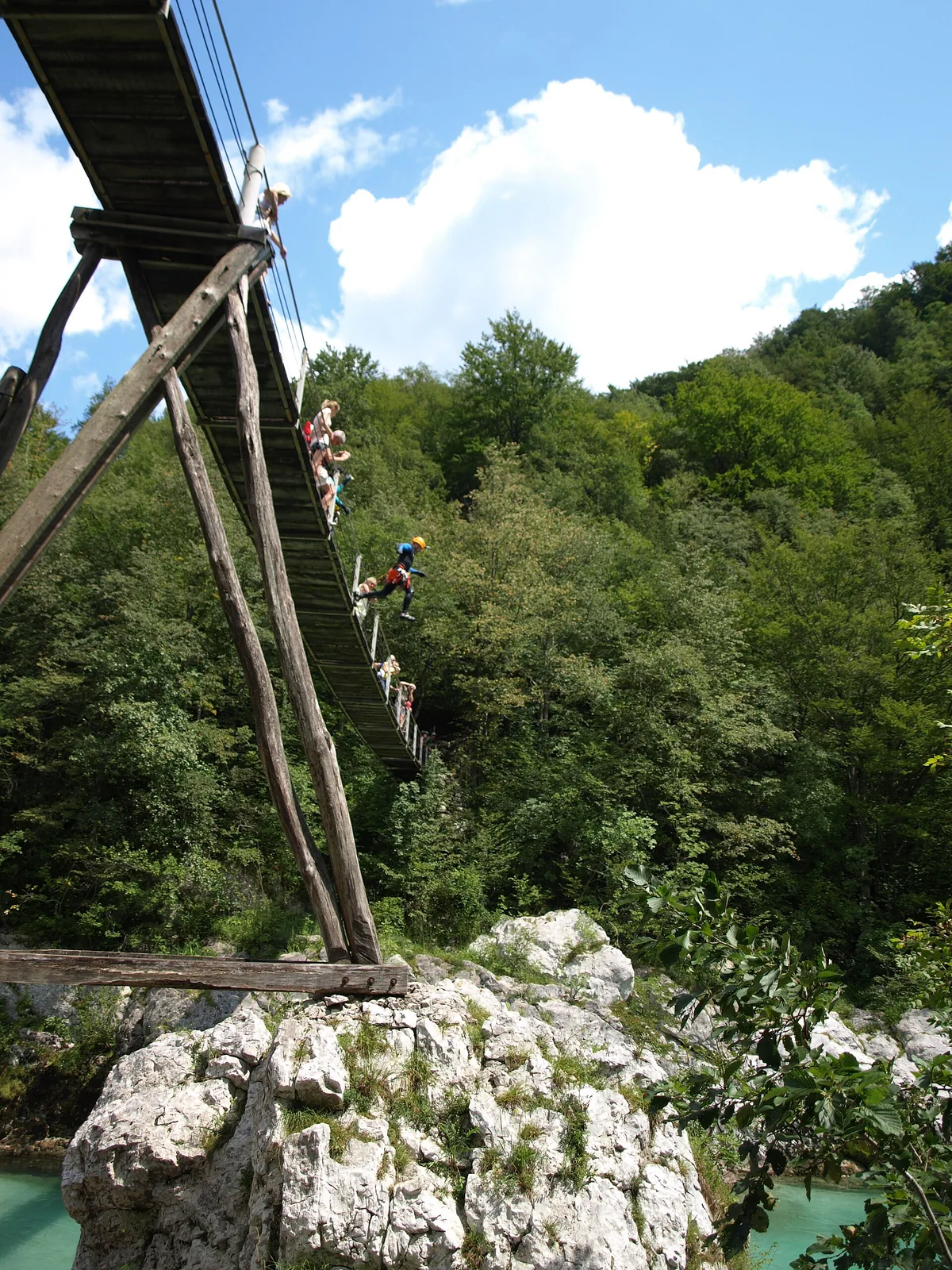
Victoria Falls sits in another category of drama. The jump from the Victoria Falls Bridge, commonly associated with Shearwater operations, is often listed at about 111 metres above the water, with daily schedules, weight bands, and minimum ages that serious operators publish openly.[3][4] You do not need a marketing department to sell the view: the Zambezi gorge, the roar of the falls in high season, the sense that you are jumping between two countries’ postcard. For many visitors, the bungee is one line item in a longer itinerary of rafting, gorge swings, and sunset decks - Africa’s “adventure cluster” model in miniature.
Those two sites are the headlines, but Africa’s bungee culture is not a two-item list. South Africa has long hosted additional bridge and crane-style products around major tourism corridors; East and Southern African hubs rotate operators as tourism seasons shift. Uganda’s Nile corridor has been associated with adventure sports more broadly, and travelers increasingly ask whether a bungee can be combined with whitewater or wildlife days rather than treated as a standalone pilgrimage. Emerging does not always mean brand-new concrete. Sometimes it means a mature operator opening a second platform, a municipal bridge gaining a seasonal permit, or a safari-town company adding a lower “first jump” option for guests who are not ready for 200-metre freefalls.
Planning African classics rewards the same habits that protect you anywhere. Confirm who holds the operating rights for the exact structure you will stand on. Read weight and medical exclusions before you book flights. Check whether your package includes photos, a second jump discount, or a bridge swing alternative if you back out - common commercial patterns at high-volume sites. At Victoria Falls, allow time for border and bridge logistics; at Bloukrans, factor Garden Route weather and peak-season queues. Height photographs poorly; wind and cloud matter more than Instagram.
There is also a cultural texture that pure “top ten” lists miss. African bungee destinations often sit next to communities that live with tourism’s boom-and-bust cycles. Choosing operators who employ local crews, maintain transparent safety briefings, and do not pressure intoxicated guests is not only ethics - it is risk management. The best African jumps feel like controlled wilderness theatre: you are a guest in a dramatic landscape, not a customer in a mall atrium.
If you are building a first African bungee trip, pick one classic and give it room. Bloukrans for pure bridge height and Face Adrenalin’s long track record; Victoria Falls for waterfall context and multi-activity packages. Then, if the bug bites, research secondary sites through recent operator pages and traveler reports rather than decade-old ranking posts. Classics earn their status for a reason. Emerging locations earn yours only when the rope, the crew, and the geology all agree.
In the end, African bungee is a geography lesson delivered at terminal velocity. The continent’s bridges and gorges turn freefall into story, and the smartest jumpers treat that story with respect - for the height, for the people who run the decks, and for the landscapes that make the leap unforgettable.
Photography and memory-making at African classics deserve intention too. Many guests buy site media packages; others prefer a friend on the deck. Either way, put the phone away for one full bounce if you can - the Zambezi gorge and Bloukrans void are worth experiencing without a screen intermediary. When you do share the story later, credit the crew and the place, not only your courage. African freefall is a collaboration between landscape, labor, and a visitor who chose to trust both for a few elastic seconds that will outlast any caption.
Sources
- Face Adrenalin - Bloukrans Bungy (2026)
- Wikipedia - Bloukrans Bridge Bungy (2025)
- Shearwater Bungee - Victoria Falls Bridge (2026)
- Victoria Falls Guide - Bungee Jumping (2025)
Image credits
- Photo: Murray Foubister / Wikimedia Commons (CC BY-SA 2.0)
- Photo: Marjolein from The Netherlands / Wikimedia Commons (CC BY 2.0)