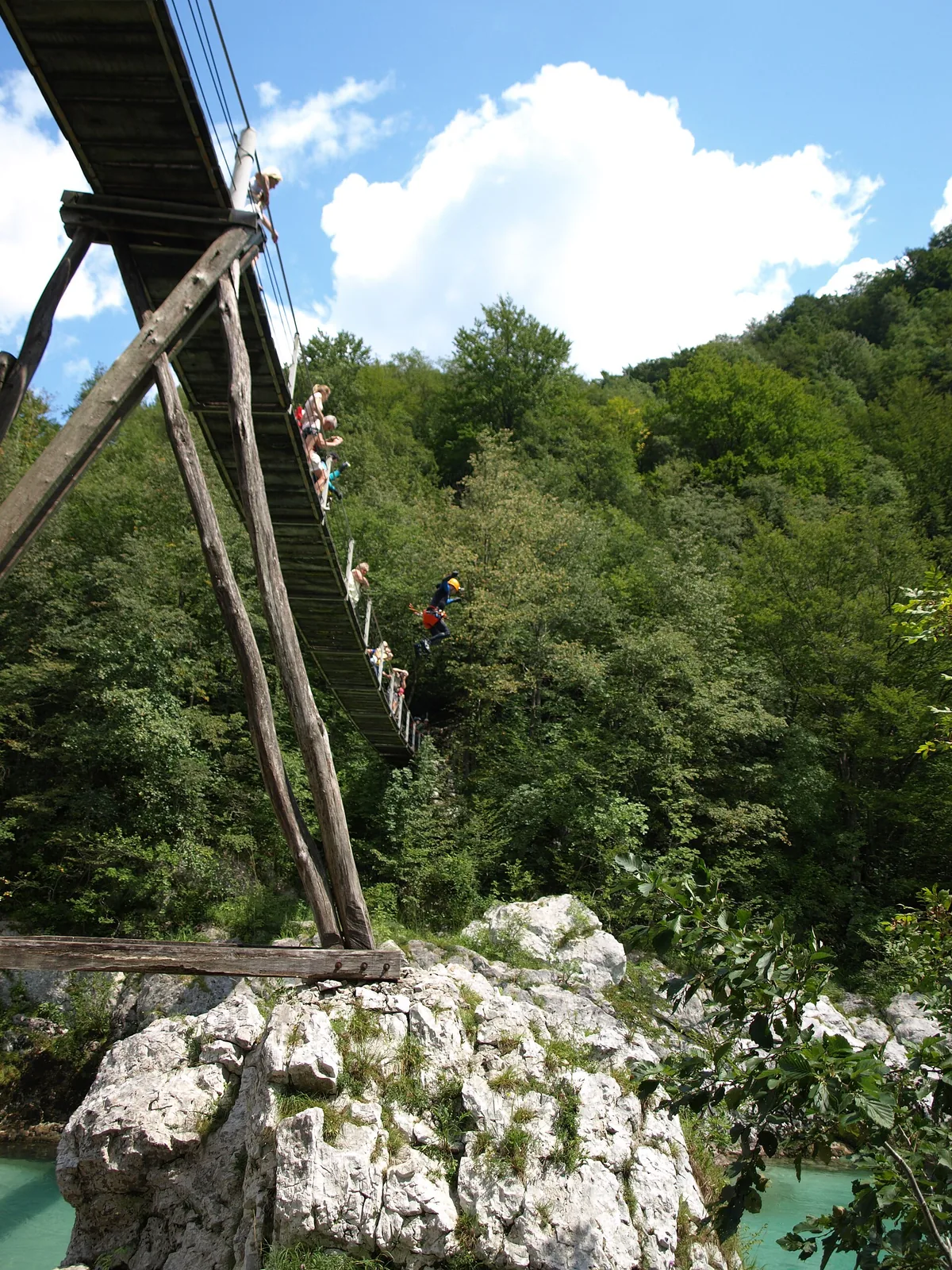
Ask for “bungee in Asia” and one silhouette usually appears first: a soaring tower, a harbor, a leap that looks like a movie establishing shot. That fame is earned. It is also incomplete. Across the continent you will find bridge jumps, island operations, mountain sites, and hybrid adventure parks that reward travelers willing to look past the single most obvious postcard.[1][2]
This is not a claim that every roadside crane with a rope is a good idea. “Best” here means memorable setting plus a serious safety culture you can verify - not merely a low price and a viral clip.
The famous benchmark (and why it still matters)
Macau’s tower bungy, operated in the AJ Hackett tradition, remains a global reference for high commercial jumps: urban drama, professionalized procedures, and a brand lineage that helped standardize modern bungy tourism.[1][2] Even if you ultimately jump elsewhere in Asia, studying how a top-tier site runs briefings, cord control, and tourist flow gives you a quality bar.
Looking beyond the one skyline
Southeast Asia adventure circuits often pair bungy-style products with beach and island tourism - convenience that can be wonderful when the operator is transparent about training, equipment inspection, and insurance, and worrisome when marketing outruns infrastructure. Mountain and gorge regions in parts of South and East Asia advertise bridge leaps with huge visual payoff; your job is to interrogate recency of reviews, staff communication quality, and whether weight/medical rules sound specific or improvised.
Japan, South Korea, and other highly regulated environments may offer fewer “wild west” options and more constrained, well-supervised experiences - sometimes as reverse bungee rides or tower products rather than classic ankle-cord gorge jumps. Match the product to the sensation you want.
How to vet any Asian (or any) bungy site
Ask who manufactures or certifies equipment, how often cords are retired, what the guide-to-jumper workflow is, and what happens in a medical incident. Prefer operators who publish clear limits and answer detailed email questions without defensiveness. International adventure tourism standards exist to push consistency in risk management; even when a site is not formally certified, the themes - competent staff, maintained gear, informed consent - still apply.[4]
Read recent jumper reports for the boring details: Did weigh-ins happen? Did staff check harnesses in a calm, repeatable way? Were alcohol rules enforced? Boring is beautiful in extreme sports.
Build a trip, not only a jump
Asia’s advantage is density of culture around the thrill. Pair a verified jump with food neighborhoods, ferries, temples, or mountain trails so the freefall is a chapter, not the only plot. Mind visas, seasons, monsoon patterns, and travel health prep as you would for any cross-border adventure.[3]
The best bungee spots in Asia beyond the obvious ones are the sites that still feel special after you have asked unromantic safety questions - and gotten adult answers. Seek awe. Demand process. Then step off only when both are present.
Practical travel notes and emerging alternatives
Beyond flagship towers, travelers report compelling jumps and bungy-adjacent thrills in adventure belts tied to backpacker routes, resort islands, and mountain gateway towns. Treat each claim as a lead to investigate, not a guarantee. Ownership changes, seasonal closures, and regulatory crackdowns can retire a “famous” site between blog updates.
Language access is part of safety. If briefings are not in a language you understand well, you need a certified translation process or a different operator. Nodding through a safety talk you did not comprehend is not cultural flexibility; it is avoidable risk. Prefer sites that examine understanding, not only signatures.
Money handling and deposits vary. Use payment methods with buyer protection when possible, and beware deals that undercut local norms by huge margins. Ultra-cheap extreme sports are a classic red flag for deferred maintenance. Price is not virtue, but inexplicable bargains deserve skepticism.
Pair geography with complementary experiences: harbor food streets after an urban tower jump; reputable canopy walks near inland sites; temple mornings that slow your nervous system the day before freefall. Asia’s density lets you build contrast into a short itinerary if you do not overschedule.
The continent’s best leaps are the ones you can defend to your future self: verified operator, clear limits, setting that moved you, and a trip that still had room for the ordinary wonders that do not require a cord. Go beyond the obvious skyline - with standards that remain obvious every time.
Sources
- AJ Hackett - international bungy network including Macau (2024)
- Macau Tower / AJ Hackett commercial bungy context (2025)
- UN Tourism / destination planning mindset for adventure travel (2024)
- ISO adventure tourism standards overview (safety culture reference) (2014)
Image credits
- Photo: This Photo was taken by Wolfgang Moroder. Feel free to use my photos, but please mention me as the a / Wikimedia Commons (CC BY-SA 3.0)
- Photo: Marjolein from The Netherlands / Wikimedia Commons (CC BY 2.0)