Queenstown did not become "adventure capital" because a slogan stuck. Steep relief, a lake, ski and river pioneers, airport access, and a town that sold ticketed thrills on purpose did the work.
Commercial bungy at Kawarau Bridge in 1988 made freefall a bookable product. That accelerated everything already pointing vertical.[1][2]
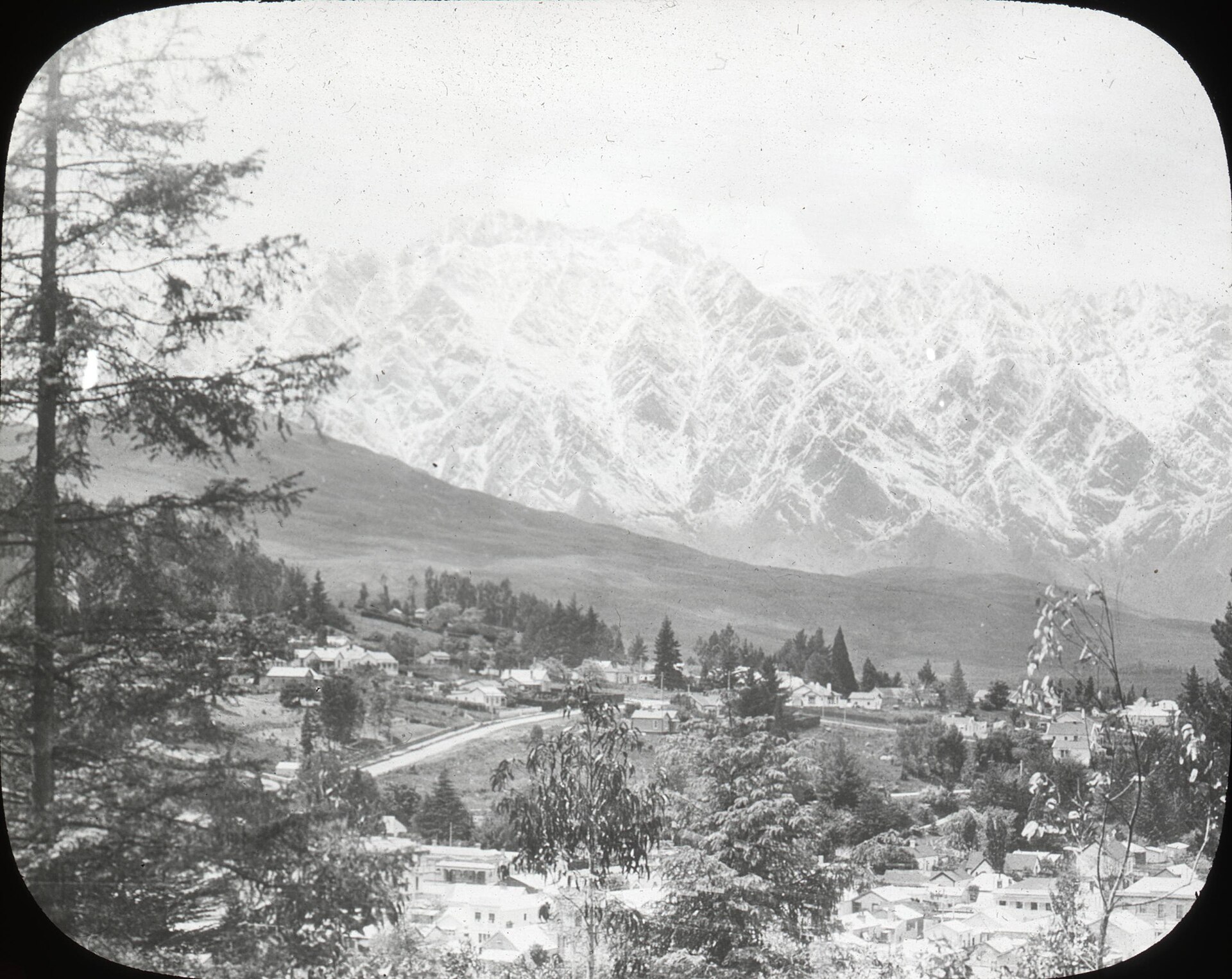
The landscape came first
Glaciers and rivers cut the basin. Lake Whakatipu and steep walls give operators height and water in the same postcard. Early visitors already came for scenery. Later businesses productized the drop: jumps, swings, jet boats, rafts.[1]
Getting there used to be hard. Māori routes, gold rushes, and mountain travel built a culture of practical risk long before latex cords. Tourism boards retell that arc for a reason - the topography is real, not invented for Instagram.[1]
Ski, jet boats, rafts - then bungy
Coronet Peak's commercial ski era, Bill Hamilton's jet-boat work, and 1970s whitewater rafting put paid thrills on the map before freefall tickets. Queenstown stacked "firsts" in winter and river sports, then added gravity products.[1]
On 12 November 1988, A.J. Hackett and Henry van Asch opened commercial bungy at the historic Kawarau Bridge. Locals treated it as a fad. Travelers treated it as a checklist item. The brand stuck.[1][2]
Why the label lasted
Infrastructure followed demand: more operators, training paths, multi-activity days, international flights into a small town built for short stays. One jump became a weekend of add-ons. Competitors clustered instead of scattering across the South Island.
New Zealand also built adventure-activity regulation - safety audits and registration under WorkSafe rules for covered activities. That does not make risk zero. It does mean serious operators expect paperwork, not just vibes.[3]
If you are planning a first trip: first-timer day, 48-hour outline.
What the slogan leaves out
Crowds in peak season. Weather holds. Prices that match the brand. Queues that feel like theme parks. The "capital" title is marketing that happens to sit on real geography and real company history - not a guarantee your Tuesday will be spiritual.
Treat it like a dense adventure hub: book known operators, read medical lists, leave slack for wind and rain.
Bottom line: Queenstown earned the adventure-capital reputation with terrain, early commercial thrills, and 1988 bungy that scaled freefall into tourism. Visit for process and options - not for a slogan.
Sources
- Queenstown NZ: How Queenstown became the adventure capital of the world
- NZ History: AJ Hackett Eiffel Tower jump and commercial bungy era
- WorkSafe NZ: Adventure activities documents and resources
- AJ Hackett Bungy NZ: commercial Queenstown operations
Image credits
- Photo: Steve Collis from Melbourne, Australia / Wikimedia Commons (CC BY 2.0)
- Photo: OSU Special Collections & Archives : Commons / Wikimedia Commons (No restrictions)