A corporate bungee day works when jumping is optional, the operator is real, and nobody's promotion is tied to stepping off a platform. It fails when "team-building" means mandatory thrills and a careers-page photo.
If you're organizing the offsite, run it like an activity people can skip - not a test.
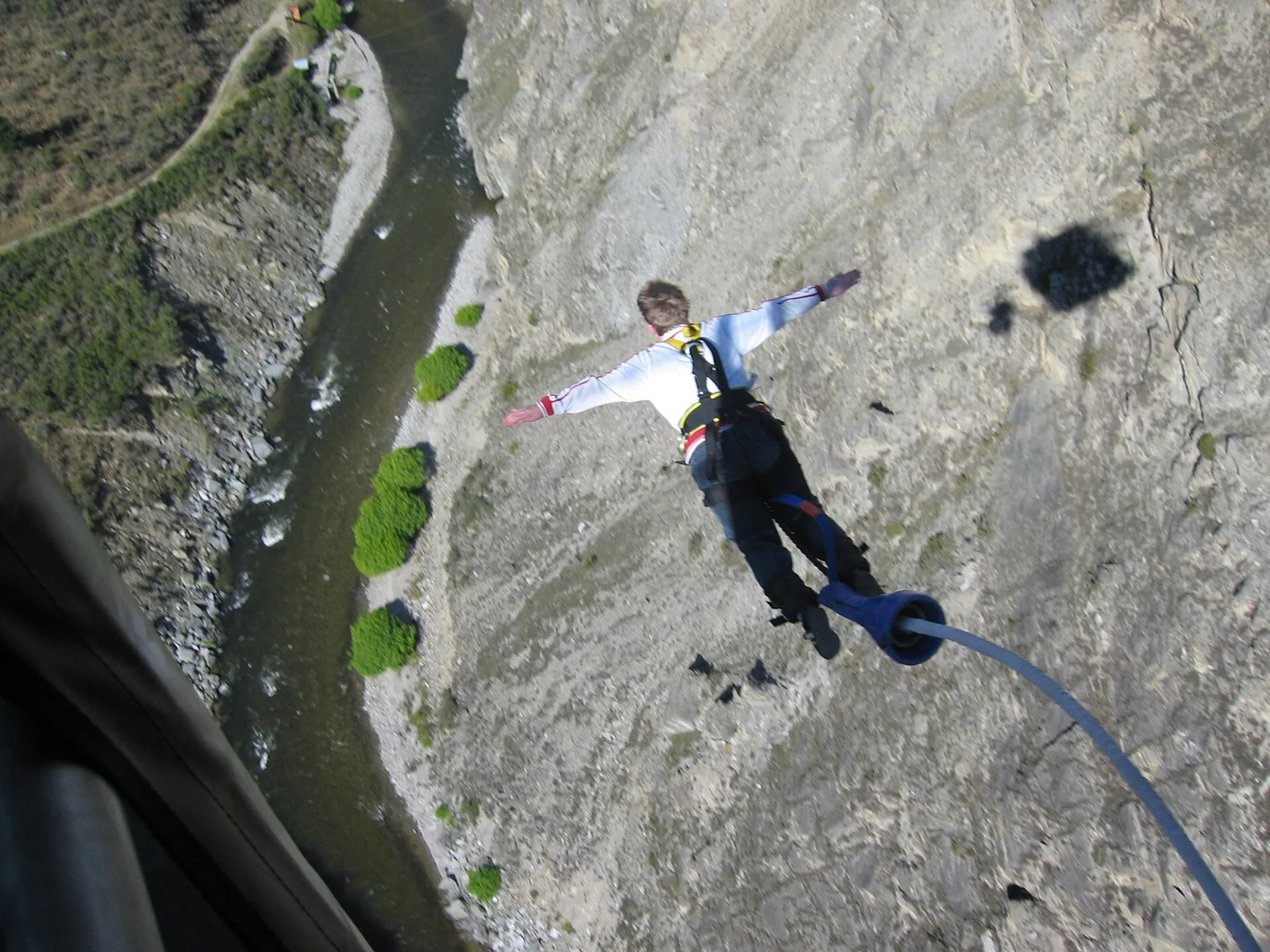
When a company bungee day is a bad idea
Don't book it if leadership will joke about who "wants that promotion," if only jumpers get the cool dinner seating, or if medical and weight limits will quietly sort people into winners and leftovers. Not every body meets commercial bungy ranges, and operators will turn people away for good reasons.[1]
Workplace stress research is boring and useful here: people do worse when they feel forced into "fun" that threatens status or health.[2] Forced freefall is not culture. It's a liability meeting with snacks.
When it can work
Smaller cohorts. Written optional language. A second track that isn't a parking lot - workshop, strategy block, scenic walk, or a lower-intensity activity the same operator or venue sells. Commercial adventure brands already run multi-activity menus; use that instead of one product for forty people.[3]
Group rates and staggered slots exist if you book early and talk to the site like adults.[1] Big groups can eat half a day - Canyon Swing-style trips alone can run 2–2.5 hours with advance setup for parties over ten.[4] Don't stack a high-stakes presentation for the same people an hour later.
What to put in writing before anyone books
- Jumping is optional and not part of performance review
- How to opt out without a group explanation
- Who pays (company ticket vs personal extras)
- Weight/medical rules live on the operator's site - individuals deal with the operator, not the manager chat
- Cancel and weather rules from the operator
Bring HR or risk in early if the company is paying. Waivers and insurance are normal for adventure operators; your internal paperwork should match that, not invent a hero story after an incident.
On money splits for mixed friend/work crews, see how to split group bungee costs.
How to run the day
Book a known commercial operator with posted limits, sober check-in, and a real briefing - not a bargain platform with loud marketing.[1][3]
Managers should not rank screams or film people who are clearly not ready. Crews at serious sites don't push jumpers who want out before the countdown.[1] Your job is not to coach courage. Your job is to keep the booking clean and the optional rule real.
If you want a debrief, keep it short and operational: what slowed us down, who handled logistics, what we'd book differently. Skip the "leaps in product" metaphor if your real culture punishes mistakes. People notice the gap.
Bottom line: optional or don't book it. Real operator, written opt-out, a second track for non-jumpers, no status games. Jump rate is a bad KPI.
Sources
- AJ Hackett Bungy NZ: FAQs (weight limits, groups, alcohol, no push policy)
- APA: Healthy workplaces
- AJ Hackett Bungy NZ: commercial multi-activity operations
- Shotover Canyon Swing: group size and trip length
Image credits
- Hero image: site asset for corporate-team-building-bungee-jumping
- Photo: Che010 / Wikimedia Commons (CC BY-SA 3.0)