A hot-air balloon ride and a bungee jump both put air under your feet. That is about where the sameness ends.
A balloon is soft adventure: slow lift, shared basket, weather that can cancel you before breakfast. A bungee is a hard edge: harness, countdown, freefall you start yourself. Book the one that matches what you want from the day — not the one that looks cooler in a group chat.[1][4]
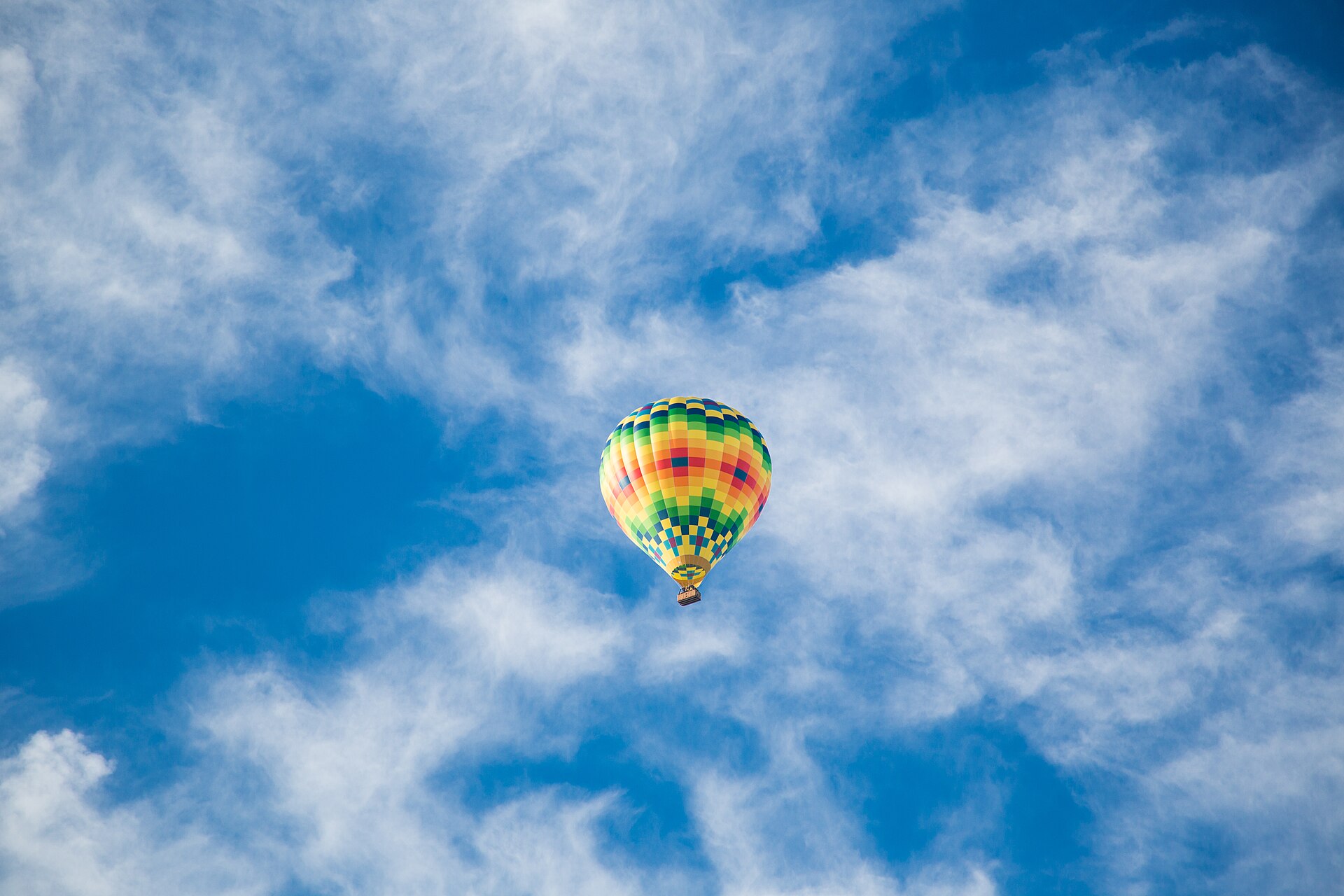
What each one actually feels like
Balloon mornings often start before dawn with a weather call. Inflation is loud. Lift is quiet. Many people who hate roller coasters still like this because nothing asks them to step into empty air. The drama is the ground peeling away and the view, not impact.[1]
Bungee mornings can feel normal until you are clipped in. Then the body invents urgency. The peak is seconds long: step, fall, stretch, bounce, get recovered. Crew walk you through checks; they do not push you off unless you ask. That decision is part of the product.[3][4]
If you want awe without a countdown, take the balloon. If you want a short courage test with a clear before and after, take the bungee.
Weather and cancel culture
Both activities cancel for conditions. Balloon operators are picky about wind, rain, storms, low cloud, and poor visibility — commercial passenger flights live under aviation-style weather discipline, and operators scrub when the morning is wrong.[2][5]
Serious bungee sites still run in a lot of rain. Strong wind, lightning, and other operational limits shut them down; if they cannot run, you should get a transfer, reschedule, or refund per their policy.[3]
Neither cancel culture is a “soft” operator. It is the job. Do not book a balloon the morning of a hard flight out if a scrub ruins your only free day.
Risk, process, and what you control
Neither is “safe because it feels gentle” or “dangerous because it looks extreme.” Residual risk exists in both. What you control is operator quality, medical honesty, and whether you show up sober and able to follow instructions.
On bungee day, reputable sites match gear to weight, double-check attachments, and refuse people under the influence of alcohol or drugs — no refund if they refuse you for that.[3] On balloon day, you are a passenger under a pilot’s call. Your main job is to listen and stay inside the basket rules.
Time, money, and memory
Balloons often take a longer block: pickup, inflation, flight, pack-up, sometimes a toast. Bungee is denser at the edge — check-in, brief, jump, media — though famous sites still eat a half day with queues and transport.[4]
Budget both in the “special outing” tier if you want licensed crews, not a mystery voucher. Memory differs too. Balloon memories are panoramic and social. Bungee memories are physical: the step, the air, the rebound, the shaky walk off.
How to choose — or do both
Choose the balloon if height bothers you mainly when there is nothing under your feet and no rail, but slow elevation feels fine. Choose bungee if you specifically want to practice a short yes on a platform with trained staff.
Sequence balloon before bungee if you want beauty first. Reverse that if you want the hard thing done so you can float afterward. Couples and mixed-nerve groups often use the balloon as the shared activity and bungee as optional.
Bottom line: balloon = soft, slow, weather-fragile float. Bungee = short freefall you start. Pick the contract with height you actually want this week. Everything else is optional.
Sources
- Balloon Federation of America: about ballooning
- FAA AIM: Visual Flight Rules basics (visibility and weather context)
- AJ Hackett Bungy NZ: FAQs (weather, process, readiness)
- AJ Hackett Bungy NZ: Kawarau Bridge Bungy
- Example operator weather cancel practice (Rainbow Ryders)
Image credits
- Photo: Arne Groh / Wikimedia Commons (CC BY-SA 3.0)
- Photo: Kupono Kuwamura / Wikimedia Commons (CC0)