If you want practice with controlled intensity, two products keep showing up: indoor skydiving and bungee. Both have briefings. Both leave first-timers shaky and proud. They are not twins.
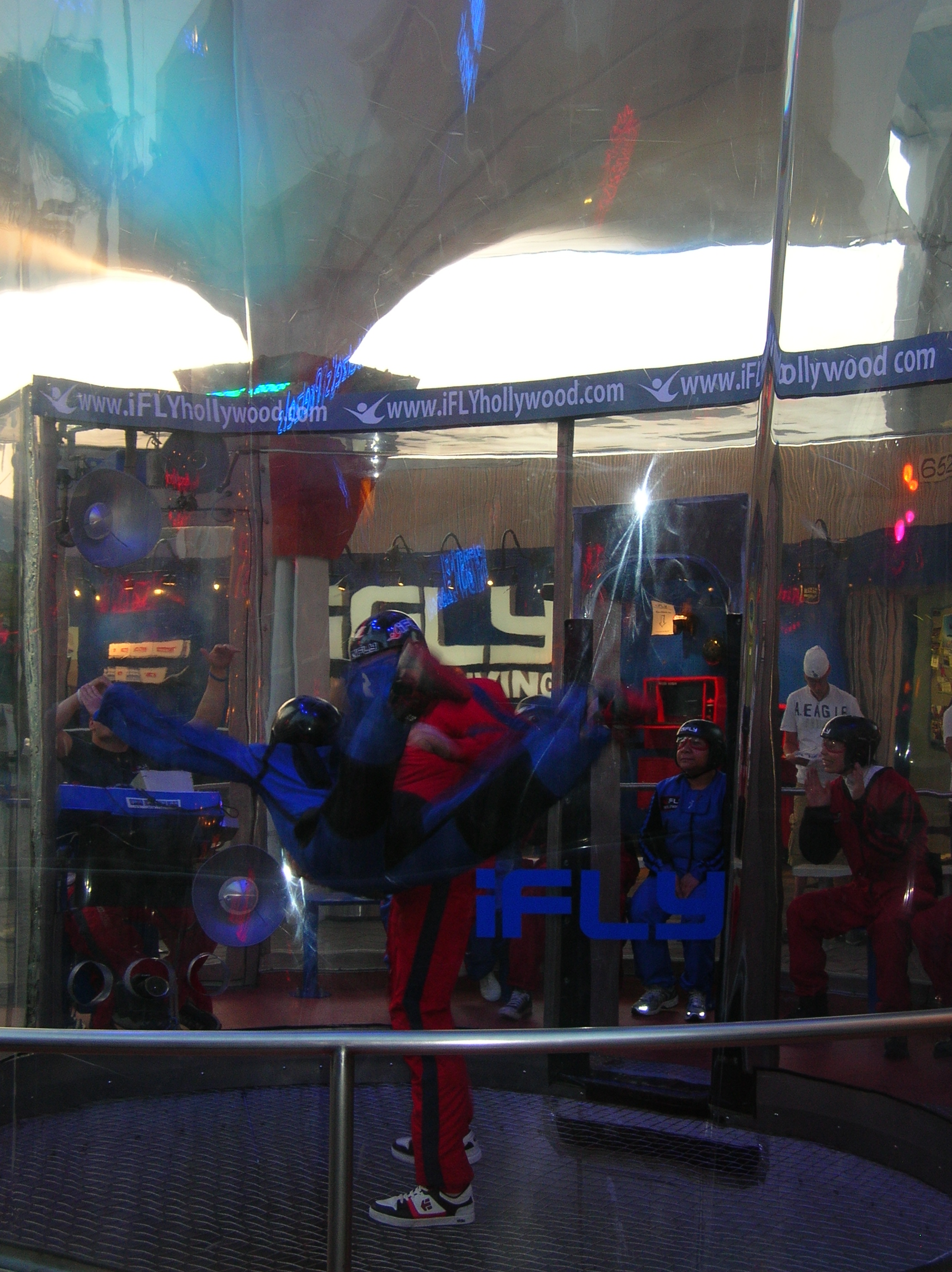
Indoor skydiving is a vertical wind tunnel. Air holds you up. An instructor is close enough to correct body position. You can stop, debrief, and fly again the same hour.[1] Bungee puts you on a platform with a cord matched to your weight and asks for one committed leave into empty air.[2] One is a skill session. The other is a decision session.
What each one trains
Tunnel time trains sensory novelty under coaching. Loud wind, weird limbs, then gradual competence. Fear often softens as skill rises. Good fit if anxiety spikes when you feel uncoordinated.[1]
Bungee trains acting while afraid under time pressure. The freefall is short. The load lives in the walk to the edge, the checks, and the countdown. You do not practice “flight technique” so much as practice leaving on purpose.[2][3]
Cost, access, and feedback loops
Tunnels are often city-adjacent, weatherproof, and repeatable. First packages can be cheaper than a flagship bridge jump, and you can return weekly.[1] Bungee is often a destination product: travel day, singular story, fewer reps.
If you want gradual exposure and reps, the tunnel wins on frequency. If you want proof you can leave solid ground on a professional deck, bungy is the cleaner test.
Honest skill transfer
Tunnel time will not teach cord stretch, rebound, or recovery-boat etiquette. It can teach breathing under noise, following instructor cues, and noticing that wild body feelings are not automatically unsafe.
Bungee will not teach stable bodyflight the way a tunnel or skydive program does. Dropzones sometimes use tunnels as training tools for freefall skills; that is a different pipeline than a tourist bungy ticket.[4]
Neither clears you medically for the other. Heart conditions, injuries, pregnancy, and operator exclusions still need honesty — not a successful hover or a short bridge jump.[2][3]
Which to book first
Book the tunnel first if you hate feeling unskilled, if heights bother you less than loss of control, or if you want a practice loop. Book bungy first if your fear is edges, commitment, and freezing — and you want a crew whose product is that exact moment.
Many travelers do both: tunnel for play, bungy for the story. Order is personal. Safety culture is not optional on either side.
Bottom line: tunnel for repeatable skill and coaching; bungy for one committed leave. Pick the fear you actually need to practice.
Sources
- iFLY: What indoor skydiving is and how flights work
- AJ Hackett Kawarau Bridge Bungy
- XINSURANCE: Bungee risks and safety tips
- Skydive Orange: Indoor skydiving as freefall training context
Image credits
- Photo: BrokenSphere / Wikimedia Commons (CC BY-SA 3.0)
- Inline image: site asset for bungee-vs-indoor-skydiving-gateway