Most first-timers rehearse freefall and forget the second act. After the cord catches, elastic energy sends you back up in a series of bounces. People who fight that — rigid, gasping, clawing toward the platform — often call the jump rougher than people who let the rebound happen.
The cord is doing its job: stretch, slow you, release, oscillate. That is the product, not a bug.[1][2]
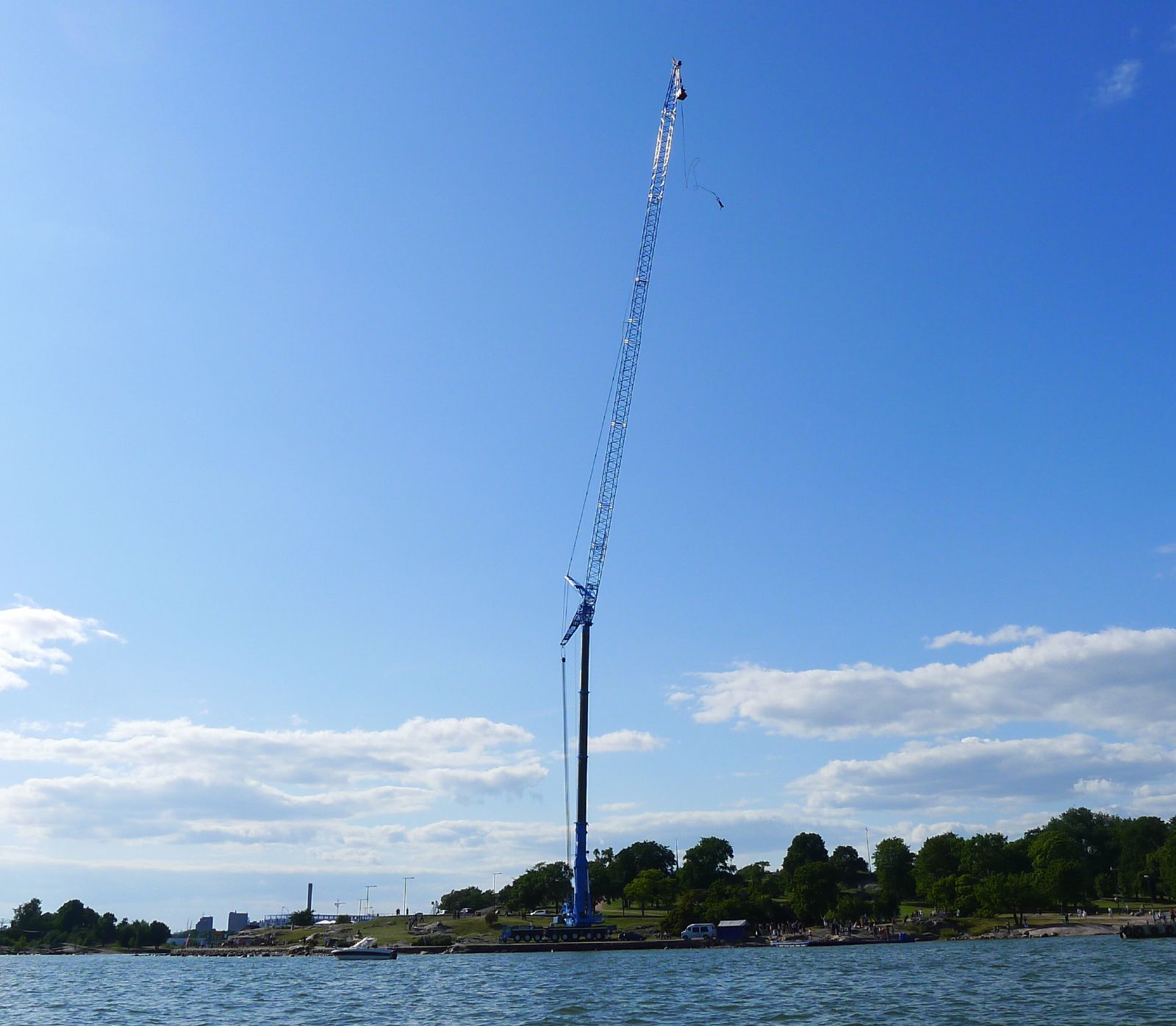
Soft body beats panic stiffness
On the catch, aim for athletic softness. Flailing does not help. Board-straight bracing makes every oscillation feel like speed bumps. Follow posture cues from staff — chin, hands, legs — because those cues match their harness setup.[3]
Breath out when you rise. A held breath turns the bounce into a chest pressure event. Eyes on the horizon on the way up can make the sky-ground swap less nauseating.
The second and third bounce are often the fun part
First rebound gets the headlines. Smaller ones are where people start laughing, waving, or noticing the gorge they freefell through too fast to see. Let amplitude shrink. Recovery boats and winches run on their timeline; you are calm cargo with manners.[2]
If hanging inverted bothers you, ask before you book how that site manages orientation and recovery. Different products bounce differently — pure bungy versus swing-style arcs are not the same ride.[4]
After the bouncing stops
Adrenaline does not quit when the cord does. Shaky legs and talking too fast are normal.[5] Do not grade the whole experience in one breathless sentence on the landing pad. Give it ten quiet minutes.
Bottom line: expect the rebound, stay soft, breathe on the way up, and treat the bounce as part of the jump. Fighting it makes the same cord feel worse.
Sources
- Wikipedia: Bungee jumping (elastic freefall overview)
- AJ Hackett Kawarau Bridge Bungy product page
- XINSURANCE: Bungee forces and risk context
- AJ Hackett: Nevis Bungy vs Swing (rebound vs arc)
- Harvard Health: Understanding the stress response
Image credits
- Photo: Ellanor / Wikimedia Commons (Public domain)
- Photo: Timo Newton-Syms / Wikimedia Commons (CC BY-SA 2.0)