There is no single global "bungee instructor card" that every country stamps. Training is real. The paperwork shape changes by jurisdiction and employer.
Training and certification for bungee jump staff usually means: a site operating manual, supervised practice until critical tasks are mastered, first-aid skills for key roles, and — where law requires it — operator registration or amusement permits that force documented training records.[1][2]
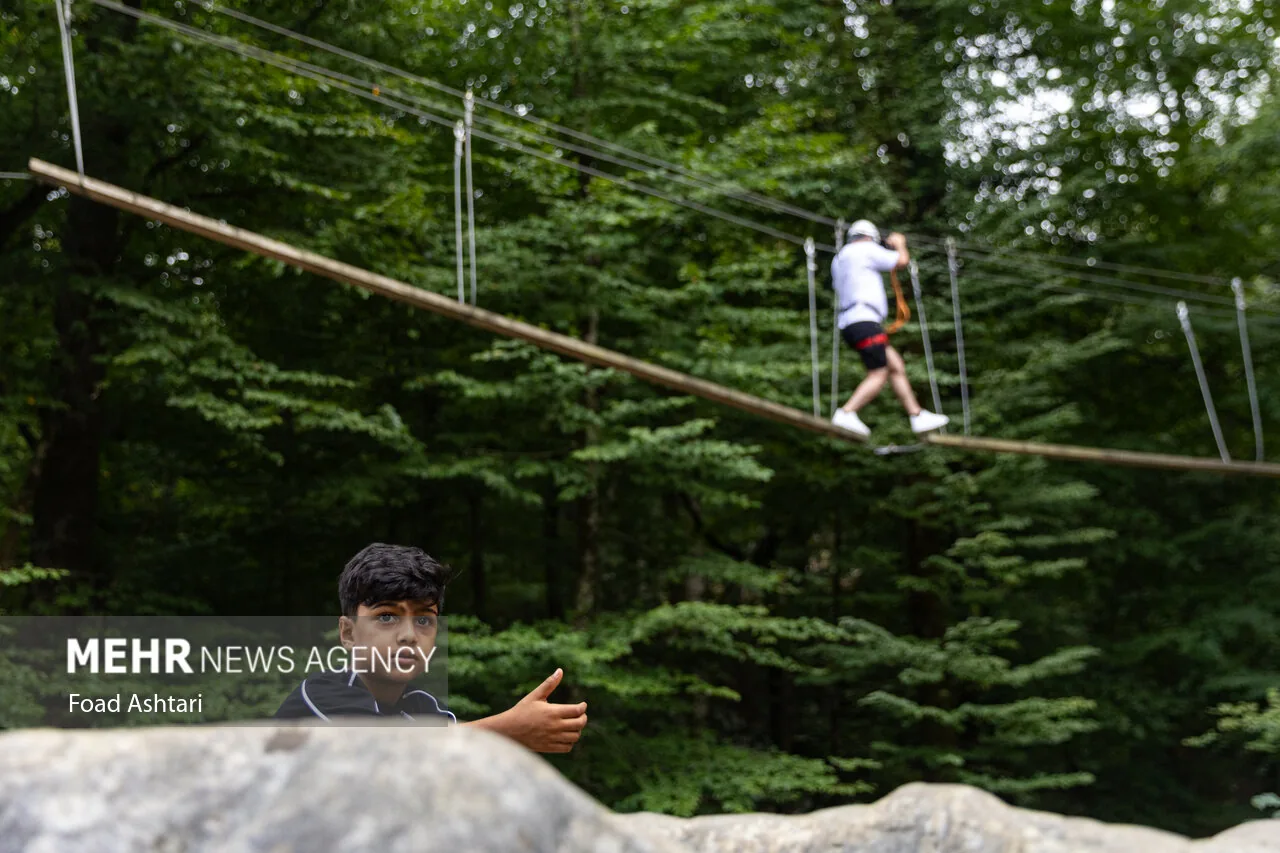
What regulated systems require (examples)
New Zealand adventure activities: Operators covered by the Adventure Activities Regulations must pass a safety audit against WorkSafe's Safety Audit Standard and register before selling activities. That is company-level assurance that a safety management system exists — not a tourist-facing diploma for each jumper's guide, but it forces process, competence, and review culture.[2]
Illinois amusement bungee code: Training for staff relative to their duties; records available on site; training under a jump master; staff in training mode supervised at all times; operating team of at least four; jump masters with first aid and CPR; emergency plan in the manual. Critical tasks (maintenance, testing, jump procedures) require mastery, not a quick shadow shift.[1]
Virginia's amusement framework is another example of minimum staffing language (site manager, jump master, ground operator present during operations) — different text, same idea that roles are defined.[3]
What good employers add
- Written checklists for open, jump, and close
- Cord life tracking and hardware retirement rules
- Scenario drills: stuck jumper, weather stop, medical event
- Fatigue rules — some codes explicitly require breaks so tired staff do not degrade the system[1]
Pioneer commercial operators have long published internal codes of practice and continuous equipment assessment as culture, even where they also sit under national rules.[4]
What you can check as a customer
Ask whether the company is registered or permitted where that exists. Watch a briefing. Watch a jump. Trained teams look rehearsed and a little bored. Untrained teams look like improvisational theater with carabiners.
More: jump master role, choosing an operator.
Bottom line: look for documented systems and supervised competence, not a magical international badge. The proof is how today's crew works.
Sources
- Illinois Admin. Code § 6000.340: Staff training, team size, first aid
- WorkSafe NZ: Adventure activities safety audit standard
- Virginia Admin. Code: Bungee management and personnel (staffing)
- AJ Hackett Bungy NZ: Safety procedures and Code of Practice history
Image credits
- Photo: Sally / Wikimedia Commons (CC BY 2.0) — hero
- Photo: Fouad Ashtari / Wikimedia Commons (CC BY 4.0) — inline