Leave if the site feels wrong before you clip in. Money already paid is cheaper than a bad jump.
Red flags at a bungee jump site are usually boring process failures, not movie villains: no real weight check, one rushed person on attachments, jokes about rules, or a crew that cannot explain how they stop for weather. Serious commercial operators talk about double-checks, weight matching, and saying no when something is off.[1][2]
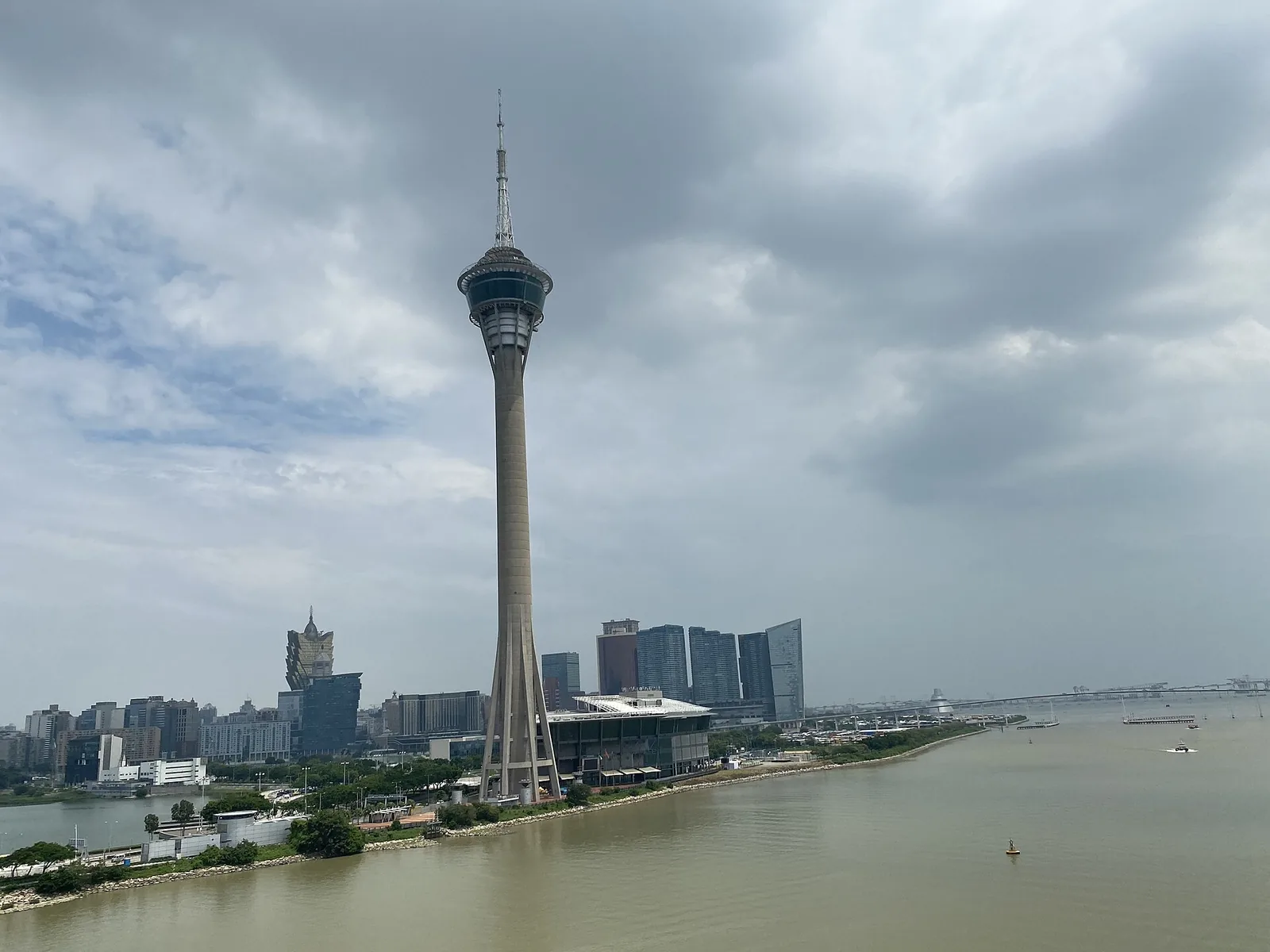
Process red flags
Nobody weighs you or treats weight like engineering. Cord and setup depend on your weight. Sites that publish product-specific min/max ranges and enforce them are doing the job. Sites that "eyeball it" or wink at lying are not.[2]
Single-person clip, no second look. You want more than one set of eyes on attachments before you leave the deck. Established operators describe multiple attachment points and re-checks as normal, not optional theater.[1]
Vague or missing medical screening. Pregnancy, heart issues, recent injuries, and impairment are standard filters. If staff skip the questions or treat them as paperwork jokes, leave.[3][4]
No clear weather or stop rules. Rain often still runs. Strong wind, lightning, and bad visibility should be able to cancel a full queue. If the answer to "what closes you?" is a shrug, that is a red flag. Some regulations put the operate/don't decision on the jump master and equipment operator with wind limits in the manual.[5]
Vibe red flags
- Staff drinking, high, or openly impaired on shift.
- Rushed, arguing, or chaotic on the platform while customers are clipped.
- "Don't worry about it" when you ask how they double-check.
- Pressure to jump so the line keeps moving, including after you say you need a minute or want out.
- Gear that looks filthy, frayed, or randomly swapped with no log culture — you will not audit a cord like an engineer, but total neglect is visible.
If a jump almost goes wrong because nobody verified the cord was attached, that is not bad luck. It is process failure. Recent reporting on a fatal rope-jump incident after instructors failed to attach the cord is a hard example of why independent checks matter.[6]
What to do when you see a red flag
Say you are not jumping. Ask for a refund or credit if that is in the terms. Leave the site. Do not negotiate with a hype squad or a sunk-cost argument in your own head.
More on picking who to jump with: choosing a reputable operator. On what good process looks like: safety standards.
Bottom line: walk away from rushed checks, missing weight and medical filters, and staff who cannot explain stop rules. Another site exists.
Sources
- AJ Hackett Bungy NZ: Is bungy jumping safe? (checks and process)
- AJ Hackett Bungy NZ: FAQs (weight ranges, day-of rules)
- AJ Hackett Bungy NZ: Safety procedures and medical considerations
- UK Bungee: Health and age restrictions (pregnancy, alcohol)
- Illinois Admin. Code § 6000.340: Bungee jumping (wind limits, jump master)
- BBC: Brazil rope-jump death after cord not attached
Image credits
- Photo: Linn, Royan M. / Wikimedia Commons (Public domain) — hero
- Photo: LN9267 / Wikimedia Commons (CC BY-SA 4.0) — inline