Budget bungee is a legitimate goal. Bargain-basement bungee is how people meet avoidable risk. The art is cutting everything that is not safety, crew competence, or the jump itself - while refusing discounts that smell like missing maintenance.[2]
Know the real cost stack
The ticket is only one line. Add transport, accommodation near the site, photos/video, meals, travel insurance with adventure cover, and the opportunity cost of a weather scrub day.[3] A “cheap” jump two expensive flights away is not cheap. A moderately priced jump folded into a trip you already planned often wins.
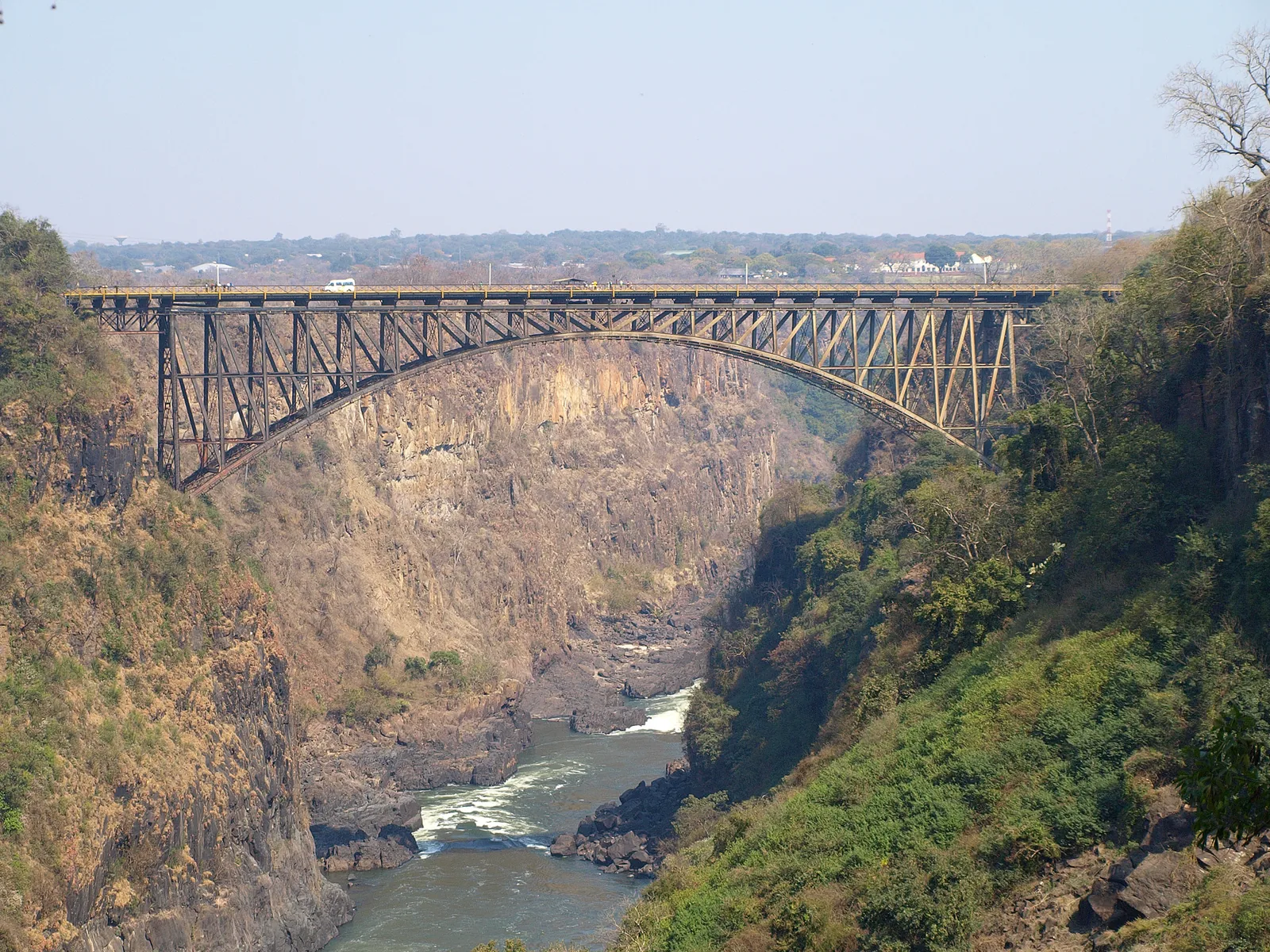
Where budgets go further without getting sketchy
Not every traveler needs the world’s highest commercial tower product on day one.[4] Regional bridges and established mid-height sites can deliver full freefall psychology at lower price points when run by professionals. Compare per-jump cost across countries you might visit anyway, not across a fantasy list of trophies.
Watch for official combos: bungy plus swing, or multi-activity passes, sometimes reduce unit price versus buying thrills à la carte - when you truly want both.[1] Do not buy a combo you will hate just to “save.”
Timing discounts and shoulder seasons
Midweek slots, shoulder months, and advance online booking can shave costs and crowds. Student, resident, or return-jumper discounts exist at some brands; ask with documentation ready. Newsletter codes are real; random QR codes from strangers at bus stations are not a procurement strategy.
What not to cheap out on
- Operator reputation and gear condition[2]
- Insurance that actually covers bungee[3]
- Weight-honest screening and medical honesty
- Enough time buffer to avoid rushed decisions
Photos are optional. Safety checks are not. Many budget travelers skip the media package, keep one friend on shore with a phone where allowed, and put the savings into a better operator or insurance.
Hidden fees and soft upsells
Read what is included: harness souvenir T-shirts, certificates, transport from town, park fees. Ask about weather refund rules before you pay. Clarify currency and card surcharges. A transparent mid-price beats a teaser price that multiplies at the counter.
A sample frugal-but-proud plan
Pick one excellent jump instead of three mediocre ones. Travel overland if it is safe and sane. Share lodging. Eat local. Jump early to reduce “we should buy more adrenaline products” drift. Celebrate with a great meal rather than a second impulse activity you cannot afford.[1]
Mindset
Budget adventure is prioritization, not entitlement to freefall at any price. If the numbers only work with an operator you do not trust, the correct budget decision is not to jump yet. Save longer. The platform will still be there - and so will your spine.[2]
When the day comes, you will not remember the coupon code. You will remember that you built a plan that respected both your wallet and your future self.
Transport hacks help more than coupon obsession. Overnight buses, ride shares with other jumpers, and lodging two towns away can cut costs if safety and sleep still work. Do not save fifty on a hotel and lose two hundred to a missed slot because your connection failed. Build a boring timeline with margins.
Food is an easy win: grocery breakfasts, big lunches at local cafeterias, and skipping the gift-shop energy drinks. Keep a little emergency cash for a weather day so you are not forced into a bad decision because your budget had zero slack.[3]
Skill-based thrift means learning what you personally value. If photos matter more to you than a second jump, buy media and skip the double. If the second jump is the dream, skip the hoodie. Budget bungee is values clarification with a harness. People who clarify first feel rich on the platform even when the spreadsheet was tight.[1]
Watch currency conversion and dynamic pricing. Booking in the operator’s home currency on the official site often beats third-party markups. Read refund rules before you chase a nonrefundable “deal” that becomes expensive the moment wind rises. Flexibility has a price; sometimes paying a little more for rebooking rights is the real budget move for weather-sensitive sites.[2][4]
Finally, remember that saving for a better operator is a valid budget strategy. Waiting three months to jump with a meticulous crew is not failure at frugality. It is frugality aimed at the correct target: a future in which you are still healthy enough to spend the money you saved.
Sources
- AJ Hackett Bungy NZ - published package and combo pricing culture (2026)
- XINSURANCE - why operator quality matters more than bargains (2023)
- InsureMyTrip - planning costs for adventure activities (2026)
- Skypark Macau - premium height product context (2026)
Image credits
- Photo: Oussama Bessaoud / Wikimedia Commons (CC0)
- Photo: Kounosu / Wikimedia Commons (CC BY-SA 3.0)