Adventure operators sell clarity in the air and sometimes complexity at the till. A clean ticket price is only the start of a bungee-day budget once currency conversion, card surcharges, tips, and optional media enter the chat.[1][2]
Currency: where quiet money disappears
Paying in the operator’s home currency on the official site often beats dynamic conversion offered by foreign cards at the terminal. Dynamic conversion can look friendly in your home currency while hiding a poor rate. If staff ask “local currency or yours?” choose local when you understand the number, and let your bank do the conversion later.[1]
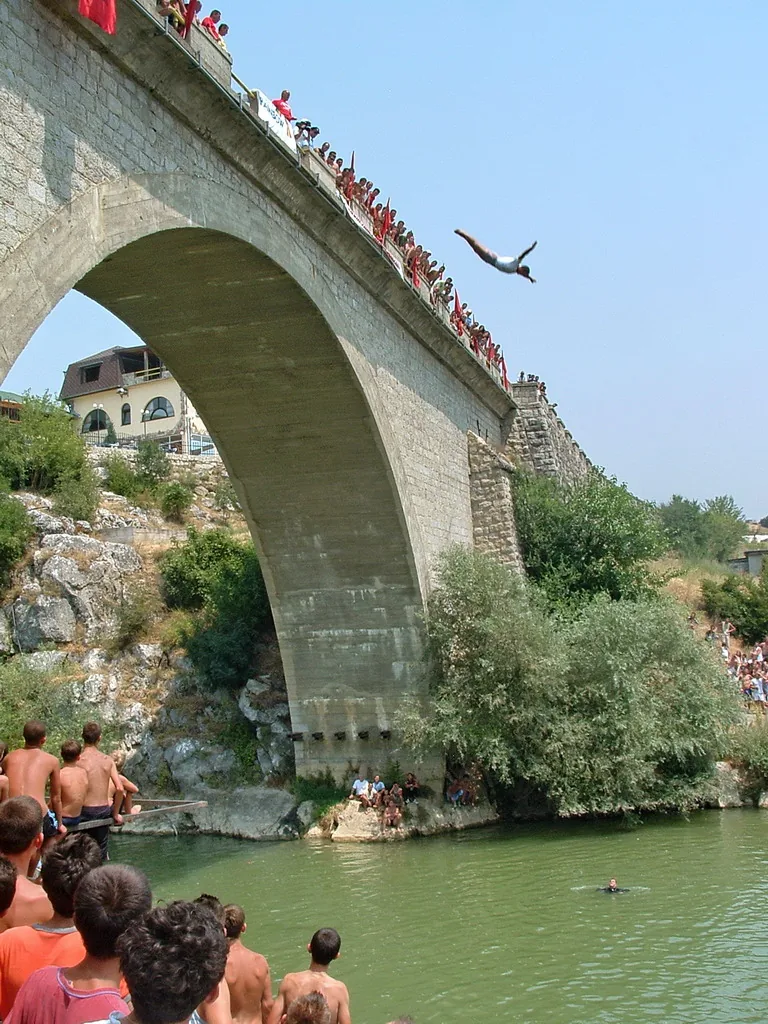
Carry a backup payment method. Rural gorge sites and temporary event setups are not the place to discover a single card declined. ATMs near adventure towns can carry their own fees - withdraw fewer, larger amounts when safe to do so.
Tips and crew culture
Tipping norms vary by country. Some destinations treat service as included; others quietly expect appreciation for exceptional care. Tips never replace professional wages as an ethical system, but where tipping is customary, budget a small percentage for guides who handled a freeze, a weather reshuffle, or a careful harness fit with patience. Cash in local currency is often easiest.
Never tip someone to skip a safety step. Anyone who accepts that bargain is not your friend.[3]
Hidden and soft fees to itemize
- Transport from town to site and back
- National park or bridge access fees
- Photo and video packages (often the largest optional line)
- Souvenir certificates, T-shirts, and “I jumped” merchandise
- Card processing surcharges
- Lockers, parking, and spectator tickets for friends
- Reschedule fees when the policy is guest-driven rather than weather-driven
Premium urban products and classic destination brands alike can be transparent or opaque; read inclusion lists rather than assuming.[4][1]
How to ask without sounding hostile
“What is the total in local currency with tax if I pay by card today?” and “What is not included that most guests add?” are professional questions. Good operators answer cleanly. Vague answers are data.
Build a one-page budget
Ticket + transport + media decision + food + tip buffer + insurance share of trip. If the total only works by deleting insurance or choosing a sketchy operator, the budget is not finished.[2][3]
Hidden fees feel worse when they arrive mid-adrenaline. Surface them the night before, decide your yes/no on media when you are calm, and keep a little cash for the human moments - a coffee for a nervous friend, a tip for a crew that earned it, a taxi when buses stop early. Freefall is the product. Clarity is the hospitality.[1]
Group treasurers should collect funds in one currency when possible and publish a shared sheet so nobody is surprised by photo packages at the counter. Split the optional from the mandatory early. That single habit prevents the ugliest post-jump argument in adventure tourism: who owes what after everyone already screamed happily into a canyon.
Sources
- AJ Hackett Bungy NZ - transparent product pages (2026)
- InsureMyTrip - budgeting adventure travel costs (2026)
- XINSURANCE - do not trade safety for a teaser price (2023)
- Skypark Macau - premium product pricing context (2026)
Image credits
- Photo: Pittigrilli / Wikimedia Commons (CC BY-SA 4.0)
- Photo: Shkumbin Saneja / Wikimedia Commons (CC BY-SA 3.0)