Most people experience bungee as a solo spike of courage. A local jumpers’ club turns that spike into a community: shared research, group rates when appropriate, skills beyond the leap, and a social circle that does not need the freefall explained from zero every time.[1][2]
Start smaller than your logo ideas
Five people and a recurring coffee is a club. You do not need nonprofit paperwork on week one. Agree on purpose: travel planning, first-timer mentoring, fitness and mobility, or documentary film nights. Write a one-page code of conduct - consent, no pressuring freezes, no shaming medical no-gos.[3]
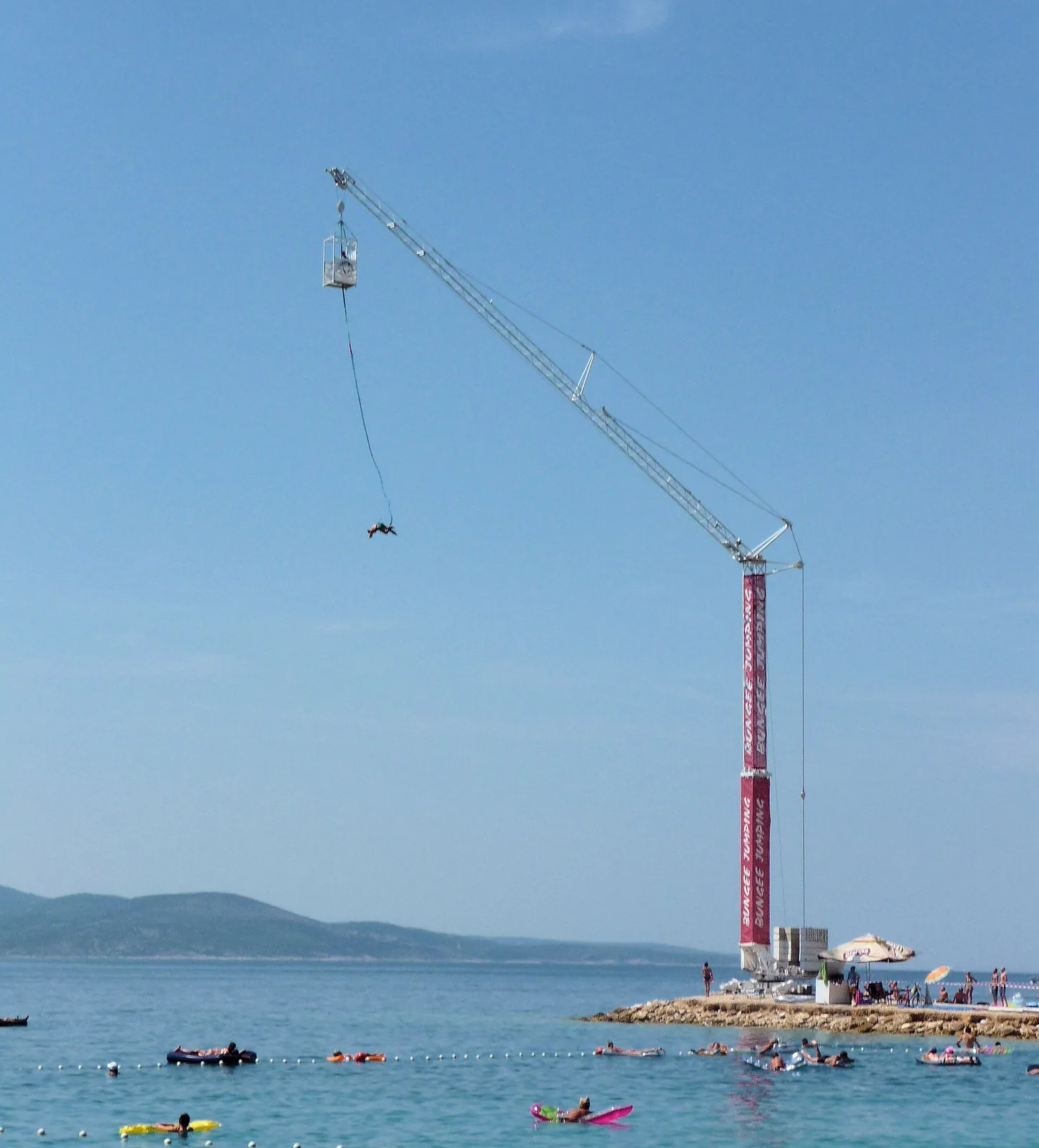
Meetup formats that work
- Quarterly planning nights for upcoming site trips
- Debrief hangs after jumps (stories, not one-upmanship)
- Skill sessions: packing, insurance literacy, photo ethics, anxiety tools
- Cross-training days: hiking, climbing gyms, swimming - capacity without the cord
- Guest talks from guides when you can host respectfully
Travel as a club without becoming chaos
Use a single logistics lead per trip, shared cost sheets, and realistic itineraries with weather buffers. Book reputable operators; never invent DIY jumps. Clubs amplify good practice or bad ideas - choose which.[1][3]
Leave-no-trace ethics and local spending keep club trips welcome in host towns.[4]
Skills worth teaching each other
How to read an operator site, how to ask safety questions without aggression, how to support a friend who backs down, how to budget media, how to recover the evening after. These skills matter more than collecting height records.[2]
Inclusion and growth
Welcome spectators and future jumpers. Keep dues optional or minimal. Rotate leadership so the club survives one couple moving cities. Partner with climbing gyms or outdoor clubs rather than competing for the same six humans.
What success looks like
Not a bigger Instagram. Success is a first-timer who felt prepared, a veteran who still got better at listening, and a group chat that organizes rides without drama. When someone freezes, the club celebrates the honest call. When someone jumps, the club keeps the toast proportional - courage is not a hierarchy.[3][1]
Build the club you needed before your first booking. Meet often enough to be real, travel carefully enough to be proud, and keep the cord what it always was at its best: a shared reason to practice trust - on platforms and on ordinary Tuesdays.[4][2]
Document trips lightly for members; avoid turning every leap into public content without consent. Over time you may collect preferred operators, seasonal notes, and a mentorship ladder. That living knowledge is the club’s true gear closet - lighter than any suitcase, stronger than any single freefall story alone.
Sources
- AJ Hackett Bungy NZ - multi-visit adventure culture (2026)
- Medical News Today - shared thrill-seeking and social context (2021)
- XINSURANCE - group trips still need individual risk discipline (2023)
- UN Tourism - community and responsible travel practices (2026)
Image credits
- Photo: MirandaUrbina / Wikimedia Commons (CC BY-SA 3.0)
- Photo: Andrzej19 / Wikimedia Commons (CC BY 3.0)