Adventure tourism can be a community engine or a community extraction machine. The freefall looks the same in photos either way. The difference is who is employed, who owns the land access, who supplies the lunch, and whether residents still recognize their home after the marketing campaign.[1][2]
How money moves around a jump
A full day of bungee tourism might include transport, tickets, photos, food, lodging, and souvenirs. When those pieces are owned offshore and staffed only with seasonal outsiders, local benefit shrinks - a classic “leakage” problem in tourism economics.[2] When operators hire and train residents, buy produce nearby, and partner with community-owned stays, the same freefall multiplies local wages.
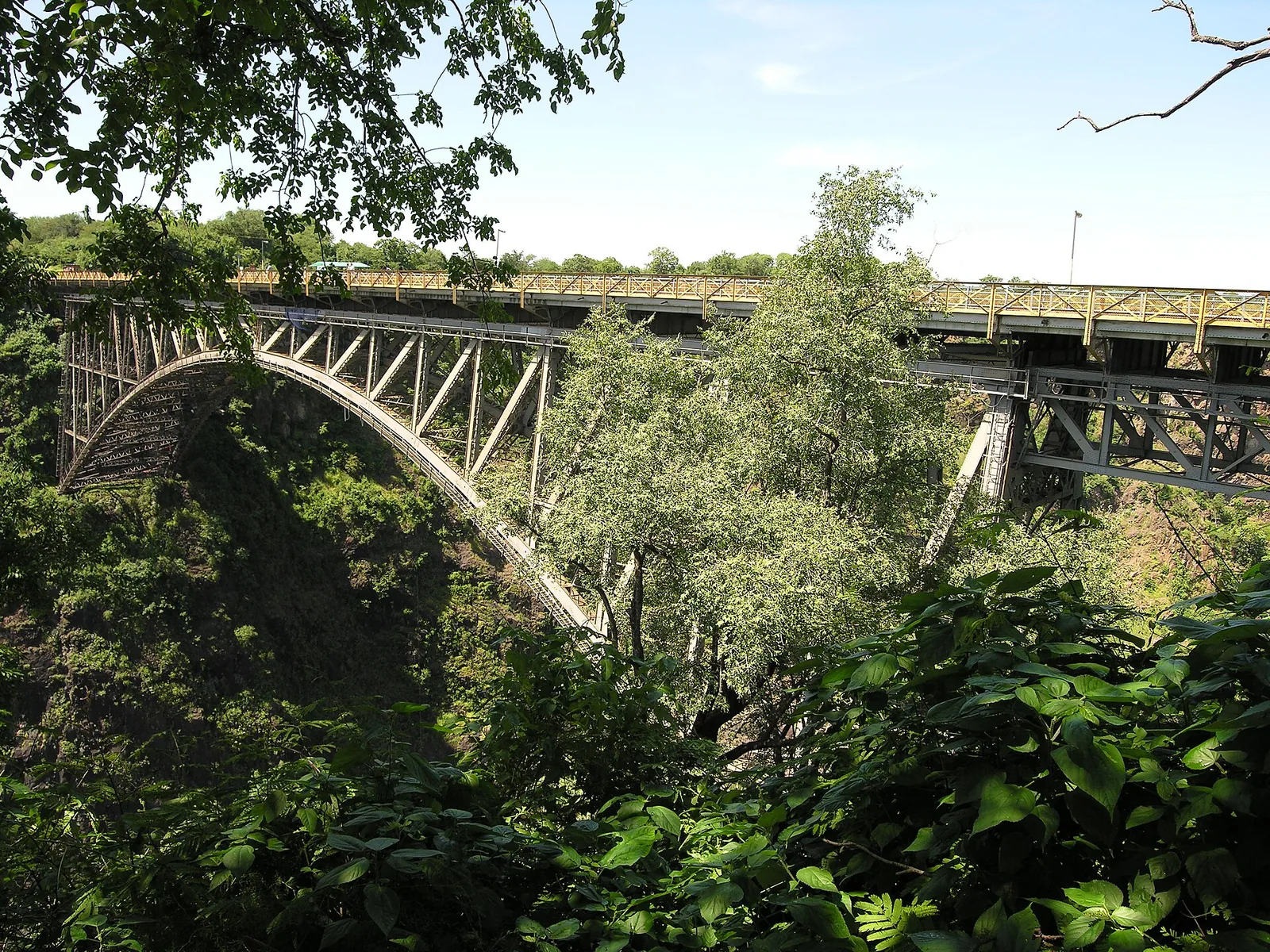
Landmark destinations show both patterns over time. Travelers who ask a few ownership and employment questions help reward the better pattern.[3][4]
Jobs are more than ticket scanners
Quality adventure economies need riggers, guides, drivers, medics, mechanics, content editors, cleaners, and managers. Training pathways matter. A company that only imports senior staff forever is different from one that builds local careers. Sustainable tourism goals explicitly include employment quality and local prosperity, not merely visitor counts.[1][2]
Cultural dignity is part of safety culture
Communities near cliffs, bridges, and traditional jumping sites are not extras in your video. Ask before photographing people. Follow rules around sacred or residential areas. Learn a greeting. Pay fairly for guiding. If a place offers cultural interpretation, prefer authorized storytellers over hostel myths.
Commercial bungy and indigenous height rituals can coexist in a region without being the same thing. Conflating them for marketing can strip meaning from living traditions.[1]
Traveler habits that actually help
- Book operators with transparent local hiring stories
- Sleep in locally owned lodgings when quality and safety allow
- Eat where workers eat, not only where influencers eat
- Pay for photos and tips according to local norms without haggling people into poverty
- Visit in ways that spread demand beyond a single overloaded street
- Leave reviews that mention staff professionalism by role, which supports wage dignity
When “community tourism” is just branding
Be skeptical of vague claims with no specifics. Better signs: named local partners, visible training programs, published community funds, or long-term presence that locals acknowledge. Imperfect transparency beats glossy silence.
Power and platforms
Bridges and gorges are often public or contested spaces. Ethical operators engage authorities and neighbors rather than treating access as a free resource forever.[2] As a guest, obey closures and pay legitimate park or heritage fees. Those fees are part of the social contract that keeps sites open.
The memory you want
Years later, you will remember freefall - and, if you did it right, the person who checked your harness, the driver who timed the border, the cook who fed you after your hands stopped shaking.[3][4] Supporting communities is not charity layered onto adventure. It is how adventure remains welcome. Jump, spend thoughtfully, and let the place profit from your courage as clearly as you did.
Women’s employment and youth training are useful lenses when evaluating operators. Adventure industries can skew toward importing seasonal bro culture; companies that deliberately train local women and young people into technical and leadership roles tend to spread benefits more evenly.[2] You may not get a perfect spreadsheet on day one, but you can notice who is on the platform and who is only in the brochure.
Housing pressure is another community variable. Boom destinations sometimes convert long-term homes into short-term stays, squeezing workers. Choosing accommodations that are explicitly tourism-built, or locally owned without displacing residents, is an imperfect but conscious move. Combine stays with off-peak timing when possible to reduce surge stress.[1]
If you want to go beyond consumption, ask whether the operator has a community fund, school partnership, or conservation fee you can add. Verify it is real. Then participate without turning your trip into a savior narrative. Paying fairly for excellence is often more helpful than performative charity.
Bring the story home accurately. When friends ask about the jump, name the place and the people, not only the freefall time. That narrative habit is a tiny cultural technology: it keeps destinations human in the retelling, which is how communities remain subjects of tourism rather than props.[3][4]
Before you leave, spend one evening at a non-adventure local business - a market, theatre, or family restaurant far from the platform. It recalibrates the trip so the host town is more than a launch pad in your memory.
Sources
- UN Tourism - sustainable tourism and host communities (2026)
- ILO sustainable tourism for development guidebook (2013)
- Shearwater Bungee - local destination adventure economy (2026)
- AJ Hackett Bungy NZ - adventure employment ecosystems (2026)
Image credits
- Photo: Maxbalochx / Wikimedia Commons (CC BY-SA 4.0)
- Photo: Chris Eason / Wikimedia Commons (CC BY 2.0)