The dream itinerary almost always includes three verbs: jump, hike, paddle. Different muscles, different fears, same vacation memory palace. Below are template days you can adapt to Queenstown-class hubs and other regions where bridges, trails, and rivers share a postcode.[1]
Template A: Five days, one headline jump
Day 1: Arrive, grocery, short lakeside or town walk, early sleep. Day 2: Bungee or canyon swing while decision-making is sharp; official video optional; quiet dinner.[1] Day 3: Moderate day hike with weather check, packed lunch, turnaround time. Day 4: Guided rafting appropriate to your skill - beginner floats vs. technical whitewater are not interchangeable.[3] Day 5: Buffer morning for weather makeups, café, departure.
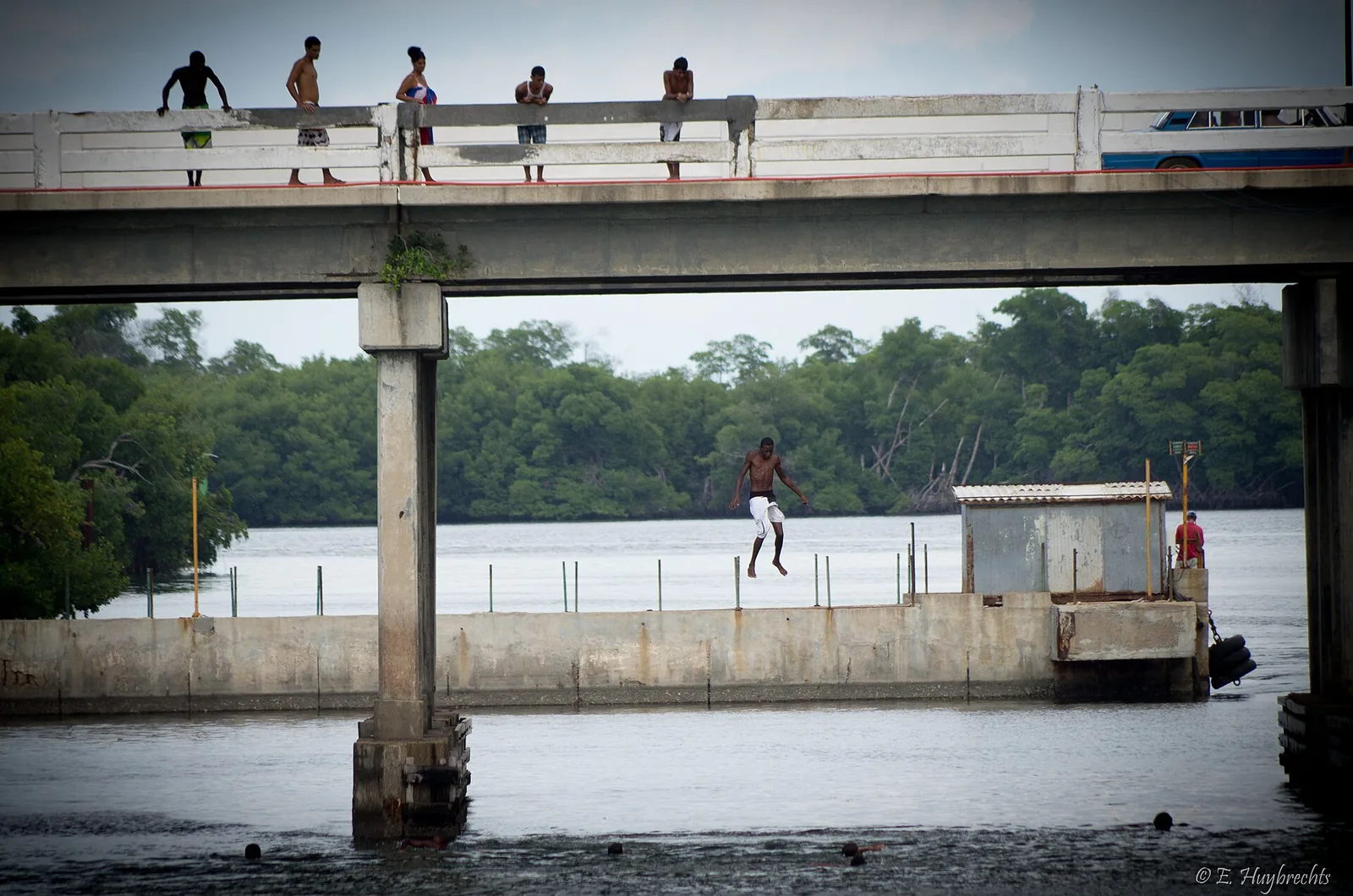
This template prioritizes the jump before cumulative fatigue. Hiking in the middle resets the nervous system with forward motion and scenery. Rafting last rewards teamwork when the group already trusts each other.
Template B: Trail-first confidence week
Some travelers need ground under their feet before they trust air. Hike day one on a well-marked track within your fitness level, following local “know before you go” guidance on weather, gear, and intentions.[2] Raft day two for a different kind of managed risk. Jump day three as the climax. Rest day four. Flex day five.
This order can reduce jump dread by proving your body handles long activity days - just do not trash your legs with an epic ridge grind the afternoon before freefall.
Region-agnostic planning rules
Book the constrained resources first: jump slots, raft guides, and any permits. Build a full weather spare day. Carry travel health prep appropriate to the country - medications, insurance, emergency numbers.[4] Share your hiking plan with someone not on the trail. On rivers, wear the PFD and listen to the guide like your phone is not waterproof (because it isn’t).
Food is logistics: high-adventure days need earlier dinners and real breakfasts. Nightlife is optional DLC, not the main questline.
Sample story beats, not rigid dogma
Maybe your “hike” is a canyon overlook rather than 20 km. Maybe your “raft” is a scenic float with kids while adults take a harder section another day. The structure still holds: one aerial commitment, one terrestrial journey, one water day, and white space between them.
Bungee-plus-hiking-plus-rafting itineraries shine when each activity gets enough body and attention to feel distinct. You came for contrast. Schedule like you mean it.
Packing lists and local-reality adjustments
Shared packing core: broken-in trail shoes, secure water shoes or sandals with straps for river days if guides recommend them, quick-dry layers, rain shell, sun protection, personal meds, offline maps, and a dry bag for phones on water days. Bungee day clothing should still follow harness rules even if your suitcase is mostly hiking wool.
For hiking days, honesty about fitness prevents misery. Choose tracks with published times and escape options. Start early for weather and daylight. Carry more water than pride suggests. If your group spans abilities, pick a middle trail and save hero peaks for a paired subgroup on a free morning.
For rafting, skill-match the section. A scenic family float and a continuous whitewater day are different sports sharing a verb. Listen to local outfitters about flows, seasonal hazards, and swim confidence. Cold-water immersion risk changes clothing and even whether the day is wise for smaller or less confident paddlers.
Local reality may replace one leg of the template. Coastal destinations might swap rafting for sea kayaking. Desert hubs might swap long hikes for shorter rim walks in heat. Keep the rhythm - air, land, water, buffer - even if the specific verbs change.
Itineraries exist to reduce decision fatigue under excitement. Use these templates as living documents. When a local guide says “not that track tomorrow,” treat their no as gold. The best bungee-hiking-rafting stories include the day you adapted and still caught the light on the river after the leap.
Whatever path you choose after reading a guide like this, keep the hierarchy of values straight: safety procedures, honest consent, and recovery time always outrank content, peer applause, and sunk-cost pride. BungeeFinder’s bias is simple - we want you to jump when it is right, walk away when it is not, and keep enough clarity afterward to tell the story without rewriting the fear into something it was not.
If you take one habit from the professionals who run platforms day after day, take their love of checklists. Check the operator, check your body, check your motives, check your gear rules, and check that the people with you will respect a last-minute no. That checklist is how extraordinary minutes stay good stories instead of cautionary ones.
Sources
- AJ Hackett Queenstown - bungy and adventure activities (2025)
- New Zealand Department of Conservation - track safety basics (2024)
- American Whitewater / rafting safety culture resources (2024)
- CDC Travelers’ Health (2024)
Image credits
- Photo: Bgabel / Wikimedia Commons (CC BY-SA 3.0)
- Photo: Emmanuel Huybrechts from Laval, Canada / Wikimedia Commons (CC BY 2.0)