Yes. Plenty of people who bungee jump are afraid of heights. Fear alone is not a ban. Not being able to follow simple instructions because you have checked out - that is a stop.
If platforms only empty of the fearless, commercial sites would close. Height caution is common. The useful question is whether you can stay honest with staff and still make a clear yes or no after the final checks.[1]
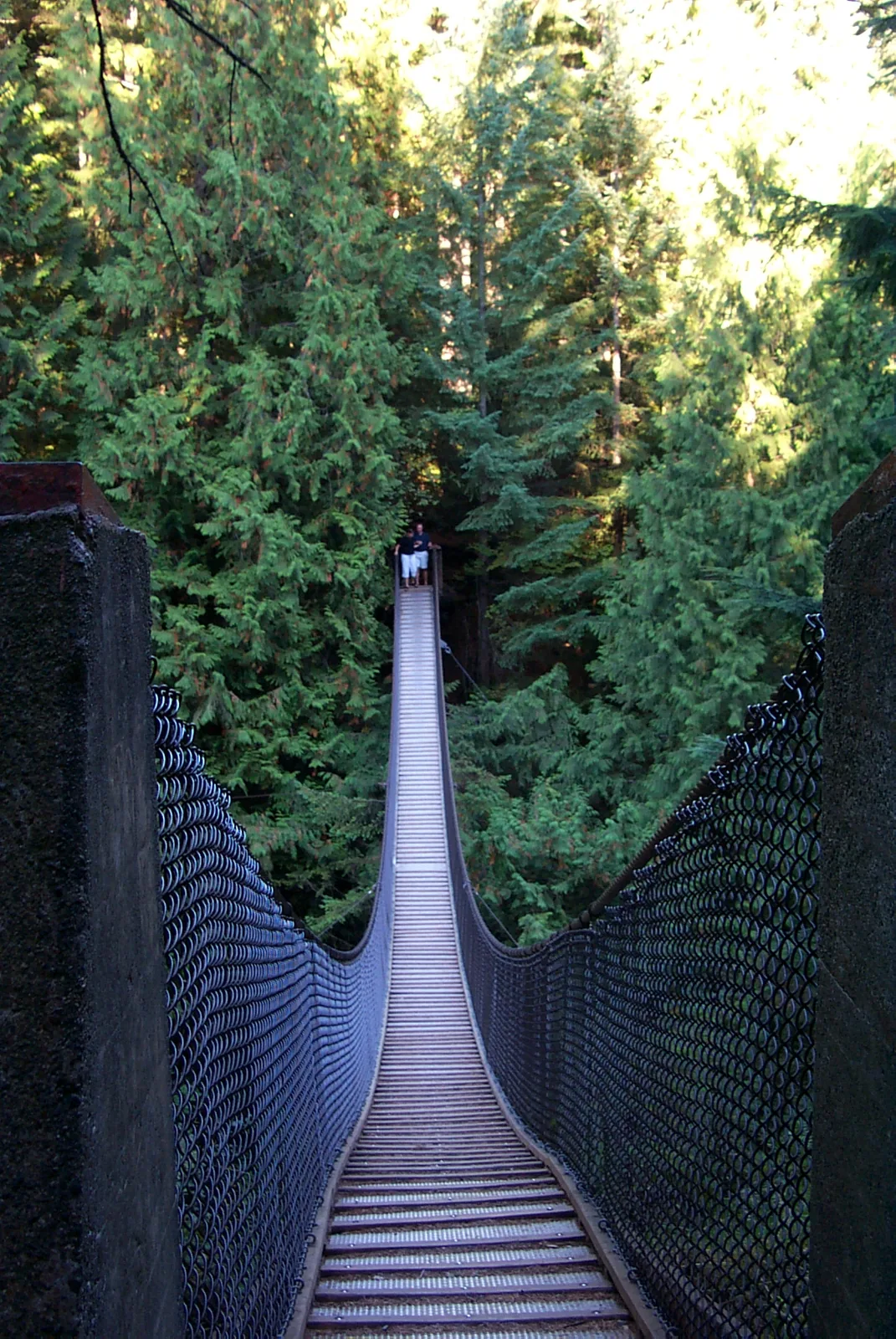
Height caution vs a phobia that already runs your life
Most first-timers get a dry mouth and shaky hands on an open deck. That is a normal stress response, not proof you booked the wrong activity.[2]
A phobia is different: days of dread, hard avoidance of balconies and glass elevators, panic that wrecks ordinary life. A tourist queue is not exposure therapy. If height fear already controls your week, talk to a clinician before you treat a coupon code like treatment. I would not treat a commercial jump as therapy.[3]
What actually helps if you still want to jump
Book an operator that posts weight limits, asks medical questions, and runs slow checks. Marketing that only says "life-changing" and stays quiet on process is a bad match when you are already stressed.[1] More: choosing an operator, site red flags.
Sleep. Skip alcohol as "liquid courage" - serious sites refuse intoxicated jumpers, and it messes up decision-making.[4] Keep the audience small. One quiet friend beats a hype squad filming every flinch.
Decide your stop line while you are still calm: after final checks and the countdown call, you jump on their process. Until then you can still say no. Decent crews unhook people. Freezing is common. It is not a personality review.[1]
Full prep version: how to mentally prepare.
On the platform
Do their sequence. Look at the horizon if looking down makes you worse. Stop fiddling with straps after they have checked you. If you need out before you are committed, say it out loud.
If you cannot hear instructions or cannot answer a simple question, that is enough reason to stop. Staff would rather delay one slot than launch someone who has left the room mentally.
Quick answers
Can you bungee jump if you are afraid of heights? Often yes, if you can still follow briefings and give real consent. Fear is expected.[1]
Is bungee good "therapy" for acrophobia? Not as a substitute for care when fear already wrecks daily life. Optional thrill ≠ clinical treatment.[3]
What if I freeze? Tell the crew. Freezing is common. Unhooking before commitment is normal on good decks.
Bottom line: Fear of heights is normal on a platform. Book a real operator, stay sober, keep the crowd small, and keep the right to stop until you are actually committed. Everything else is optional.
Sources
- AJ Hackett Bungy NZ: Why fear of heights is totally normal
- Harvard Health: Understanding the stress response
- NHS: Phobias overview
- AJ Hackett Bungy NZ: FAQs (alcohol, medical, process)
Image credits
- Photo: Ninaras / Wikimedia Commons (CC BY-SA 4.0)
- Photo: Pburka at English Wikipedia / Wikimedia Commons (Public domain)