You freeze. Legs lock. Mouth stops working. That is a normal stress response.
Fight, flight, and freeze are all on the menu when the brain flags danger.[1][2] A platform over air will flag danger even when the gear is fine.
What a good crew does
Pauses. Talks you through one step at a time. Offers a reset—step back, recheck, try the count again. Does not shove you for the queue’s sake.
Serious operators say they do not push guests unless asked; the jump is yours to take.[3] If staff mock you or stack pressure to “just go,” that is a culture problem. Unhook and leave if you need to.
What you can do in the moment
Say it out loud: “I need a second” or “I’m not jumping.” Silence reads as maybe. Words read as decision.
One longer exhale. Eyes on the horizon or on the jumpmaster’s face—not on the drop if the drop is the thing locking you. Follow their next short instruction only if you still want to jump.
Do not bargain with yourself for ten minutes while a line builds. Either restart clean or step off the process. Both are allowed.
If you restart
Same sequence: final check still valid, position, short cue, leave on the call. Hesitating mid-push after “go” is how takeoffs get ugly. If you are not committed by the final number, abort again. A half-step helps nobody.
If you walk away
Fine. Refunds depend on the operator’s policy—many treat a same-day refuse as non-refundable even when weather cancels get full refunds.[3] Money hurt is real. Being pushed past consent is worse.
Friends who call you chicken are not the safety team. Ignore them.
Before the next attempt
Book a site that obsesses over checks. Sleep. Small audience. Decide your stop rule while calm. Practice a longer exhale so it is available under stress.[4]
If freeze is part of a wider heights problem that runs your normal life, one tourist jump is not therapy. See a clinician if avoidance is eating your week. Related: bungee as exposure therapy.
Bottom line: freeze is common. Good crews pause. You say stop or go in words. No shove culture. Try again only if you still want it.
Sources
- Harvard Health Mindscape: Fight, flight, or freeze
- Kozlowska et al.: Fear and the defense cascade (PMC)
- AJ Hackett Bungy NZ: FAQs (no push, refuse policy)
- Stanford Medicine: Cyclic sighing
Image credits
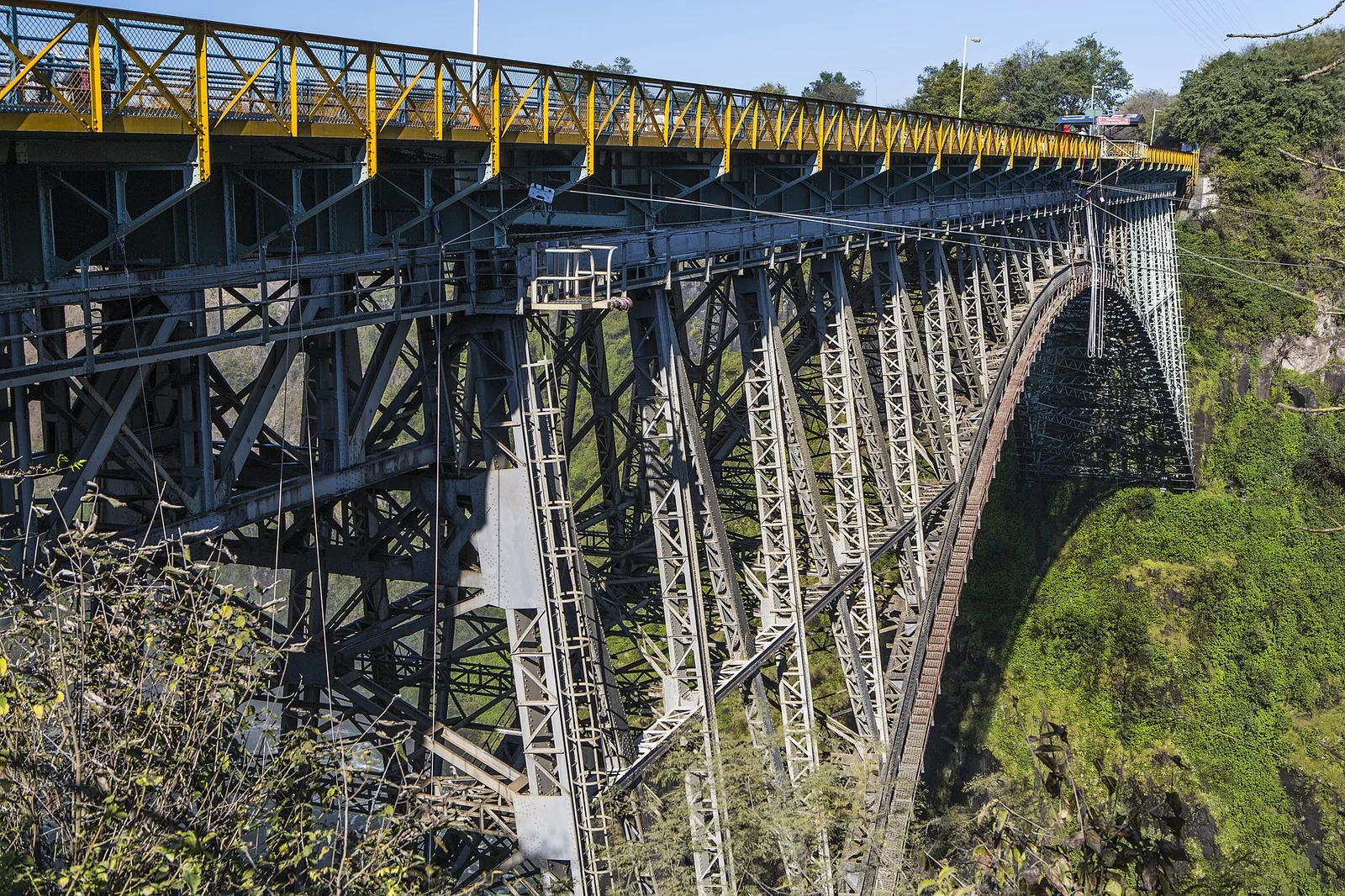
- Photo: Jocelyn Kinghorn from Christchurch, New Zealand / Wikimedia Commons (CC BY-SA 2.0)
- Photo: Ninara from Helsinki, Finland / Wikimedia Commons (CC BY 2.0)