The fantasy writes itself: you freefall, you bounce, you kneel on the retrieval deck with a ring while the canyon applauds. Proposal bungee stunts have become a genre of their own - viral, photogenic, and occasionally disastrous when the only person who knew the plan was the one holding the camera.[1]
Romance and recklessness are not always opposites. A planned, consented, operator-approved surprise can be unforgettable. An ambush while someone is still shaking from freefall can feel like emotional whiplash dressed as love.
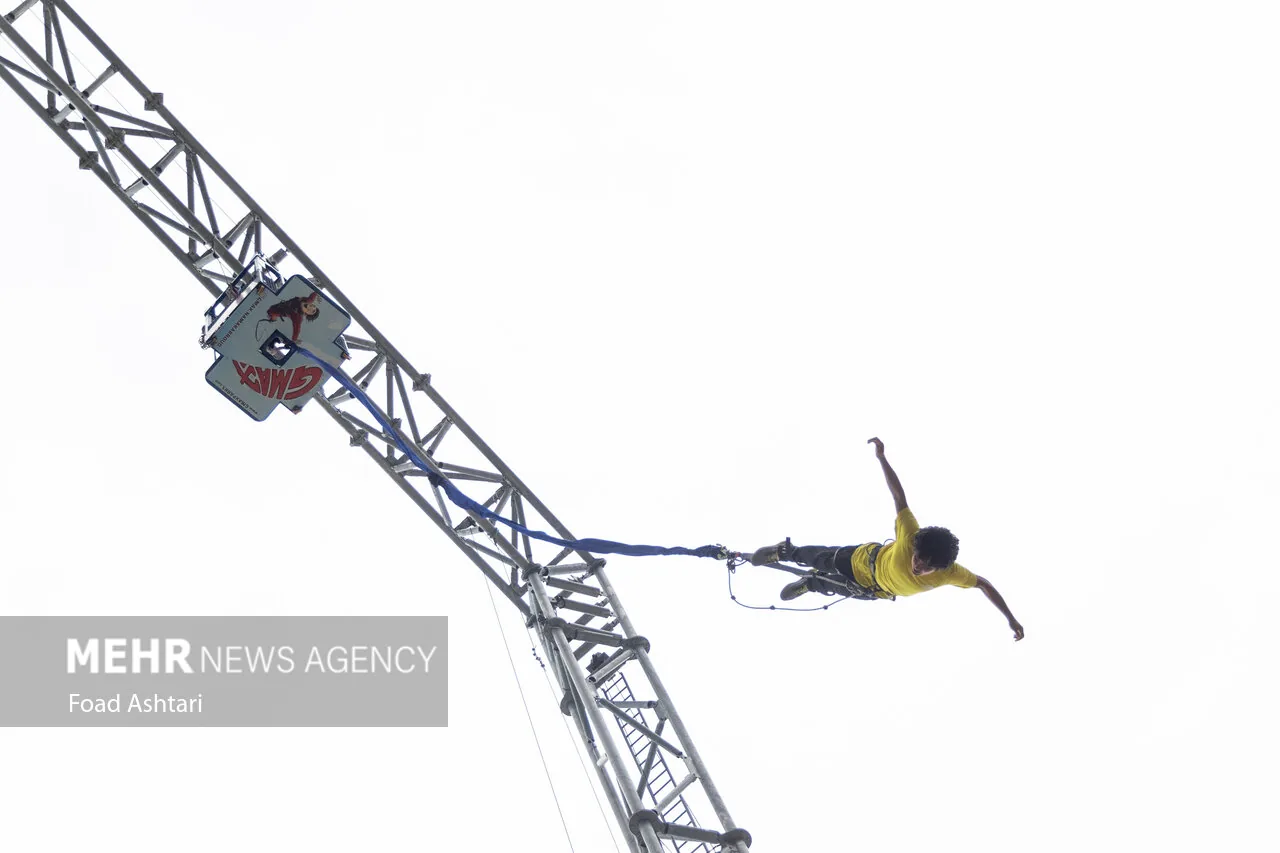
What operators will and will not allow
Commercial bungee sites run on strict timelines, safety briefings, and insurance rules. You generally cannot freestyle a ring handoff mid-air or attach jewelry to the harness without clearance. Loose objects are a safety issue; rings can slip; phones and boxes can fall. Talk to the site weeks ahead if you want staff cooperation, a photographer position, or a quiet corner after landing.[1][2]
Many operators are surprisingly helpful if you are clear, book video packages, and do not disrupt the jump queue. What they will not do is compromise harness procedure for a prop. Expect “propose after unclipping on solid ground,” not “propose at the apex of the rebound.”
Consent is not the enemy of surprise
There is a spectrum between total secrecy and total spoiler. The healthiest version of a “surprise” proposal still rests on known preferences: your partner likes public gestures or hates them; loves heights or barely tolerates them; wants family present or needs privacy. Healthy relationship research keeps circling the same point - communication and mutual respect beat grandiosity.[3]
If your partner has said they want a quiet proposal, a bungee stunt is not a charming override. If they are terrified of heights and only jumping to please you, pairing the jump with a life decision multiplies pressure. High-arousal states change how people process information; that is a stress-physiology fact, not a rom-com beat.[4]
A safer playbook if you still want the story
Book the jump as a shared adventure first. Propose later the same day at a viewpoint, dinner, or hotel terrace when hands are steady and hearing has returned. Or jump separately: you jump with the ring secured in a staff-held pouch, then propose on the platform after both are safe - only with prior staff agreement.
Have a backup plan for weather delays, medical turn-backs, and a “no” that still leaves the relationship intact. A rejected proposal on a bridge deck in front of strangers is a hard memory; build an exit that preserves dignity for both of you.
Logistically, secure the ring. Do not freefall with it in a pocket. Assign a trusted person or staff member as ring bearer on the ground. Confirm photography rights and whether the operator can share or sell the clip.
Bungee proposals are romantic when they express a known love language and reckless when they use fear as a prop. The leap can be part of your story. It should never be the only reason someone says yes.
Photography, privacy, and the crowd problem
Public proposals assume a friendly audience. Bridge decks and tower platforms are full of strangers, staff on a clock, and other jumpers managing their own fear. Even a beautiful “yes” can feel exposed if your partner freezes under eyes they did not invite. If your partner is private by nature, relocate the question to a booked viewpoint after the jump rather than mid-queue theater.
If you want documentation, brief the photographer on contingency language. What if weather cancels? What if your partner is crying from adrenaline, not emotion? What if staff need the platform cleared? A good shooter protects dignity first and content second. Agree in advance whether the operator may use your clip in marketing; that is a separate consent from the proposal itself.
Think through cultural and family expectations too. Some families cherish spectacle; others will only remember that a life decision was paired with a stunt. If parents are traveling with you, decide whether they are part of the moment or waiting at dinner. Surprise relatives can turn a personal leap into a committee hearing on a windy deck.
There is also the practical romance of aftercare. Have water, a jacket, and a reservation that does not require sprinting across town in harness hair. The minutes after a jump are raw. A proposal that lands softly - eye contact, clear words, no countdown from chanting friends - respects the chemistry of fear and love without confusing them.
Reckless proposals use height as leverage. Romantic ones use height as setting while the relationship remains the subject. If you cannot honestly say your partner would still feel free to decline, rewrite the plan until you can. The best story is not that you jumped with a ring. The best story is that you both felt chosen, not cornered, when the question arrived.
Sources
- AJ Hackett Bungy - commercial sites and jump operations overview (2025)
- Macau Tower AJ Hackett - high commercial bungy context (2024)
- APA - healthy relationships and communication (2024)
- Cleveland Clinic - managing stress in high-stakes moments (2023)
Image credits
- Photo: Archives New Zealand from New Zealand / Wikimedia Commons (CC BY-SA 2.0)
- Photo: Fouad Ashtari / Wikimedia Commons (CC BY 4.0)