There is a particular kind of silence that settles over a couple standing on a bungee platform together. One partner might be grinning at the valley floor; the other might be quietly renegotiating every life choice that led to this exact plank of wood. That tension is why “bungee jumping for couples” trends so hard on social media - and why it deserves a more honest conversation than a highlight reel.[1]
Shared adrenaline can strengthen a bond. It can also expose mismatches in risk tolerance, communication style, and how each person recovers from fear. The jump itself is usually short. The story you tell about it can last years. Treating the day as a joint project rather than a test of courage is the difference between bonding and resentment.
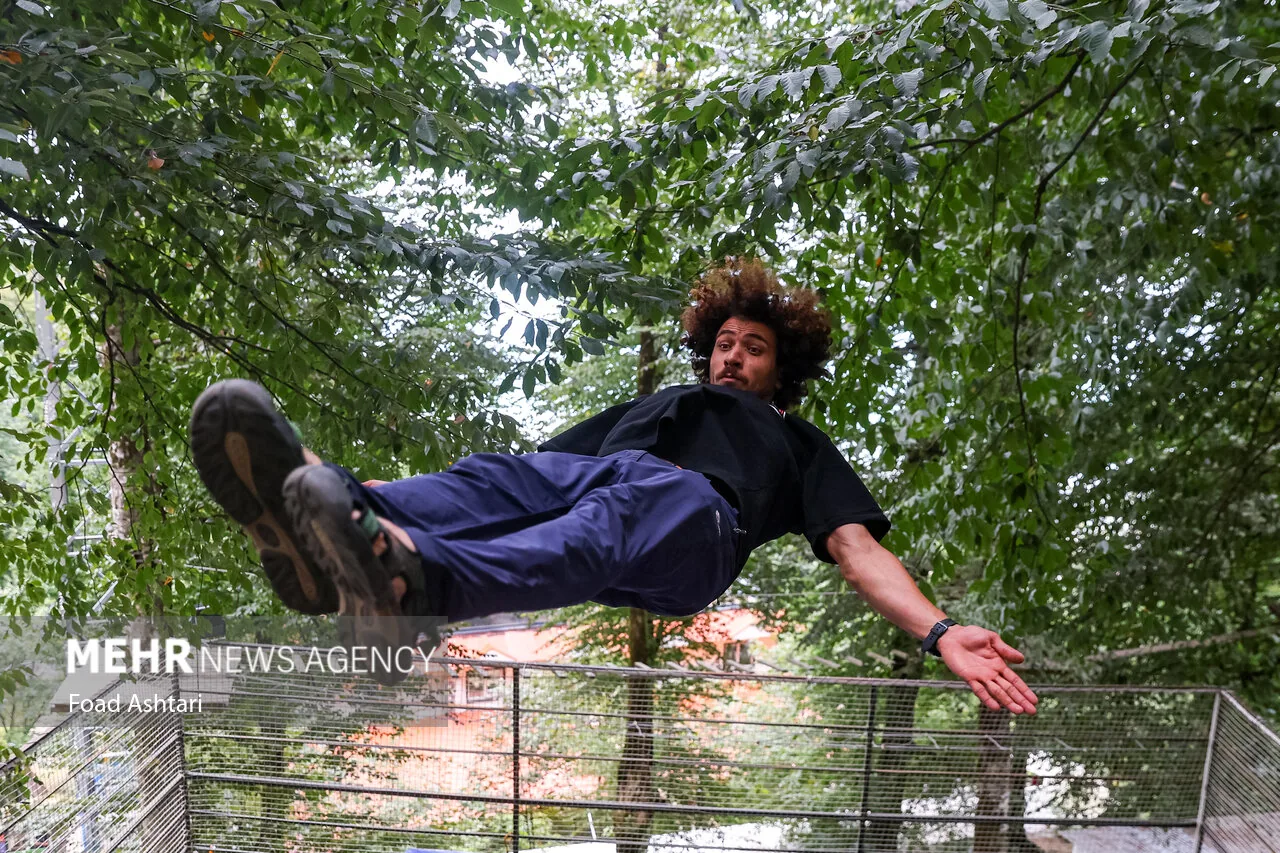
Bonding chemistry vs. relationship pressure
Intense shared experiences activate the body’s stress systems: elevated heart rate, tunnel vision, a flood of chemicals that make ordinary moments feel cinematic. After a successful jump, many couples describe a rush of closeness - laughter, tears, the giddy relief of “we did that.” That post-stress closeness is real, and it is one reason adventure sports show up so often in couple travel plans.[3][4]
The flip side is subtle. If one partner feels cornered into jumping, the same stress response can attach to the relationship rather than the platform. “Prove you love me” and “don’t be boring” are not romantic prompts; they are pressure. A good rule of thumb: either partner should be able to opt out on the morning of the jump without punishment, jokes that cut, or a week of cold silence.
Tandem jumps, where available, create a different dynamic than side-by-side solos. You literally share the cord and the freefall. That can feel intimate. It also means both bodies must meet the operator’s combined weight and medical rules, and both people must follow the same brief. Check the operator’s tandem and weight policies early - they are not marketing copy; they are engineering constraints.[1][2]
How to plan a couple’s jump that stays fun
Start with logistics, not Instagram. Confirm minimum age, weight bands, medical exclusions (pregnancy is almost always a hard no), and whether the site offers tandem or only separate jumps. Book video if you want the memory; do not rely on a phone in a pocket. Agree in advance on what “support” looks like: quiet presence, hyped countdown, or simply holding space if someone freezes at the edge.
Talk through the exit plan. Who jumps first? Does the more nervous partner go first so they do not watch and spiral, or second so they see a successful landing? There is no universal answer - only the one that matches how you two regulate fear. After the jump, plan something gentle: a meal, a walk, water and a sit-down. Processing together is part of the bonding, not an afterthought.
If one of you has a history of panic attacks, recent trauma, or a medical condition that interacts with harness pressure or blood pressure spikes, talk to a clinician before you book. Operators screen for safety; they cannot run your relationship or your mental-health history.[4]
When it is a bad idea
Skip the couple’s jump if you are mid-conflict and using adrenaline as a bandage. Skip it if one person has said no more than once and is only agreeing to keep the peace. Skip it if the only way the trip feels “worth it” is if both of you leap - that is a red flag about how you handle autonomy.
Consider alternatives that still share the day: one jumps while the other watches from a safe viewpoint and owns the celebration; both try a lower-intensity activity at the same park (bridge walk, swing, zipline) if those options exist; or you book a different shared thrill with a clearer opt-out. Love is not measured in freefall seconds.
Bungee jumping for couples can be a genuine bonding experience when it is chosen freely, planned carefully, and debriefed kindly. It becomes a relationship test when the platform is used to force courage, compliance, or content. Choose the first version. The view is better when nobody feels shoved.
If you both step off - or if only one does and the other cheers - you still get a story. Make sure it is a story about trust, not about who blinked first on the edge of a gorge.
Sources
- AJ Hackett Bungy NZ - FAQs (age, weight, tandem guidance) (2025)
- Kawarau Bridge Bungy - activity details and weight range (2025)
- American Psychological Association - Stress and relationships overview (2024)
- Cleveland Clinic - How stress affects the body and mind (2023)
Image credits
- Photo: Lorem Picsum / Unsplash photographers / picsum.photos (Unsplash License)
- Photo: Fouad Ashtari / Wikimedia Commons (CC BY 4.0)