Ask a group of adventure travelers which is “scarier,” bungee or skydiving, and you will get confident answers that contradict each other. Both sports sell freefall. They deliver it on different clocks, with different trust objects - an elastic cord and platform crew versus a parachute system and altitude.[1][2]
Time and intensity. A bungee freefall is short and sharp: seconds of acceleration, then a strong stretch and bounce. Skydiving freefall from typical tandem altitudes lasts much longer - on the order of a minute of windblast before canopy flight - then a longer ride under parachute.[2] Bungee’s adrenaline spike is concentrated; skydiving’s is extended and multi-phase (plane ride, exit, freefall, canopy, landing).
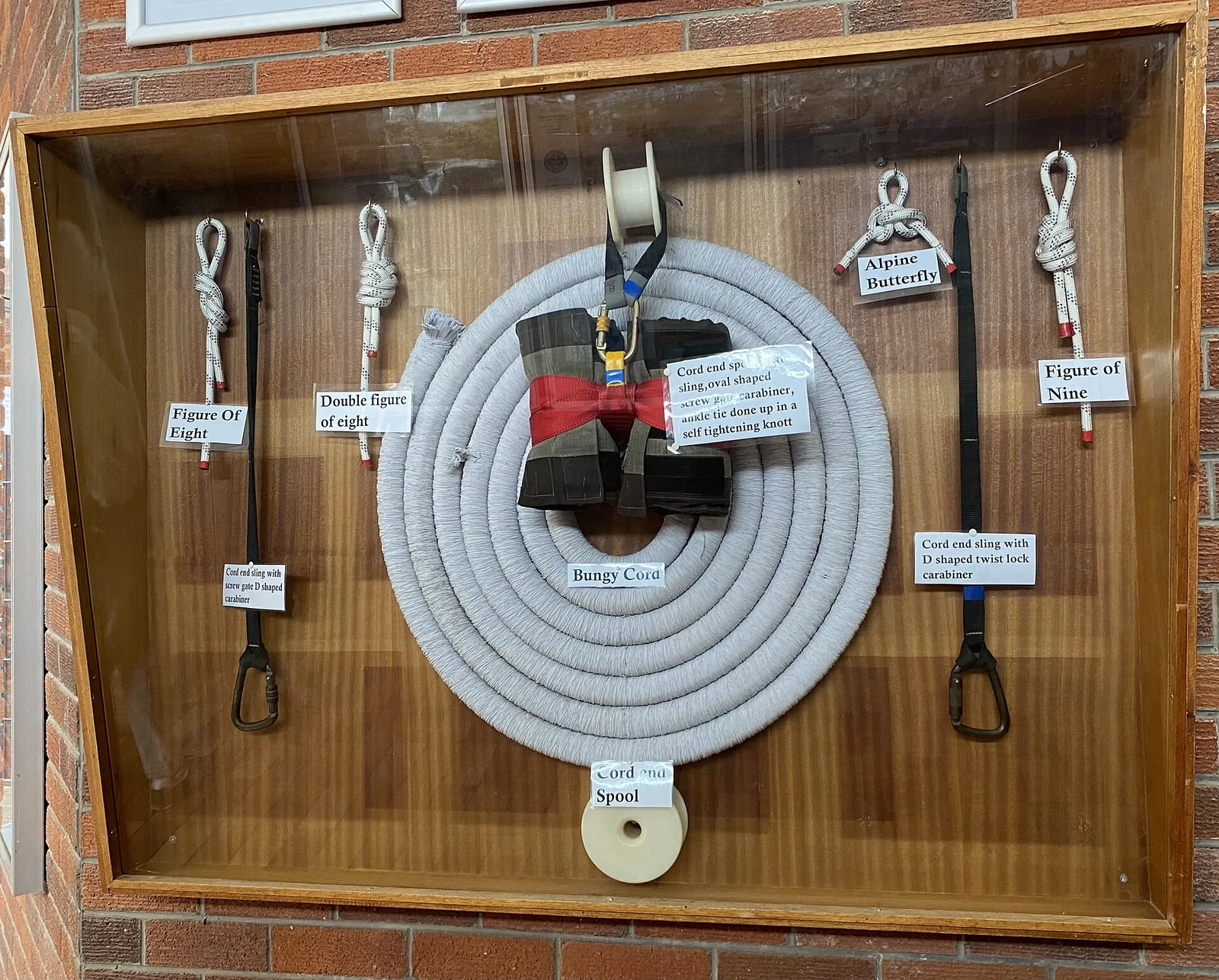
Fear type. Bungee fear is often pure height aversion: you see the exact drop and must step off solid structure. Skydiving fear includes aircraft anxiety, door fear, and trust in fabric systems you cannot watch the same way you watch a cord being clipped. Some people find the plane ride worse than freefall; others find the bridge edge worse than any aircraft. Neither hierarchy is universal.
Training and accessibility. First-time commercial bungee is usually a same-day briefing and jump with a professional operator - no multi-day license track required for a tourist tandem-style experience.[4] First-time skydiving for most people is a tandem with a qualified instructor under association standards such as those promoted by organizations like the USPA in the United States, with real training for solo progression later if desired.[3] Solo skydiving is a long education; solo bungee is not a consumer product in the same sense - you are always in an operator’s system.
Cost and logistics. Single bungee jumps are often cheaper than tandem skydive slots, though iconic sites can close the gap. Skydives need drop zones, aircraft schedules, and cloud ceilings; bungee needs wind and site-specific weather. Travelers can sometimes walk up to a bridge site more easily than they can coordinate a weather-perfect skydive weekend.
Body loads. Bungee’s distinctive feature is the elastic catch and rebound - odd G transitions and the famous bounce. Skydiving freefall reaches terminal-area speeds with steady wind force, then a canopy opening that is its own jolt. If you dislike sudden stretch sensations, skydive freefall may feel “cleaner” until opening. If you dislike prolonged falling, bungee’s brevity may feel kinder.
Which delivers bigger adrenaline? If bigger means peak intensity in the shortest window, many people crown bungee - especially high bridges. If bigger means sustained sensory overload and a longer story arc, skydiving often wins. The honest answer is to try both if health and budget allow; they scratch adjacent itches rather than the same one.
Practical decision guide: limited time and money → reputable bungee. Love aircraft and want freefall minutes → tandem skydive. Hate hanging upside down → ask bungee sites about harness style or lean skydiving. Hate doors at 13,000 feet → maybe start on a bridge. Medical conditions can rule out either; disclose honestly to operators.
Adrenaline is not a trophy with one podium. It is a set of tools for feeling alive. Bungee and skydiving are two of the best-designed tools in civilian life - when you choose professionals who treat your fear as something to manage, not monetize recklessly.
Weather sensitivity differs in flavor. Skydiving needs cloud base, visibility, and aircraft limits; entire days can go grey while you wait in a hangar culture that is half boredom, half nervous jokes. Bungee needs site wind limits and local storms; you might get a faster yes/no on a bridge while a drop zone still waits for a ceiling to lift. Neither is “more reliable” globally - it depends on climate and season. Build buffers for both.
Community culture differs too. Drop zones often foster progression clubs, license cards, and long-term sport identity. Bungee is more often episodic tourism: one or a handful of jumps without a belt system of ratings. People who crave belonging and skill trees may fall in love with skydiving’s pathway. People who want a sharp once-in-a-while confrontation with height may prefer bungee’s simplicity. Some do both and stop arguing online.
Memory texture is distinct. Skydive memories often include the plane door, the horizon tilt, canopy quiet, and landing grassy slide. Bungee memories cluster on the platform edge, the elastic grab, and the hanging laugh. If you journal after, you will notice different sensory sentences. That is a hint about which adrenaline story you may want more of.
Cost of progression matters if you catch the bug. Repeating tandem skydives adds up; student training is a real course. Repeating bungee at iconic global sites becomes a travel budget story more than a training budget story. Neither is morally superior. Just budget honestly so the sport stays joyful rather than financially stressful.
Bottom line for the indecisive: book the one available with a top-tier operator on your route this year. Do it cleanly. Afterward you will know in your bones whether you want longer freefall or a sharper elastic spike next time. Comparison essays help; lived data decides.
Sources
- Wikipedia - Bungee jumping (2024)
- Wikipedia - Skydiving (2024)
- United States Parachute Association (2024)
- AJ Hackett (2024)
Image credits
- Photo: Lorem Picsum / Unsplash photographers / picsum.photos (Unsplash License)
- Photo: Saifunny / Wikimedia Commons (CC BY-SA 4.0)