If you already love roller coasters, bungee is not “just a taller drop.” The hardware is engineered in both cases. The contract with fear is not.
On a coaster, once the restraints lock, the layout runs you. On a bungee platform, freefall does not start until you leave the deck. That decision is the product.[2][3]
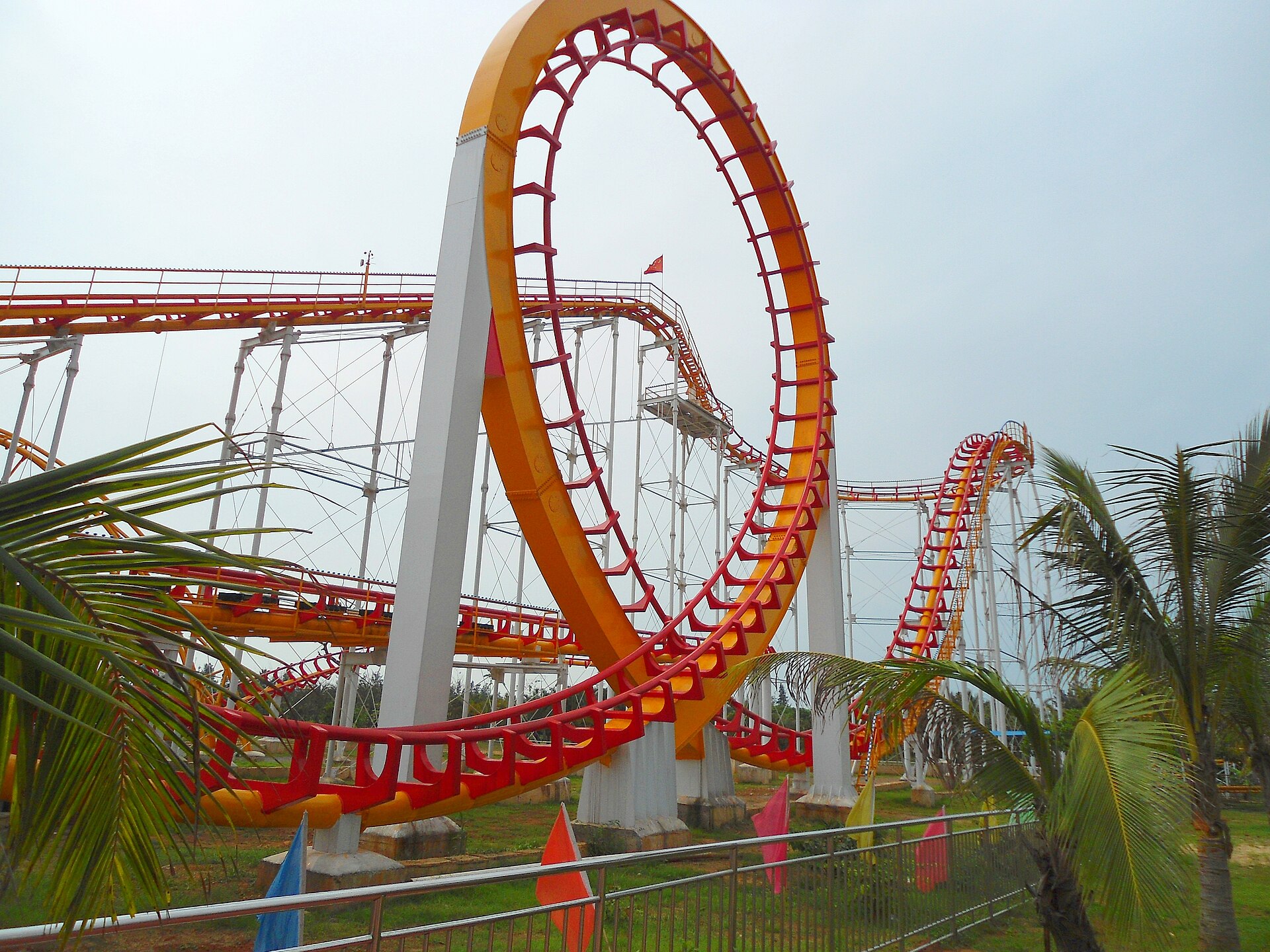
Programmed ride vs personal decision
Coaster fear is real. Your job is still mostly to endure a path someone else designed. Hands up or hands down is optional theater. The train leaves either way.
Bungee fear is also real — heart rate up, dry mouth, stress chemistry doing its thing.[4] Decent crews coach and support. As a rule they do not push you. Freezing is common. Saying you need out before you are committed is allowed; they would rather unhook you than force a bad jump.[2]
People who “love coasters but freeze on bridges” are not inconsistent. Different machines. Different yes.
Duration, queues, and the social mess
Parks give you long lines and multi-minute rides you can re-ride all afternoon. Bungee gives a longer briefing-to-recovery arc with freefall measured in seconds. Parks are loud with strangers. Bungee lines are smaller groups watching each person negotiate their own edge.[1][3]
If you need volume and laughs with friends all day, coasters win. If one clean story is enough, bungee wins.
Engineering and residual risk
Modern attractions invest in restraints, inspections, and operational rules. Industry groups publish safety culture resources for parks and attractions.[1][5]
Commercial bungee invests in cord programs, redundant attachments, weight matching, and crew double-checks.[2] Neither is risk-free. Both reward operators who cancel when wind, maintenance, or guest condition makes the show the wrong call. Your job: follow instructions, disclose medical issues, skip the “hold my beer” version of either activity.
What coaster fans can bring to jump day
You already understand empty pockets, harness comfort, and anticipation as half the ride. Bring that. Leave the idea that more height always equals more fun — a mid-height product with excellent crew can beat a taller product with sloppy process.
Also leave continuous re-ride logic. One well-timed jump often satisfies more than a same-day binge that ends with you ignoring your own stop signal.
Bottom line: coasters = programmed thrills after the bar locks. Bungee = thrills that wait for your step. Love both if you want. Know which machine you are boarding.
Sources
- IAAPA: attractions industry safety and security resources
- AJ Hackett Bungy NZ: FAQs (no push, checks, process)
- AJ Hackett Bungy NZ: Kawarau Bridge Bungy
- Harvard Health: understanding the stress response
- ASTM F24: amusement rides and devices standards overview
Image credits
- Photo: Anna Frodesiak / Wikimedia Commons (CC0)
- Photo: Anna Frodesiak / Wikimedia Commons (CC0)