Mainland China’s megacities trained a generation to stand high and look down. Observation decks, glass skywalks, and tower tourism normalized altitude as entertainment long before any individual guest considered a cord.[2] Urban adventure grows naturally from that habit: once a skyline becomes a playground for the gaze, some travelers want the body to follow the eyes over the edge - in managed, commercial form.
Macau’s tower bungy sits in the wider Chinese-language tourism sphere as a regional flagship of building freefall, proof that urban height can host serious commercial bungy when engineering and showmanship align.[1] Mainland cities innovate along a spectrum from pure observation to hybrid adventure decks.
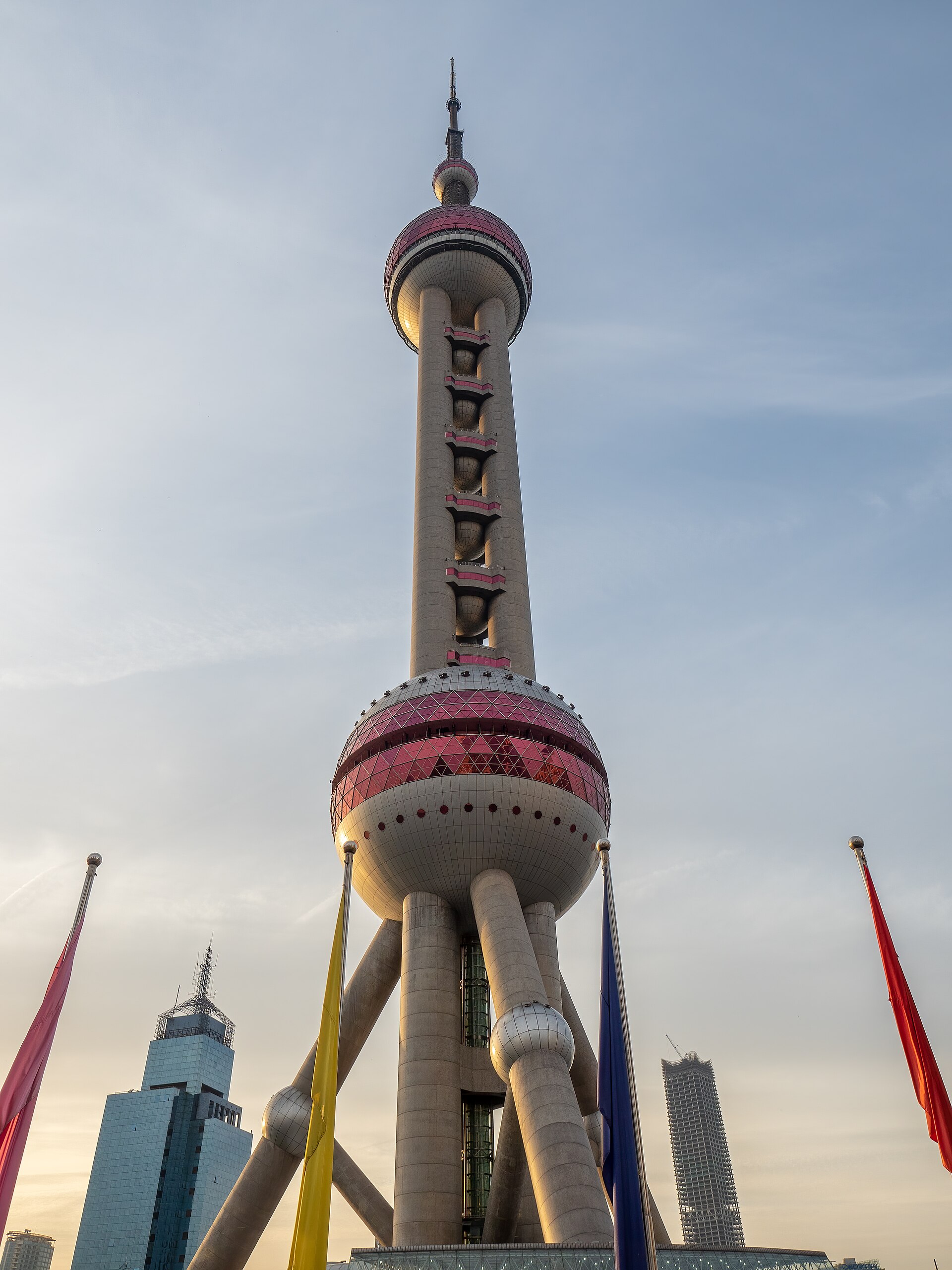
Observation culture as fear training
Glass floors and outdoor tower platforms are accidental exposure therapy. They teach wind at height, crowd behavior on decks, and the strange calm of seeing traffic as geometry.[2][4] For aspiring jumpers, a week of tower tourism can be better prep than a month of abstract pep talks - provided you do not confuse a railing with a harness system.
Use decks deliberately: stand near the edge longer each visit, practice slow breathing, notice what cues spike fear (wind noise, transparent floor panels, distance to horizon).
What “urban adventure” includes
Beyond classic bungy, urban adventure menus may include skywalks, controlled edge walks, drop towers, and other products that sell height with different physics.[3] Always separate categories in your head. A theme-park drop is not bungy; a glass walk is not freefall. Borrow confidence carefully across product types.
Where commercial bungy or swing products operate, demand the same transparency you would in New Zealand or South Africa: weight matching, redundant checks, clear briefings.[3][1]
City logistics and sensory load
Urban jump-adjacent days compete with noise, haze, and schedule density. Protect sleep, arrive early, and reduce errands before the platform. City fear can be socially amplified - more spectators, more cameras, more performance pressure.[4] Decide your media boundaries in advance.
Language-ready briefings matter. If you need translation, arrange it properly rather than nodding through safety steps you did not understand.
Reading the rise without hype
Not every tower will host freefall. Not every marketing render becomes an operating deck. The real story is cultural: vertical cities create vertical leisure, and a subset of that leisure becomes adventure sport.[2]
Mainland China’s observation decks are already world-class stages for the gaze. Urban adventure is what happens when travelers - and operators - ask what else a skyline edge can responsibly hold. Stay curious, stay procedural, and let the city earn your step rather than rush it.[1][3]
Photography rules on Chinese observation decks and adventure products can be strict for good reason - dropped objects become public hazards over live cities. Follow crew instructions about pockets, phones, and harnesses. Buy official media if personal cameras are limited; the skyline will still be yours in memory even if the file comes from a staff lens.[2][1]
Regional travel inside China can string multiple tower cities into a vertical tourism route, but jetting between megacities solely to stand on decks can flatten awe into sameness. Alternate urban height with parkland, water towns, or mountain day trips so your fear map stays textured.[3]
For international visitors, app-based transport, translation tools, and advance ticket booking reduce the ambient stress that otherwise piles onto platform nerves. Urban adventure is easier when the city itself feels navigable. Spend competence points on logistics early so courage points remain available at the edge.[4]
The rise of urban adventure decks is really a story about cities learning to play with their own height. Participate as a guest of engineering and crew culture - not as a free solo tourist of railings - and the skyline becomes a stage you stepped from on purpose, not only a backdrop you photographed through glass.
Sources
- Skypark Macau - high commercial bungy (regional flagship) (2026)
- Wikipedia - Observation deck (2025)
- Wikipedia - Bungee jumping (2025)
- Medical News Today - thrill-seeking psychology (2021)
Image credits
- Photo: Dmitry A. Mottl / Wikimedia Commons (CC BY-SA 4.0)
- Photo: Ermell / Wikimedia Commons (CC BY-SA 4.0)