Before the first guest arrives, the day has already started. A bungee jump master’s morning is less montage and more checklist: gear status, weather notes, staffing, and the quiet decision of whether the site opens at all.[1][3]
Dawn: systems before smiles
Platforms, anchors, cords matched to expected weight bands, rescue paths, radios, and media positions get attention while the gorge is still cool. Commercial bungy looks like theatre at 11 a.m.; it is maintenance culture at 7 a.m.[4][2]
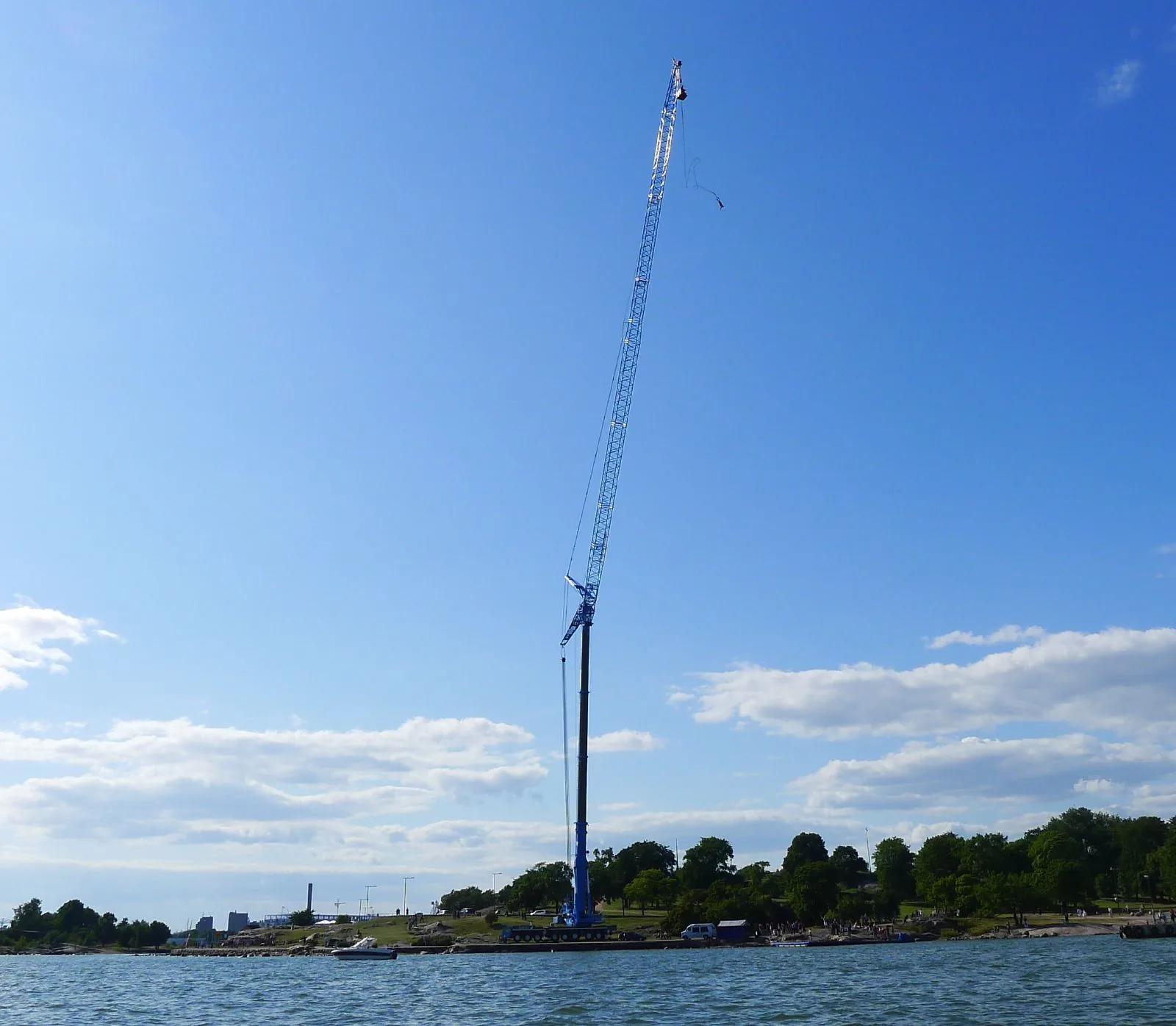
Briefings: teaching strangers a language
Each group needs the same truths in plain words: how weighing works, what the harness will feel like, where to look, what happens if you freeze, and when to stop talking and listen. Good jump masters adjust tone without adjusting standards - kids of adult age, nervous couples, and overconfident influencers all get the same physics.[1]
On the plank: coaching under time pressure
The public sees the countdown. The jump master sees weight confirmation, connection verification, body position, wind on the face, and the micro-signals of a guest about to lock up. Humor is a tool. Pressure is not. Pushing people off is not professional culture.[3][2]
When someone freezes, the job becomes patience with a clock running - inventory, weather windows, and the next guest still matter, but dignity matters more than throughput bragging rights.
Midday: weather and energy management
Wind picks up. A cord is rotated out of service. A guest discloses a medical detail that changes eligibility. The jump master coordinates with the wider crew, not as a lone hero but as a node in a safety system.[3]
They also manage their own adrenaline. All-day exposure to other people’s fear is emotional labor. The best stay warm without becoming numb.
Close: debrief and reset
Logs, equipment notes, guest incidents, and tomorrow’s forecast close the loop. The last leap of the day gets the same dual-check seriousness as the first. That consistency is the product travelers are actually buying under the brand name.[1][4]
What guests can do to help
Tell the truth about weight and health. Arrive sober. Listen. Save the speech for after. Thank the crew when a cancel keeps you safe. A jump master’s best days are not the ones with the most screams - they are the ones where every person who left the deck was ready, and every person who did not was respected.[2][3]
If you ever wear the headset yourself, you will learn that freefall is the short chapter. The long book is trust, built in small verified steps, repeated until sunset.
Sources
- AJ Hackett Bungy NZ - operations and guest journey (2026)
- Kawarau Bridge Bungy - platform experience context (2026)
- XINSURANCE - why crew competence defines risk (2023)
- Wikipedia - Bungee jumping (commercial practice overview) (2026)
Image credits
- Photo: Joshua Tree National Park / Wikimedia Commons (Public domain)
- Photo: Timo Newton-Syms from Helsinki, Finland and Chalfont St Giles, Bucks, UK / Wikimedia Commons (CC BY-SA 2.0)