First-person bungee stories rarely agree on scenery. They agree on sequence. Below are composite accounts drawn from patterns jumpers describe again and again at classic sites - river bridges, gorge decks, and border-spanning landmarks - shaped into voices that feel true to the first-time mind.[1][4]
“I thought I would be braver in the queue.” - Lena, 29
I was fine in the booking email. I was fine at breakfast. I stopped being fine when I saw the people ahead of me come back laughing too loudly. The wait is a theatre of coping styles: jokes, silence, sudden bathroom trips, over-researching the safety video. Staff weighed me and talked about medical conditions like it was ordinary paperwork, which somehow helped more than inspirational speeches.[1]
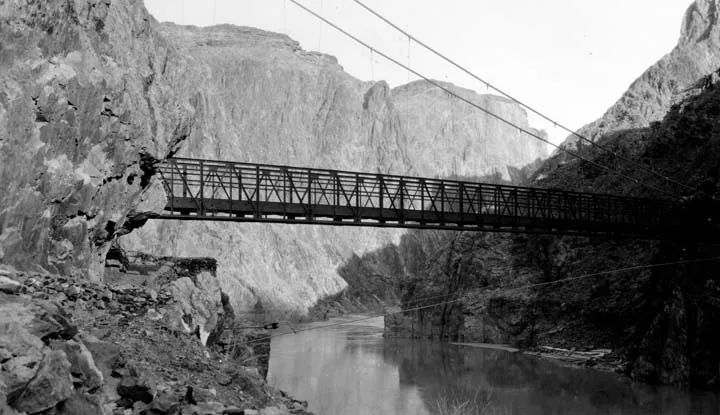
On the platform my hands went cold. Not movie cold - office cold, as if I had forgotten gloves in winter. Someone checked the harness again. I wanted them to check it a third time. They did the professional version of patience: not rushing me, not coddling me. When they said the countdown, I did not decide to jump so much as I ran out of reasons to stay.
“Freefall is shorter and louder than I expected.” - Marcus, 41
People talk about silence. My freefall was wind noise and a ridiculous yell I did not authorize. The river enlarged like a camera zoom with no off button. Then the cord took over - not a yank from a cartoon, more like the universe applying brakes with a rubbery authority. The rebound was the part nobody had prepared me for emotionally. Up is a different kind of surrender.
Afterward I could not stop narrating. My friends say I told the same thirty seconds twelve times. That tracks with what happens when your body dumps stress chemicals and then tries to file the memory in real time.[2][3]
“I almost backed out, and I’m glad they let me almost back out.” - Priya, 24
I asked to pause. Twice. Nobody shamed me. That is the detail I tell people who ask whether commercial bungy is a macho cult. At a good site, the product includes the right to hesitate. When I finally went, it was my choice on the third attempt, not a shove dressed as encouragement.[1]
The emotional high afterward felt like winning an argument with myself. It was not pure bliss. It was relief with glitter on top. An hour later I was hungry, shaky, and oddly gentle with strangers.
“The photo is not the point, but I’m glad it exists.” - Owen, 35
I bought the photo package because I knew my brain would edit the day. Looking at the stills later, I see a person I recognize and a person I do not. Midair face is pure animal. Post-jump face is someone who paid for a story and received a nervous system event. Both are accurate.
If you jump somewhere famous - a first commercial bridge in New Zealand, a spray-misted gorge near Victoria Falls - the landmark will try to steal the narrative.[1][4] Let it. Then notice the smaller memories: the smell of the harness, the exact sentence a crew member used, the way your knees negotiated stairs afterward.
What first-timers consistently underreport
They underreport logistics. Shoes. Hair ties. Who holds the wedding ring. How long the whole appointment takes. They underreport the social contract with friends: whether cheers help or hinder. They underreport the comedown - that the peak of an adrenaline response can be brief while the afterglow and fatigue stretch longer.[2][3]
They also underreport pride that is not swagger. Surviving a planned freefall is not combat. It is still a clean test of whether you can act while afraid. Many first-timers describe a quieter confidence for days: fewer catastrophic thoughts about ordinary risks, more willingness to book the next hard thing.
If you are about to become a first-person account
Write a sentence before you leave the ground about why you are there. Write another after recovery about what was true. Those two sentences will outlast the shout in the freefall video. And when someone asks what it felt like, you will have more to offer than “amazing” - you will have a beginning, a middle, and a body that remembers the edge.
Sources
- AJ Hackett Bungy NZ - Kawarau Bridge experience (2026)
- Medical News Today - adrenaline rush and aftermath (2021)
- Strong Viking - how long an adrenaline rush lasts (2024)
- Shearwater Bungee - Victoria Falls Bridge activities (2026)
Image credits
- Photo: Lorem Picsum / Unsplash photographers / picsum.photos (Unsplash License)
- Photo: Grand Canyon National Park / Wikimedia Commons (CC BY 2.0)