Desert and canyon bungee trades misty waterfalls for mineral color and huge sky. The freefall is the same elastic conversation with gravity; the theatre is different. Sound dies faster in dry air. Heat shimmers on the approach road. The drop looks infinite because there is no soft forest canopy to lie to your depth perception. Famous gorges get the posters. Quieter canyon decks get the people who like empty parking lots and long golden hours.
Some canyon icons are well known precisely because the geology is outrageous. Colorado’s Royal Gorge Bridge hangs roughly 955 feet above the Arkansas River - a textbook North American canyon span even when bungee operations are intermittent or event-based rather than a permanent daily product.[1][2] South Africa’s Bloukrans, at 216 metres, is a gorge jump with international fame and a long commercial run under Face Adrenalin.[3][4] Those sites teach the aesthetic: freefall framed by rock walls that make you feel small in a useful way.
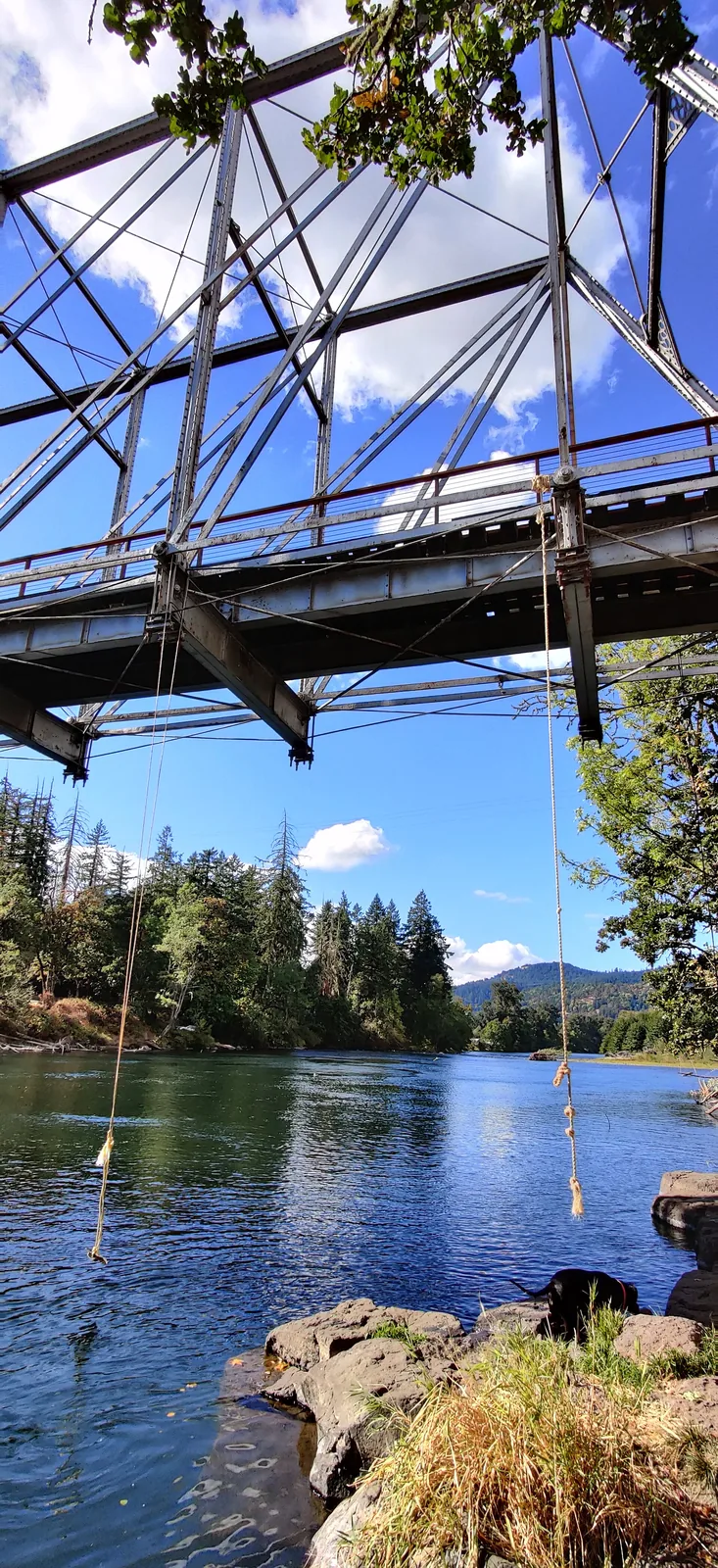
Lesser-known desert and canyon options tend to be regional - a municipal bridge with a seasonal permit, a private ranch platform, a crane over an arroyo during a festival, an adventure company that runs freefall one or two days a week for small groups. “Few people know” should never mean “unregulated.” The romance of secrecy dies quickly if equipment standards die with it. When you hunt obscure decks, raise your due diligence: insurance proof, staff training, dual connections, published weight limits, and a rescue plan that works in 40°C heat.
Heat is not a footnote. Dehydration amplifies anxiety and impairs judgment. Desert jump days demand water before you feel thirsty, electrolytes if you sweat heavily, sun sleeves, and a hat you can stash before the harness goes on. Platforms can become frying pans; shade is a safety tool. Dust fouls contact lenses and cameras. Ask operators how they manage metal surfaces and how often they halt for monsoonal microbursts or dust storms - desert weather flips faster than coastal drizzle.
Navigation can be part of the filter that keeps crowds down. Dirt roads, limited cell service, and meeting points described as “the third cattle gate” are common enough that you should download offline maps and share your plan with someone not on the trip. Arrive earlier than you think. Rushing on washboard roads before a freefall is how you arrive already spent.
Ethically, desert ecosystems are fragile. Stay on established tracks, pack out waste, and avoid operators who treat petroglyph zones or nesting cliffs as disposable scenery. Night jumps and drone swarms may look cinematic and still be a bad idea for wildlife and neighbours. The best canyon freefall companies act like guests of the geology.
If you want a first desert-canyon experience with a safety net of reputation, start with a documented classic gorge operation and learn the sensory language - then expand toward smaller regional decks with verified credentials. Measure “hidden gem” status by the quality of the briefing, not the obscurity of the Instagram geotag. The canyon does not care how unique your caption is. It only reflects whether you and the crew respected the drop.
Finding “few people know” sites without getting scammed takes a research method. Start with regional adventure forums, recent trip reports, and tourism board lists, then verify the operator’s legal name, insurance language, and contact responsiveness. A professional reply to a detailed safety email is worth more than a thousand cryptic Instagram DMs. If the only way to book is cash in a parking lot with no waiver and no scale, you have not found a hidden gem. You have found a future incident report.
Photography ethics matter in empty canyons. Drones can harass wildlife and other guests; hanging off unauthorized railings for a shot is how people become statistics unrelated to the cord. Ask what the operator allows. Shoot less, look more. Desert light will do half the work if you give it time. Early morning jumps often mean calmer wind and kinder temperatures - a practical reason to wake up that is not merely aesthetic, though the photos will not complain either.
Carry a humble emergency kit even when the company is competent: personal medications, electrolytes, a headlamp if your return could slip past dusk, and a charged power bank. Tell someone not on the trip your itinerary. Canyon country punishes assumptions. The reward for doing the boring prep is a freefall framed by stone and sky that still feels like a secret - not because it was reckless, but because most people never bother to earn it properly with patience and proof.
Sources
- Royal Gorge Bridge - canyon setting (2026)
- Wikipedia - Royal Gorge Bridge height (2025)
- Bloukrans Bridge Bungy - gorge classic (2025)
- Face Adrenalin - Bloukrans Bungy (2026)
Image credits
- Photo: Nick Smith / Wikimedia Commons (CC BY-SA 2.0)
- Photo: Tyrone Madera / Wikimedia Commons (CC BY-SA 4.0)